How to go interstellar
The longtermist way of spreading consciousness through the galaxy
Interstellar distances are mind-bogglingly large, so large that it's almost impossible for our brains to even wrap around them. Just a trip to our nearest star would take about 6,600 years at the record speed of NASA's Parker Solar Probe, the fastest spacecraft we've ever built, let alone colonizing the entire galaxy. And unfortunately, the nearest systems to us, like Alpha Centauri and Proxima, are likely inhospitable for the same reasons we might not find another Earth within a 30 light-year radius: super flares and sterile multi-sun star systems.
Our Milky Way galaxy is around 80-100 thousand light-years across and contains around 400 billion star systems. That means there is likely an ocean of potential new homes out there. The “only problem” is crossing the vast abyss of interstellar space.
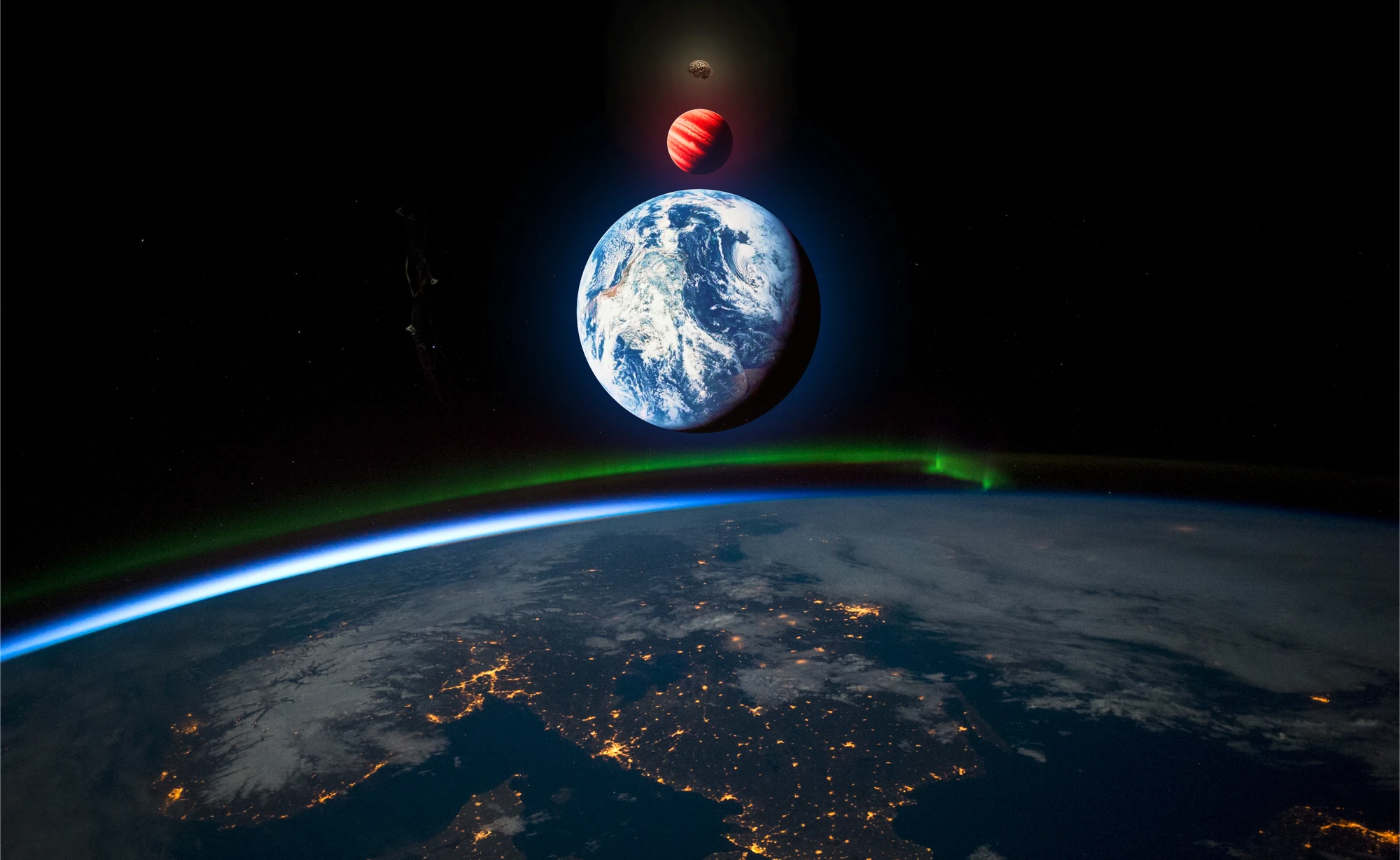
While we're used to seeing interstellar travel in science fiction, our current understanding of physics simply doesn't allow us to reduce the duration of these trips. Robin Hanson, who proposed the Great Filter, listed the difficulty of interstellar flight as one thing that might prevent galactic civilizations from developing. But what if we were to embrace sub-light travel? What if we take a long-term view on galactic colonization?
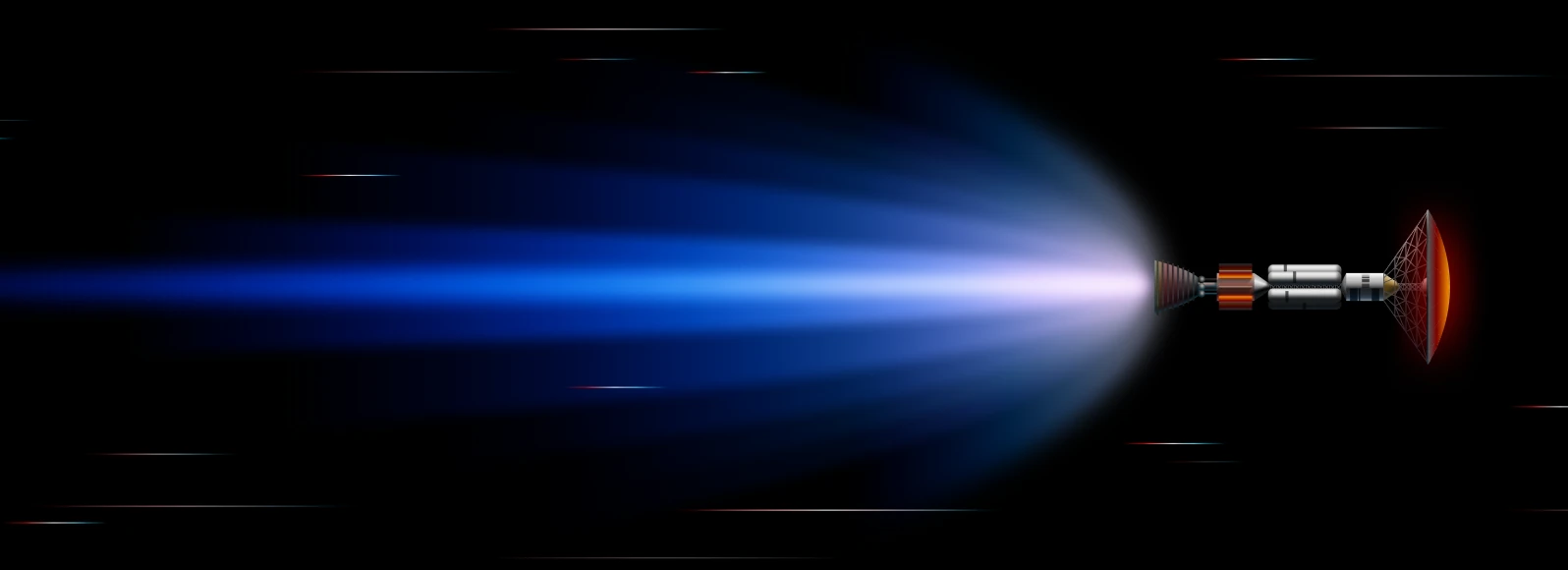
Turns out, there are already many designs for sub-light ships floating around. These ships would, however, not be able to send living adult humans due to the mass budget being too high. Instead, we might consider a way of bringing the least amount of mass possible. One recently proposed interstellar ship, by the Breakthrough Starshot Project, would consist simply of a single chip propelled by overpowered lasers.

But what if we took this idea a step further and considered sending just human consciousness to another world? Let's merge two ideas: the Von Neumann interstellar self-replicator and the Breakthrough laser.
The mind-ship
Here's how we could send our consciousness across the galaxy. A sub-light craft carrying self-replicating machinery would be deployed from Earth to a nearby star system. On approach, it would turn retrograde and start decelerating until it reached the new star system's asteroid belt. The sub-light ship would then attempt to find a 16 Psyche analog planetoid, as these would be excellent sources of metal.
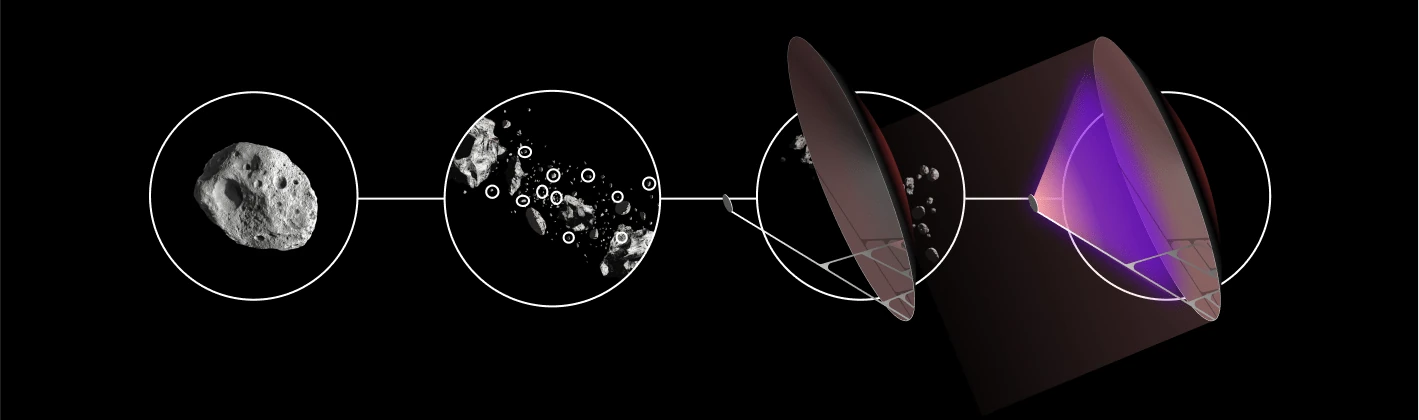
A small cluster of Von Neumann replicator bots would be deployed, the planetoid would be mined, and the cluster would build a large high-gain antenna and a series of factories. After finishing the antenna, a transmission would be sent back to Earth, indicating the mission was successful.
At the speed of light, the transmission would reach Earth, which would trigger an automated action: the transmission of a snapshot of all human consciousnesses at that time. The transmission would then reach the Von Neumann cluster, which was already constructing robotic bodies and ships from the metal planetoids.
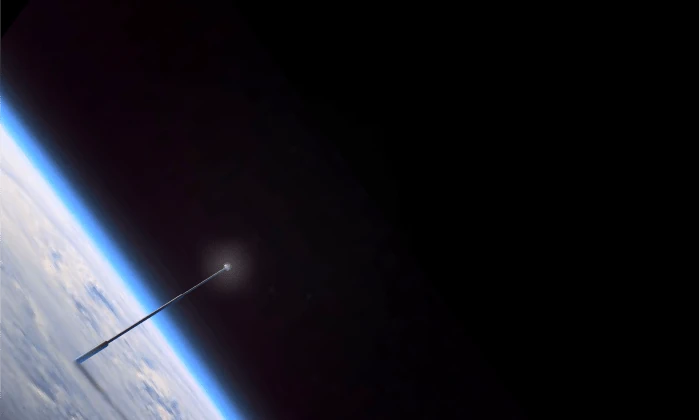
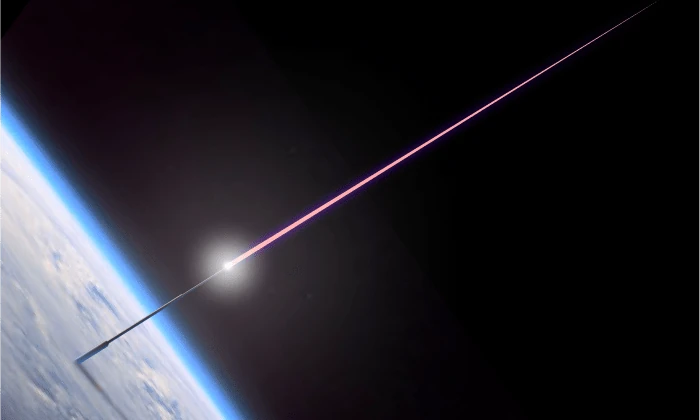
And then, the cycle would repeat. A new sub-light ship and super laser would be developed and launched to the next system, and so on. According to the Von Neumann probes theory, the colonization of the whole galaxy could happen in over half a million years.
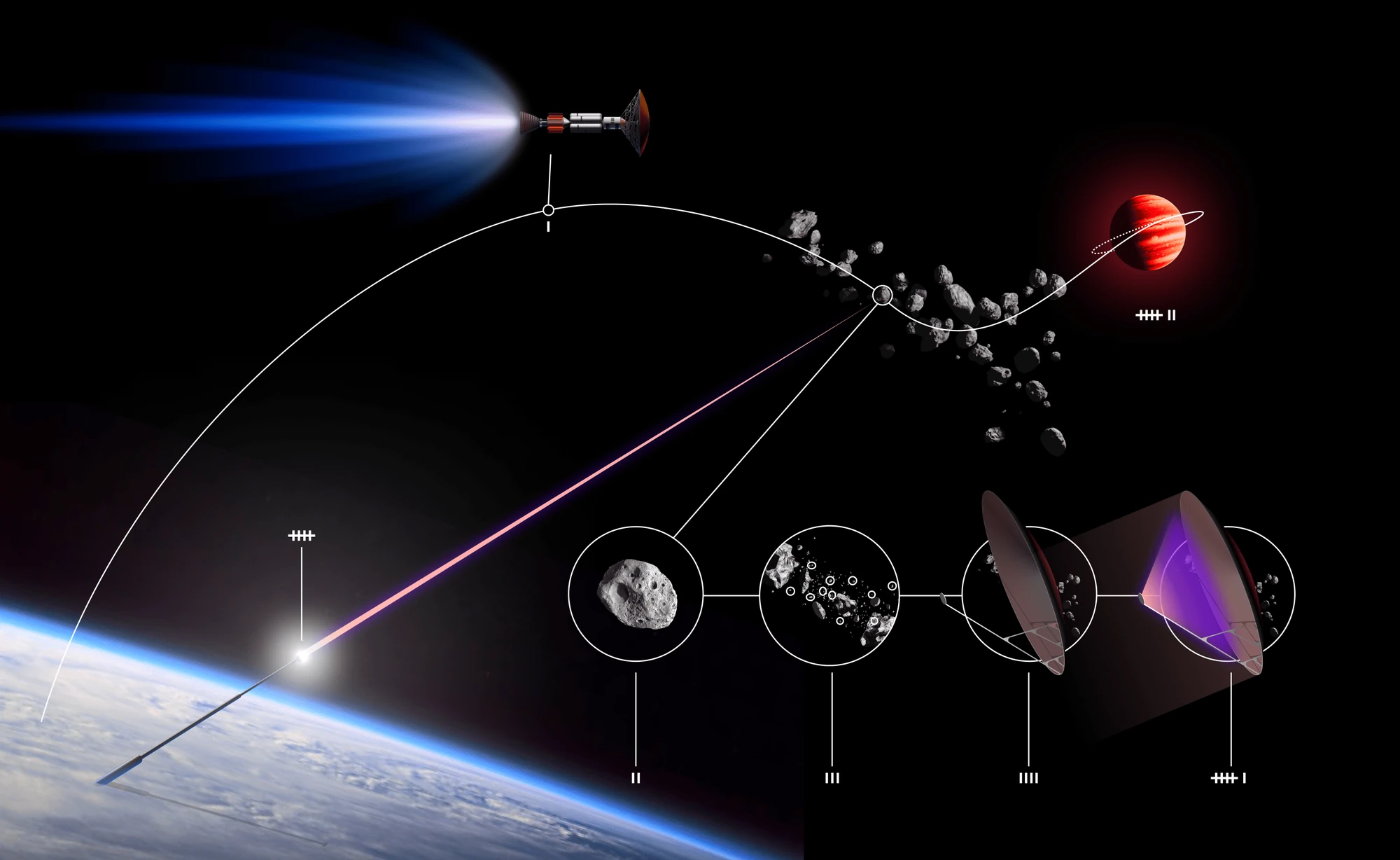
Half a million years might seem like a long time to us, but on a cosmic scale it is a drop in the ocean. Human consciousness would travel to and colonize new worlds, all while humanity would continue living their lives on Earth. A literal interstellar copy-paste.
The ideas of sub-light travel and sending human consciousness across the depths might seem far-fetched, but they are not entirely out of the realm of possibility. And even if we can't achieve it in our lifetime, it's still worth considering and exploring. Who knows what kind of advances in technology and science we might make in the next few centuries that could bring us closer to achieving this goal?
There are also ethical and philosophical questions. Once the consciousnesses are transmitted, how would they exist in the new world? Would they be able to interact with their surroundings in the same way that we do on Earth?
The opportunity is to expand our reach beyond our own solar system and potentially find new homes for humanity.
Written in January 2023. In 2026 I corrected the time to the nearest star: the original said hundreds of thousands of years, and at the Parker Solar Probe’s top speed, reached close to the Sun in December 2024, it is about 6,600. My series How to go interstellar? returns to this question, with the destinations measured.
References
- Freitas, R. A. (1980). "A Self-Reproducing Interstellar Probe". Journal of the British Interplanetary Society, 33, 251–264. rfreitas.com
- Borgue, O. and Hein, A. M. (2021). "Near-Term Self-Replicating Probes: A Concept Design". Acta Astronautica. doi:10.1016/j.actaastro.2021.03.004, arXiv:2005.12303
- Breakthrough Starshot, Breakthrough Initiatives. breakthroughinitiatives.org
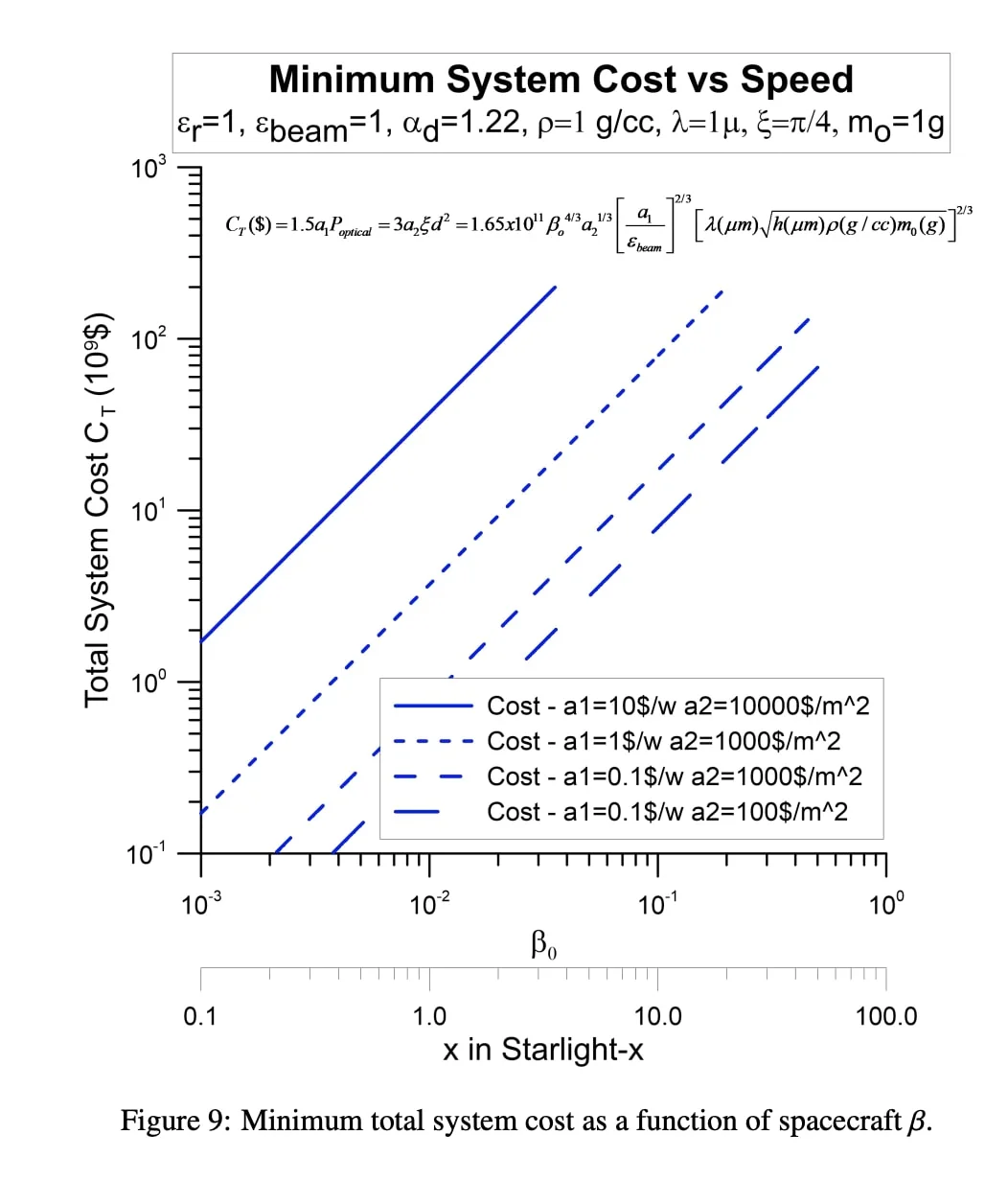
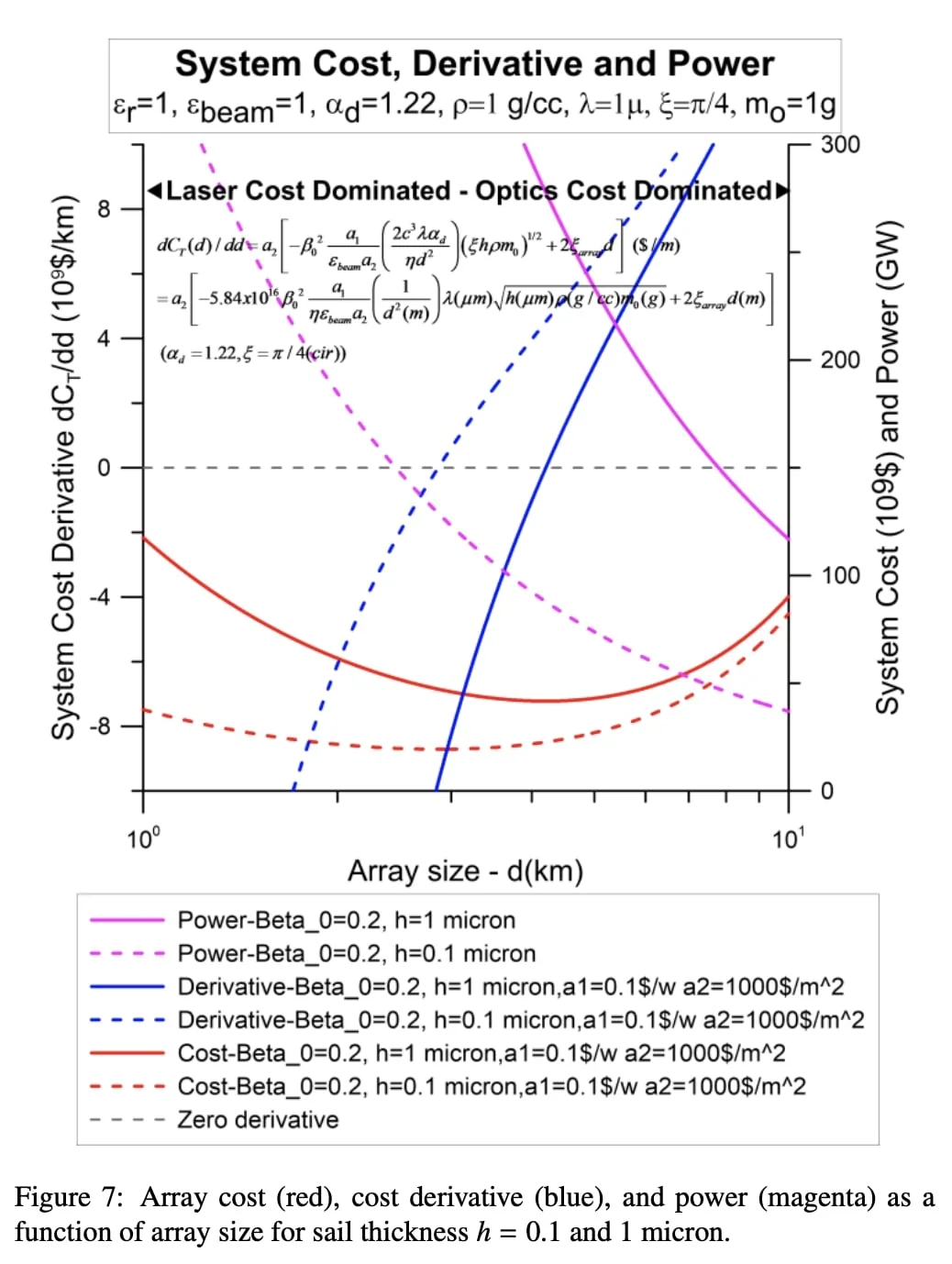
- Lubin, P. (2016). "A Roadmap to Interstellar Flight". Journal of the British Interplanetary Society, 69, 40–72. arXiv:1604.01356. The two charts above are its Figures 9 and 7.
- Brian Wang, "Technology to Make Interstellar Missions Possible and Affordable", NextBigFuture, 16 August 2022, where the charts were reproduced. nextbigfuture.com