Backyard science
What a small telescope in Lisbon can measure: asteroids traced across a night, a comet signal found in a stack, an eclipse held still, and the reports that show the work.
These are observations made from Lisbon, most of them with a Seestar S50, and the analysis that follows each one. Every entry is a report: what was captured, what the measurements support, and, just as carefully, what they do not. A prediction from a catalogue is never counted as a detection, a pretty image is never used for photometry, and nothing here is a discovery claim.
The workflow behind it seals every raw frame by hash before analysis begins, keeps each science run isolated, and publishes only runs that passed a science and presentation review. The films and the phone-shaped pages under each report are the publications those runs produced.
The map at the bottom plots the nearest star systems to real coordinates.
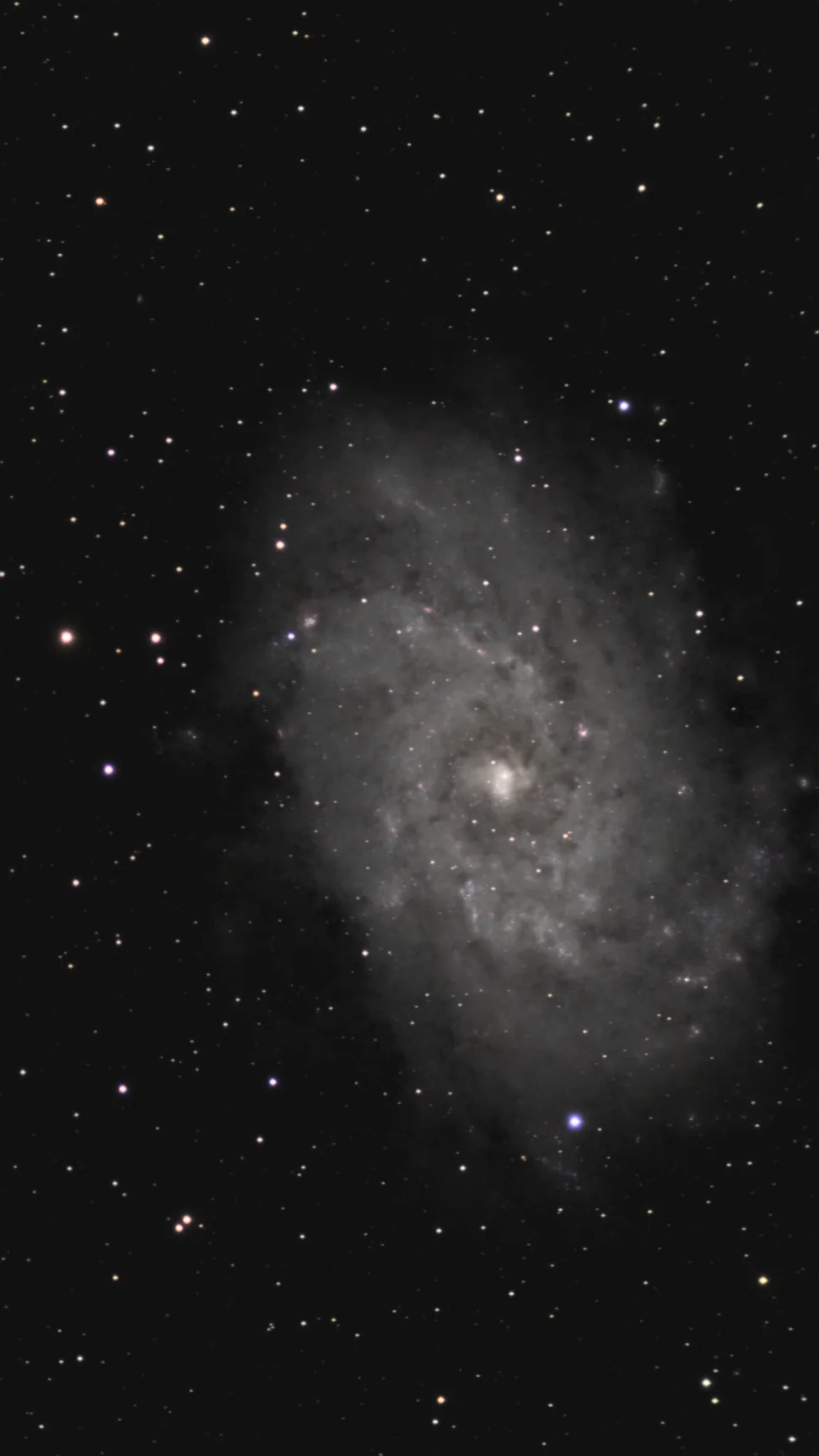
- 22 Aug 2026M33: what one night supportsFifty-two minutes on the Triangulum Galaxy, 22 August 2026, and the tests that separate what the image shows from what the data proveM33, NGC 604, NGC 595, NGC 588, IC 132, IC 133 · Seestar S50
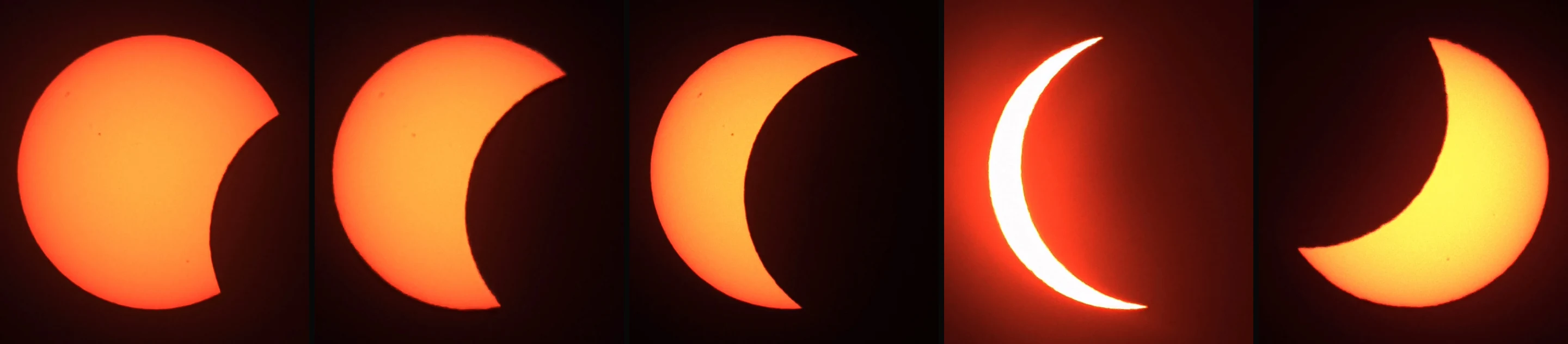
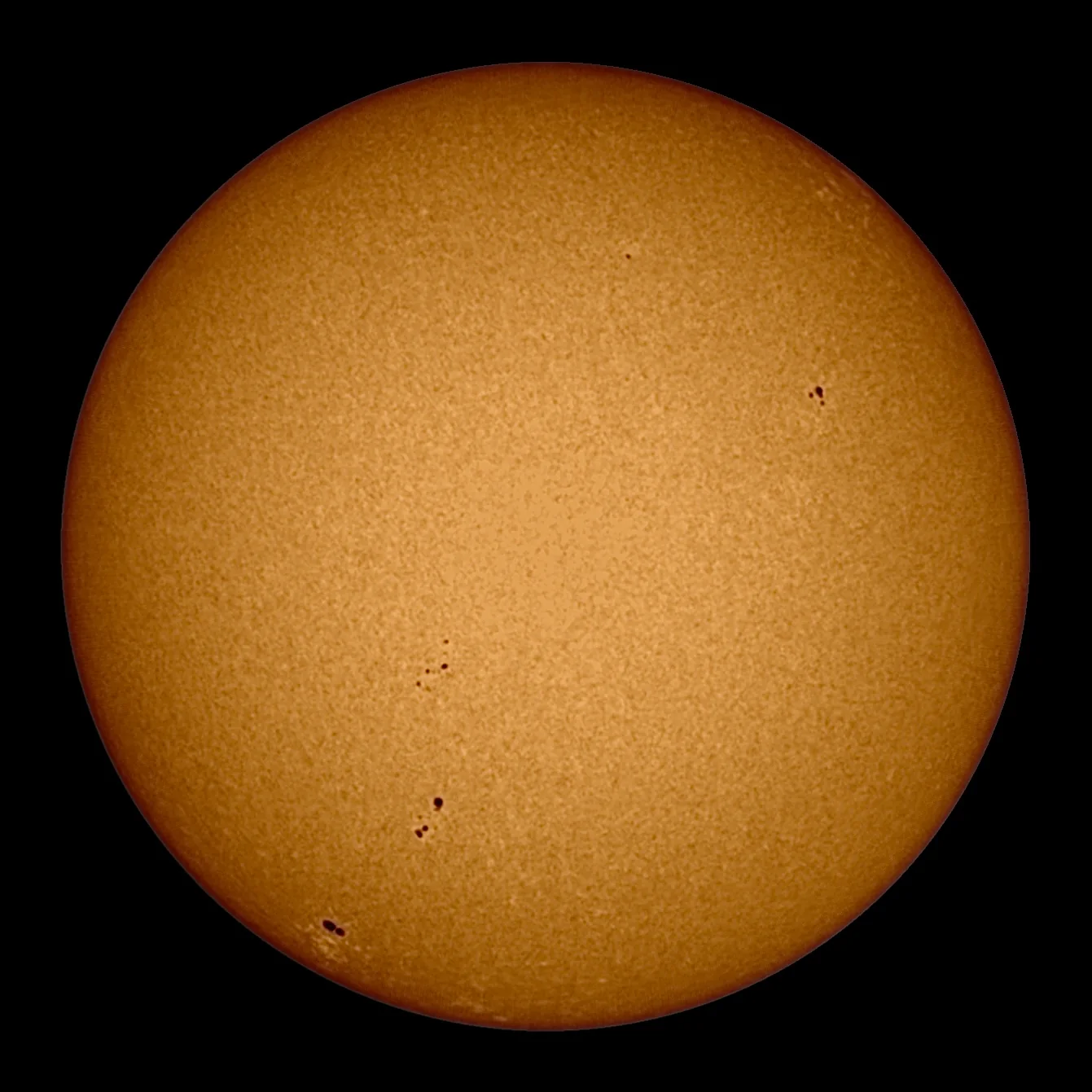
- 12 Aug 2026The partial solar eclipse of 12 August 2026, held stillEvery recorded frame matched to the JPL ephemeris, so the Sun stays fixed and the Moon crosses it: films from the raw frames and from the camera's own timelapse, and the Moon's map projected onto the recordingSun, Moon · Seestar S50
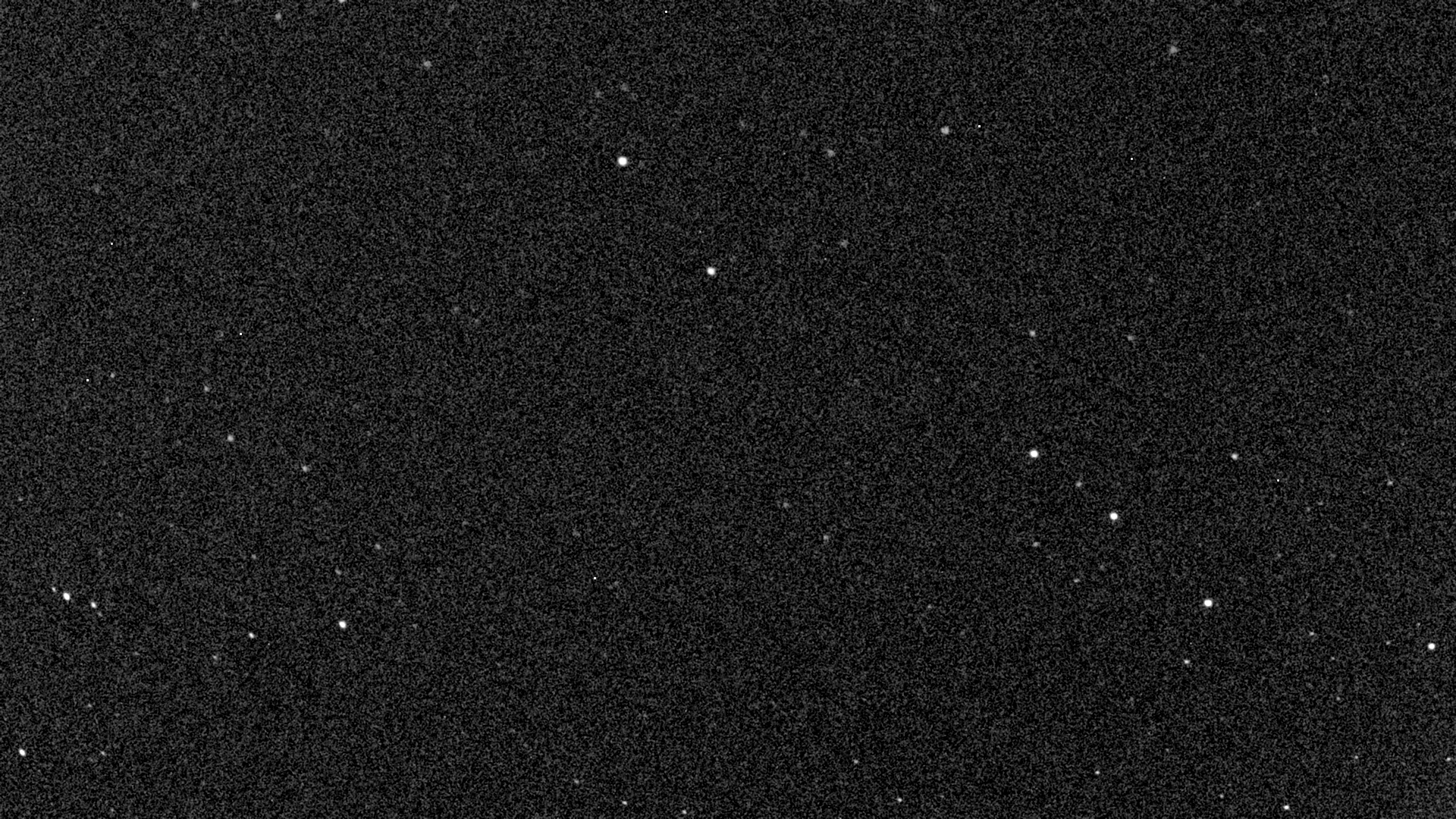
- 27 Jul 2026Three nights of moving objects25 to 28 July 2026: four known asteroids recovered where they were predicted, a comet signal found in a stack, another comet left uncertain, and six searches that found nothing(714) Ulula, (3) Juno, (18) Melpomene, 169P/NEAT, (397) Vienna, C/2024 J3 (ATLAS) · Seestar S50
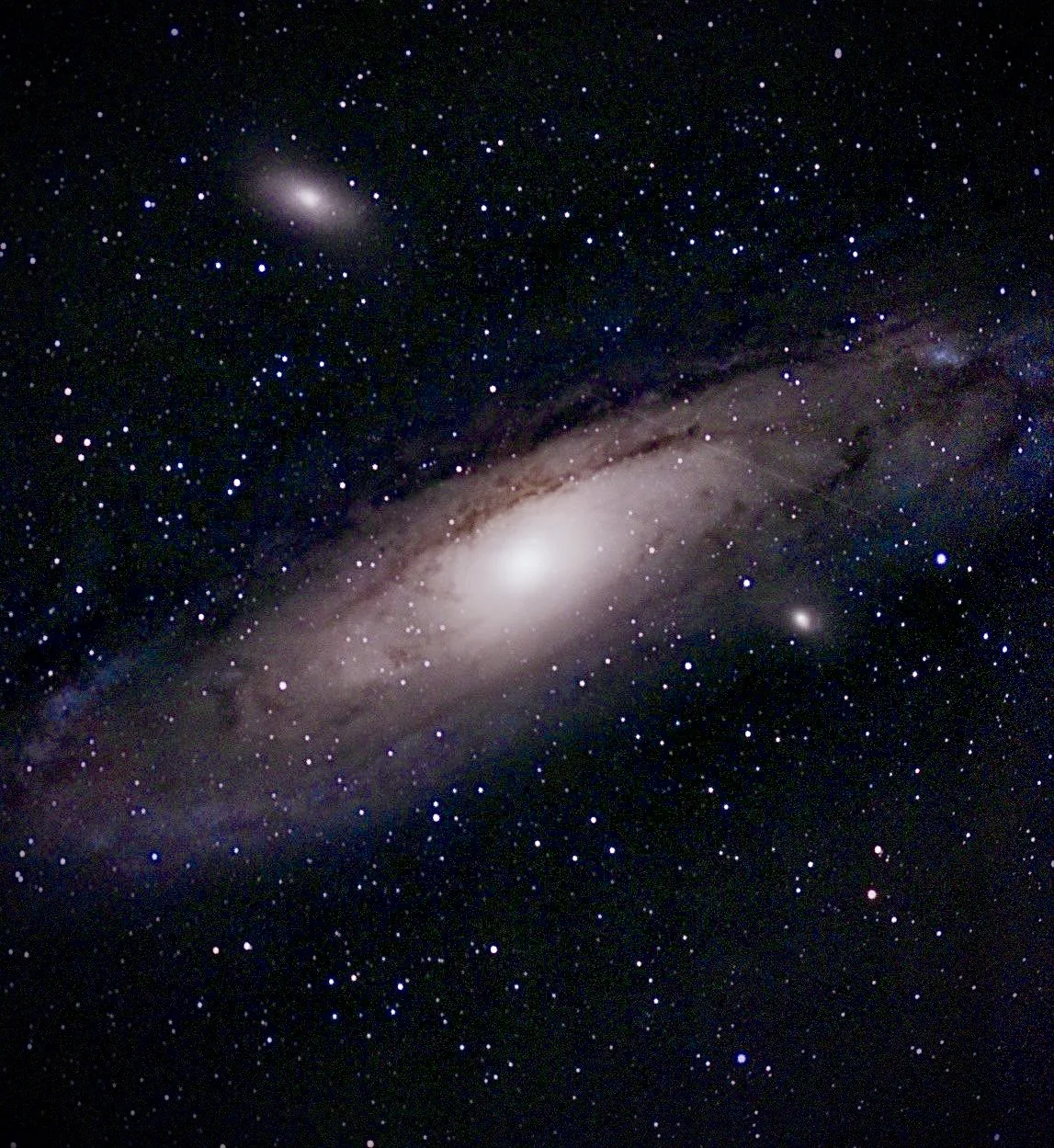
- 25 Jul 2026What an edited photograph of Andromeda can and cannot proveAn audit of one 25 July 2026 image: exact pixel identity, a field-scale sky solution, 77 Gaia stars, and the claims that had to be withdrawnM31, M32, M110, NGC 206 · Seestar S50
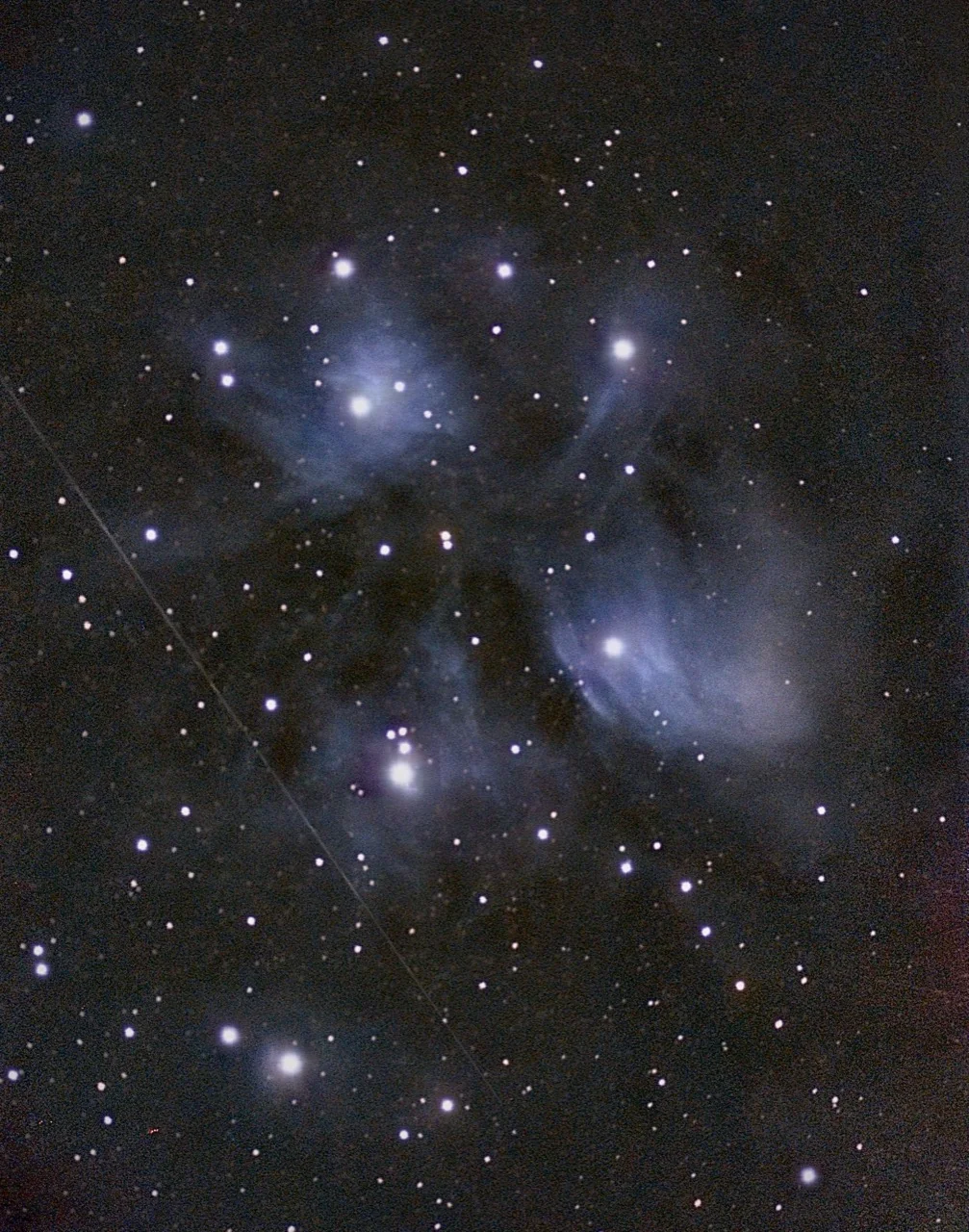
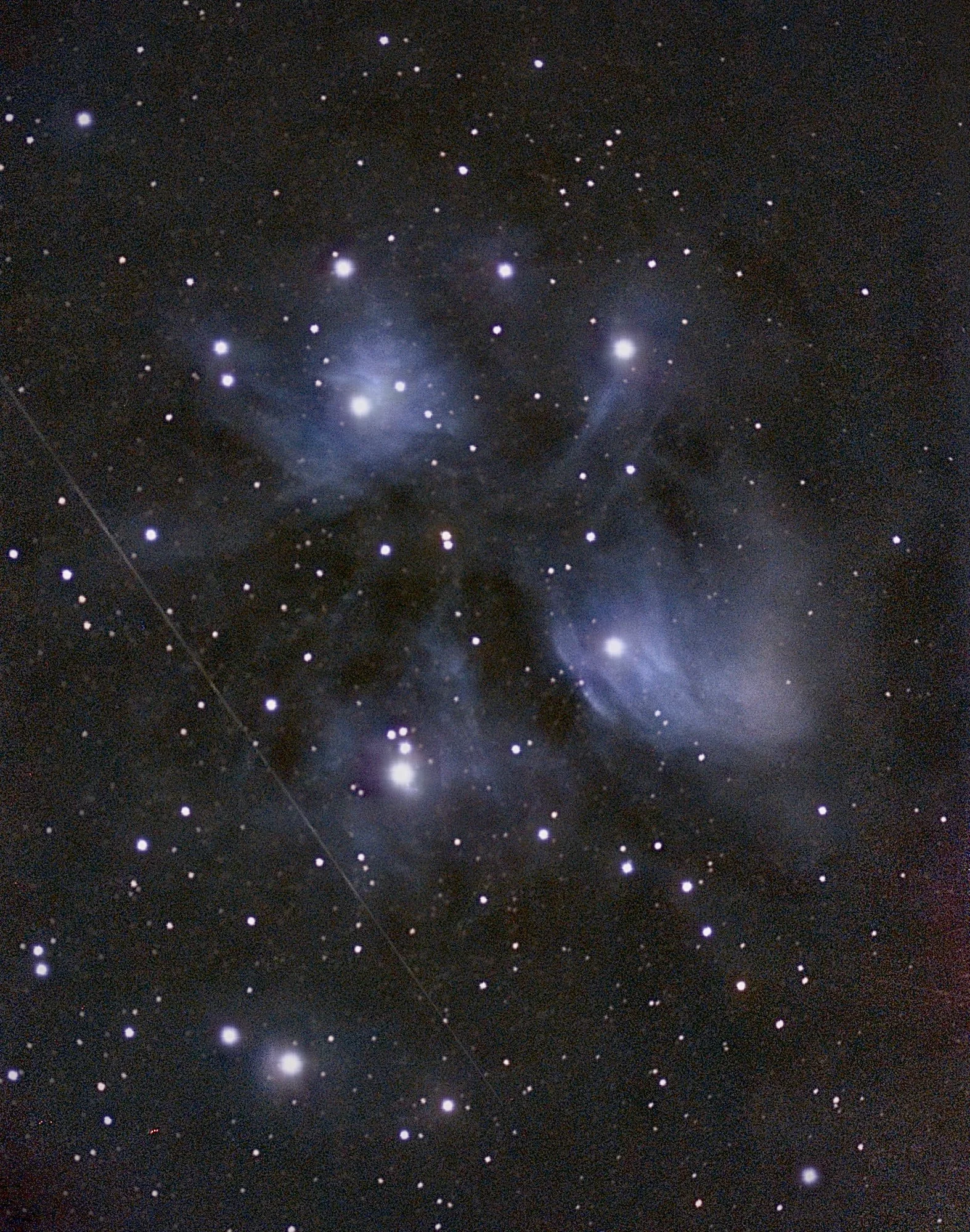
- 25 Jul 2026(714) Ulula, from three exposures to the scale of PortugalA 41-kilometre asteroid caught crossing the Pleiades field on 25 July 2026, measured in three solved frames, placed on its orbit and set down over the map(714) Ulula, M45 · Seestar S50
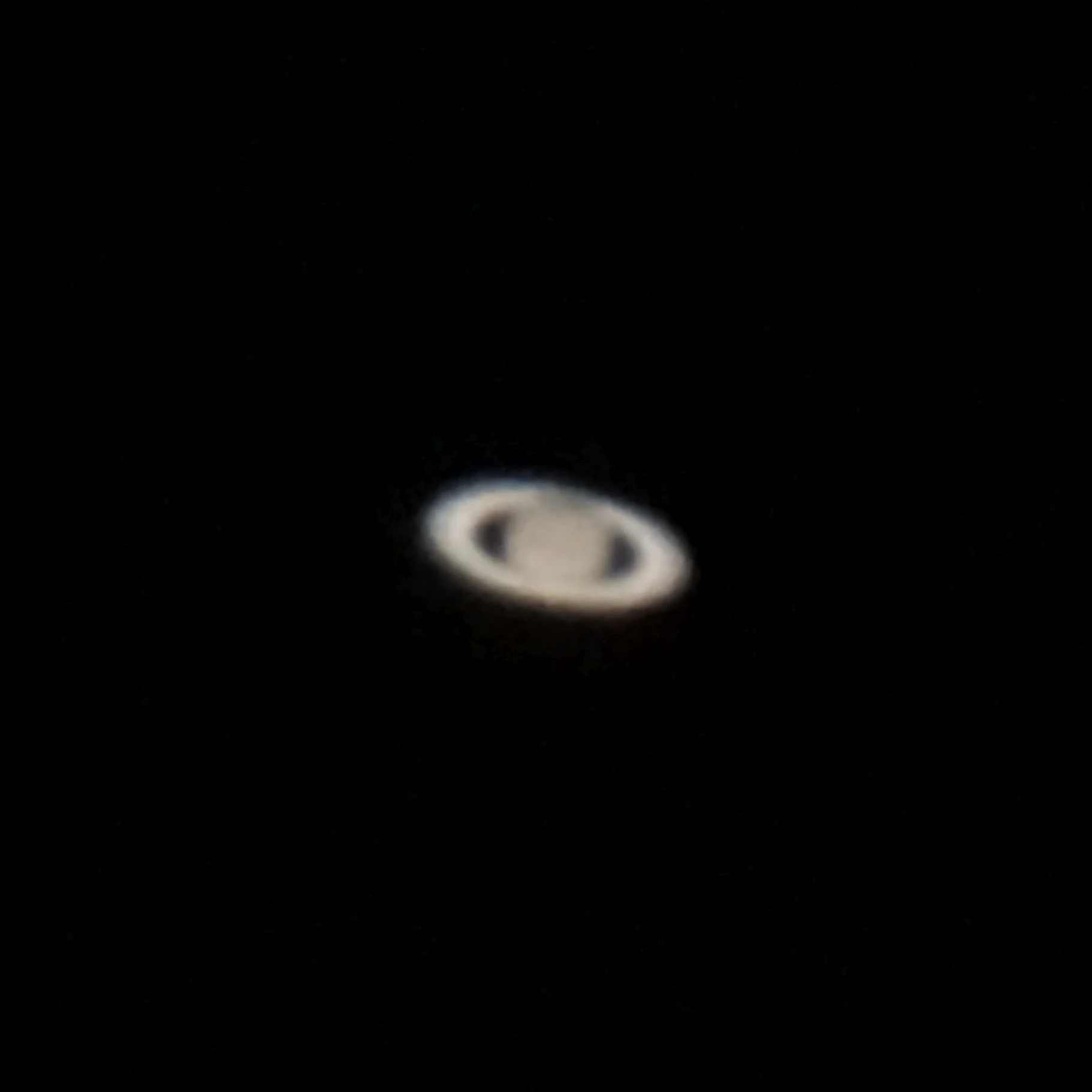
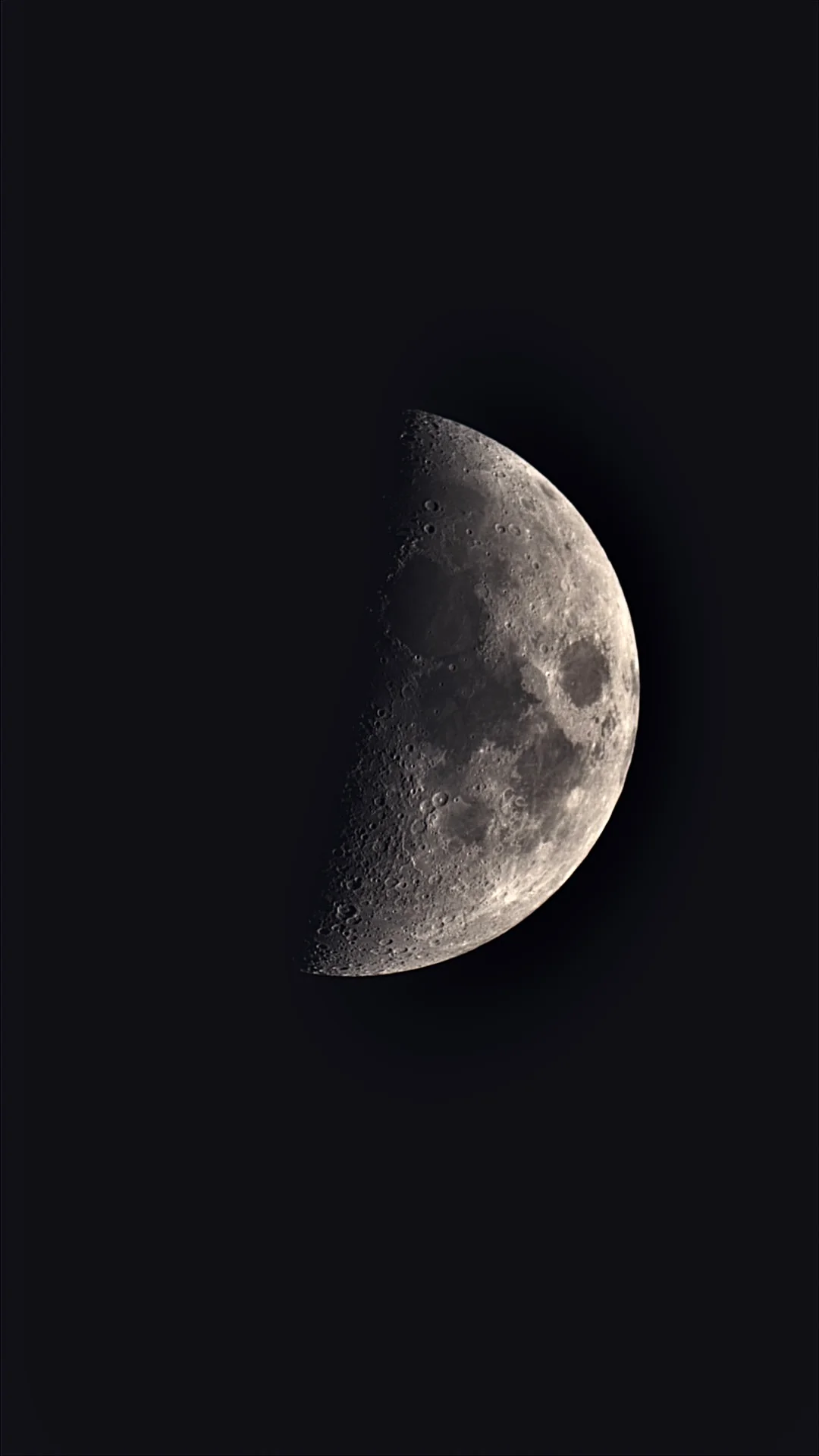
- 17 Oct 2023Planets and the MoonThrough a Meade ETX90, with an iPhone XR held to the eyepieceMoon, Jupiter, Saturn, Mars · Meade ETX90 and an iPhone XR
- Proxima Centauri, 4.24 light-years
- α Centauri, 4.34 light-years
- Barnard's Star, 5.96 light-years
- Luhman 16, 6.51 light-years
- WISE 0855−0714, 7.43 light-years
- Wolf 359, 7.86 light-years
- Lalande 21185, 8.3 light-years
- Sirius, 8.71 light-years
- Luyten 726-8, 8.77 light-years
- Ross 154, 9.71 light-years
- Ross 248, 10.31 light-years
- ε Eridani, 10.47 light-years
- Lacaille 9352, 10.72 light-years
- Ross 128, 11.01 light-years
- EZ Aquarii, 11.11 light-years
- 61 Cygni, 11.4 light-years
- Procyon, 11.46 light-years
- Struve 2398, 11.49 light-years
- Groombridge 34, 11.62 light-years
- DX Cancri, 11.68 light-years
- ε Indi, 11.87 light-years
- τ Ceti, 11.91 light-years
- GJ 1061, 11.98 light-years
- YZ Ceti, 12.12 light-years
- Luyten's Star, 12.35 light-years
- Teegarden's Star, 12.5 light-years
- Kapteyn's Star, 12.83 light-years
- Lacaille 8760, 12.95 light-years
- Kruger 60, 13.07 light-years
- SCR 1845−6357, 13.06 light-years
- DEN 1048−3956, 13.19 light-years
- Wolf 1061, 14.05 light-years
- Van Maanen's star, 14.07 light-years
- Gliese 1, 14.17 light-years
- Wolf 424, 14.6 light-years
- TZ Arietis, 14.58 light-years
- Gliese 687, 14.84 light-years
- LHS 292, 14.87 light-years
- Gliese 674, 14.85 light-years
- GJ 1245, 15.2 light-years
- Gliese 440, 15.12 light-years
- Gliese 876, 15.24 light-years
- GJ 1002, 15.81 light-years
- LHS 288, 15.76 light-years
- Gliese 412, 16 light-years
- Groombridge 1618, 15.89 light-years
- Gliese 832, 16.2 light-years
- AD Leonis, 16.19 light-years
- 70 Ophiuchi, 16.6 light-years
- Ross 614, 13.36 light-years
- UGPS J0722−0540, 13.43 light-years
- WISE 1741+2553, 15.22 light-years
- WISE 1639−6847, 15.34 light-years
- DENIS 0255−4700, 15.88 light-years
- Gliese 682, 16.33 light-years
- ο² Eridani, 16.33 light-years
- EV Lacertae, 16.48 light-years
- Altair, 16.73 light-years