
The great inversion
How scalable down-mass capabilities will change the face of space travel
Since the first crewed landing on the Moon in 1969, we've seen the development of reusable rockets, the growth of private space companies, and the establishment of the International Space Station as a hub for scientific research.
But one area that has yet to be fully explored is the potential for scalable down-mass capabilities in space travel. Scalable down-mass means transporting not just people and payloads but also resources and materials from space back to Earth and doing it in a way that can operate as efficiently as today's SpaceX rockets.
Currently, the vast majority of what we send into space stays there. This is partly due to the high cost and energy required to launch objects into orbit. It's also because we don't yet have the technology to safely and efficiently bring large quantities of material back down to the surface.
But as we look to the future of space exploration, down-mass capabilities could matter in four ways:
- Sustainability in space: One of the biggest challenges of long-term space missions is resupply: food, water and other consumables, as well as spare parts and equipment for repairs. Being able to bring things back as well as send them up reduces the cost of each mission. This makes it possible to sustain larger and longer-term settlements in space.
- Utilizing space resources: Several resources available in space could be valuable for use on Earth. For example, the Moon and asteroids contain a wealth of rare minerals and materials that could be used for everything from construction to medicine. With down-mass capabilities, we could potentially mine these resources and bring them back to Earth for use.
- Supporting space industries: As we expand our presence in space, we'll likely see the growth of new initiatives in orbit. Manufacturing in orbit, for example, could take advantage of the conditions and resources available there. With down-mass capabilities, we could transport the finished products back to Earth for sale.
- Reducing space debris: One of the significant challenges of space exploration is the issue of space debris. There are millions of pieces of debris orbiting Earth, and this poses a risk to both manned and unmanned missions. By bringing materials back to Earth, we can potentially reduce the amount of debris in orbit.

Use-cases for building the Amazon Prime of space
So how do we achieve down-mass capabilities? A few approaches are being explored:
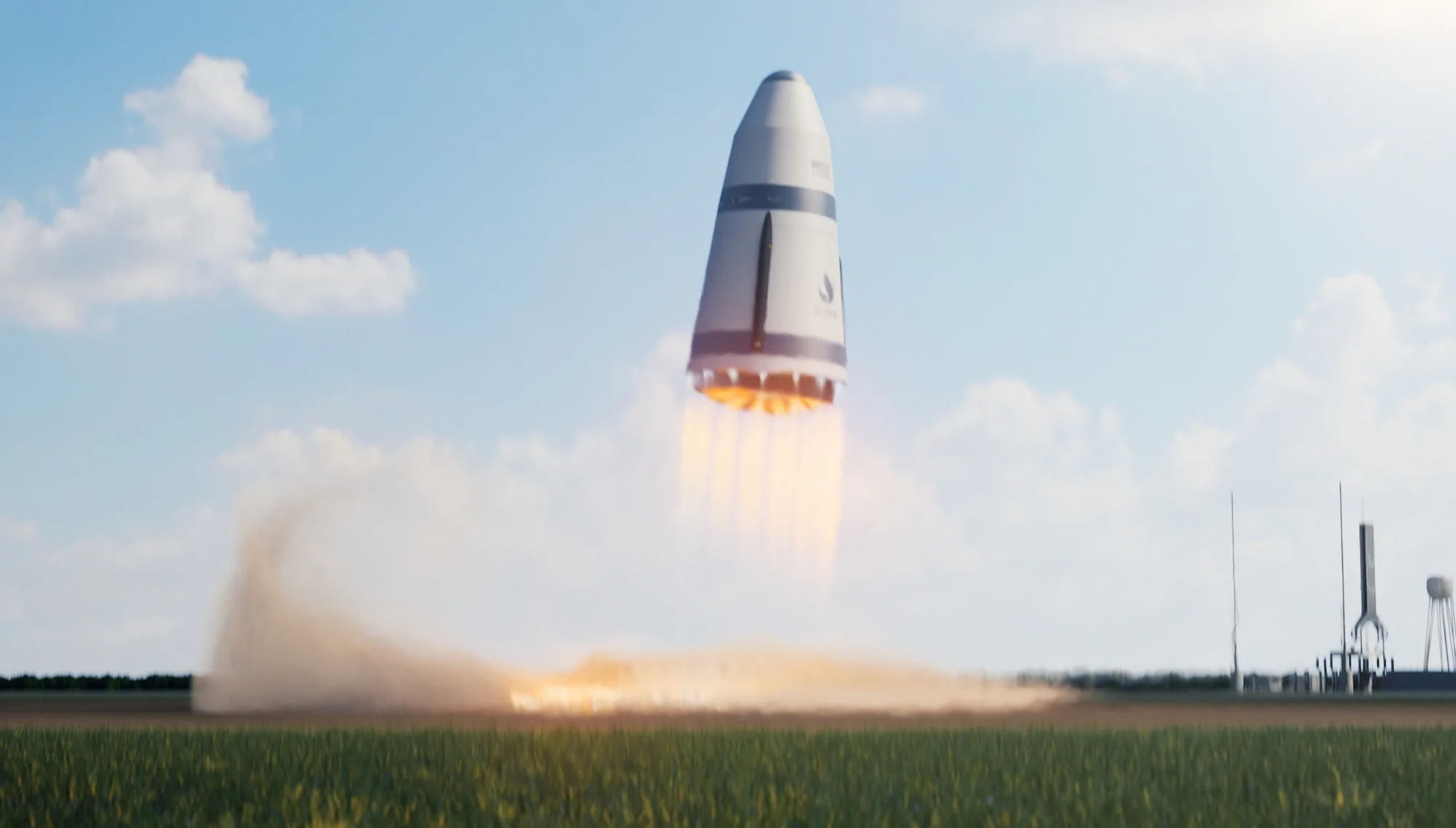
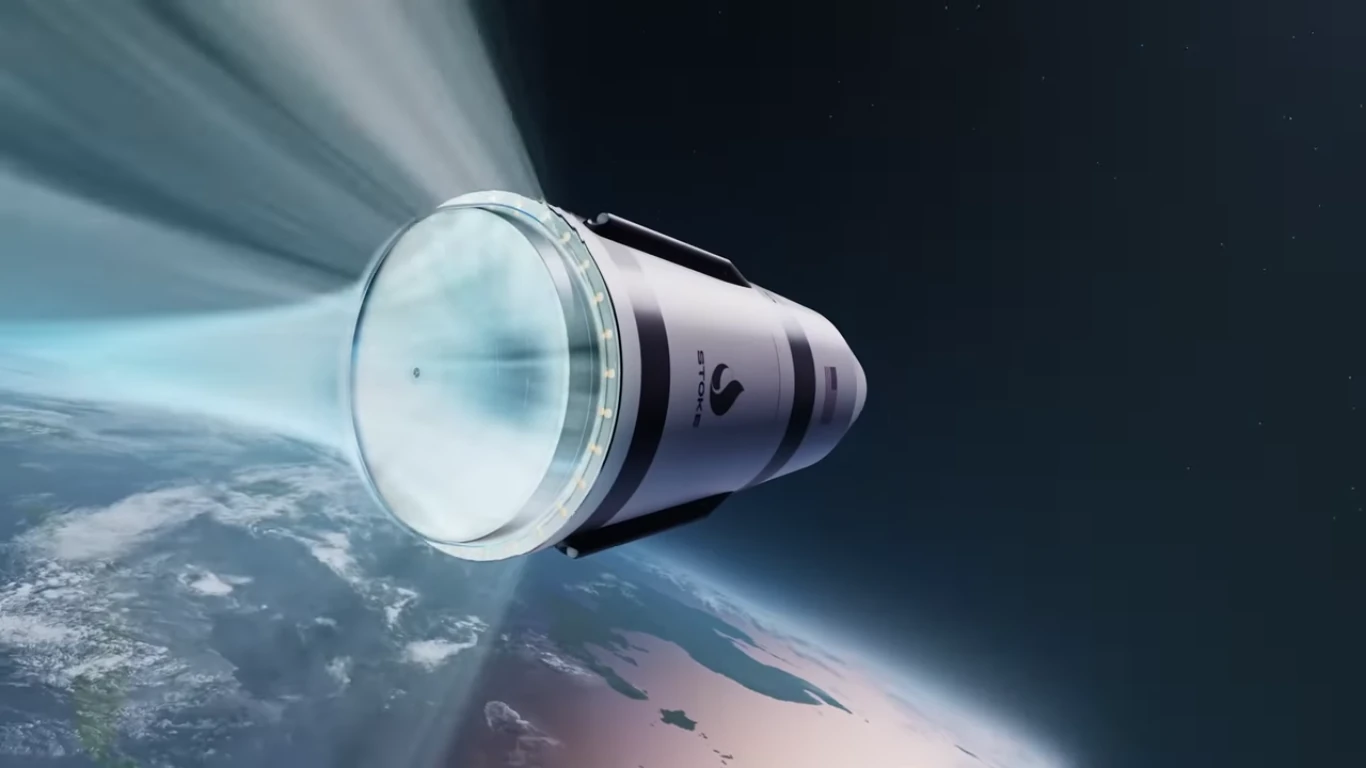
- Reusable upper stages: The upper stages of rockets are responsible for delivering payloads to their final destinations in space. Making these stages reusable allows us to bring cargo and materials back to Earth more efficiently. Companies like SpaceX and Stoke Space are developing reusable upper stages, and this technology could be a critical step toward down-mass capabilities.
- In-space manufacturing: Another approach being explored is in-space manufacturing. This involves using materials and resources available in space to create new products and components. For example, we could use 3D printing to produce spare parts for spacecraft or build structures in orbit. By manufacturing in space, we can reduce the need to transport materials from Earth and potentially pave the way for down-mass capabilities.
- Sample return: Asteroids and moons can provide resources for space travel. These celestial bodies are rich in various minerals and materials and could be mined for use on Earth or in space. While this technology is still in the early stages, companies like Astro Forge are working on developing the necessary technologies to mine asteroids for their valuable resources.
- Space station down-mass: Another approach being explored is using space stations as hubs for down-mass capabilities. These structures could serve as a waypoint for research payloads and space-products on their way back to Earth. Using space stations as a stopover point, we can potentially reduce the fuel and energy needed to return materials to the surface.
| Down-Mass Application | Market Opportunities | Problem Being Solved | Customer Examples |
|---|---|---|---|
| Resource extraction | Mining rare minerals and materials from celestial bodies for use on Earth | Sample return missions for science and technology development. | Space mining companies, space agencies |
| In-space manufacturing | Creating products and components using materials and resources available in space | Production of special application products in microgravity. These space-made products can be brought down to Earth or sold to the space economy in orbit. | Manufacturing companies, space agencies |
| Space debris removal | Removing debris from orbit to prevent collisions and reduce risk to spacecraft | Growing amount of debris in orbit poses a risk to manned and unmanned missions | Space agencies, satellite operators, Space DoD (Department of Defense) |
| Space station down-mass | Transporting mass from space stations | On-demand return from space of cargo and science | Private space stations, space agencies |
| “Just in time” orbital delivery | Transporting mass from LEO anywhere on Earth’s surface | Precision landing of special assets in short time. Applications range from disaster relief to military/defense logistics | Governments, space agencies, space DoD |
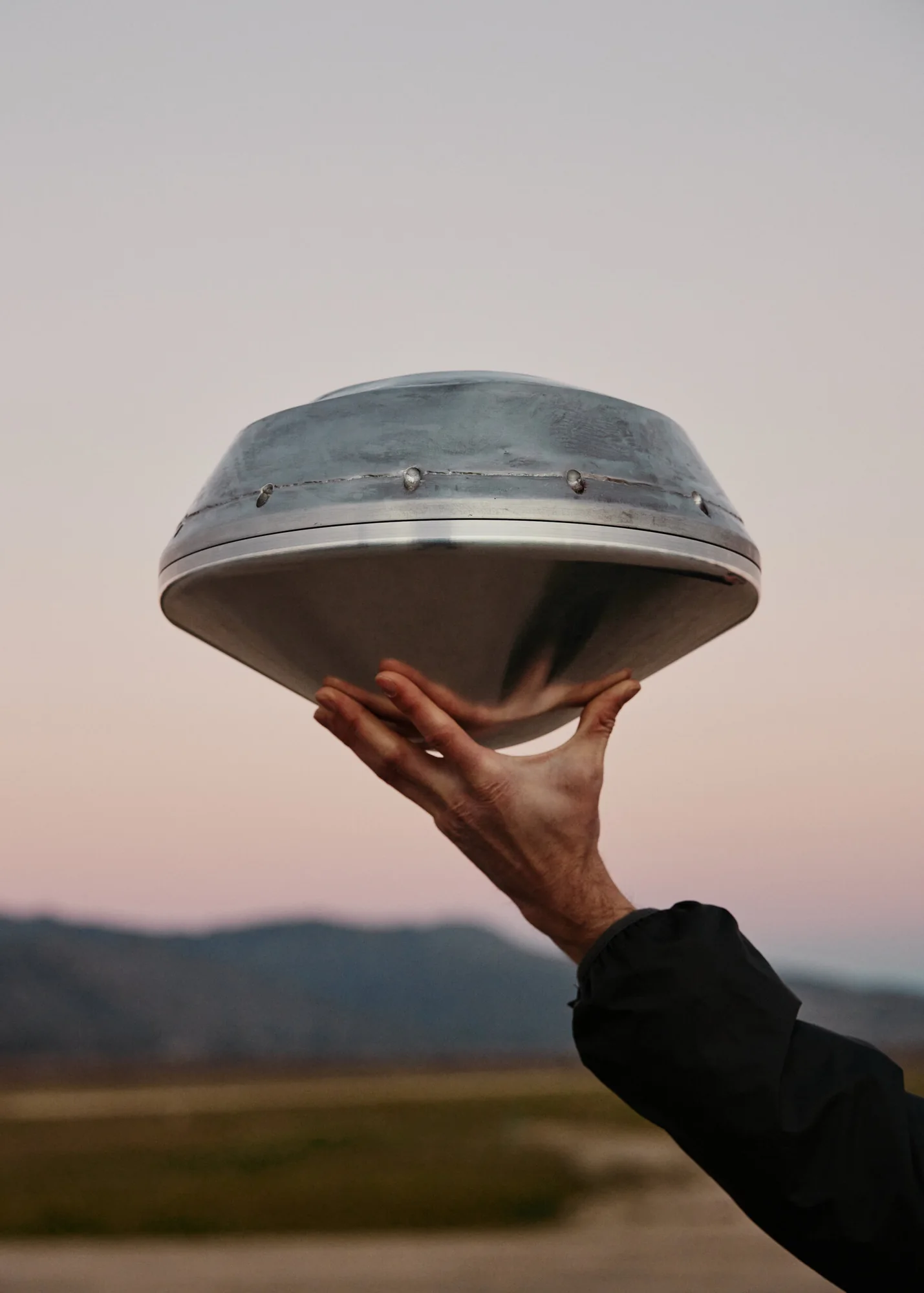
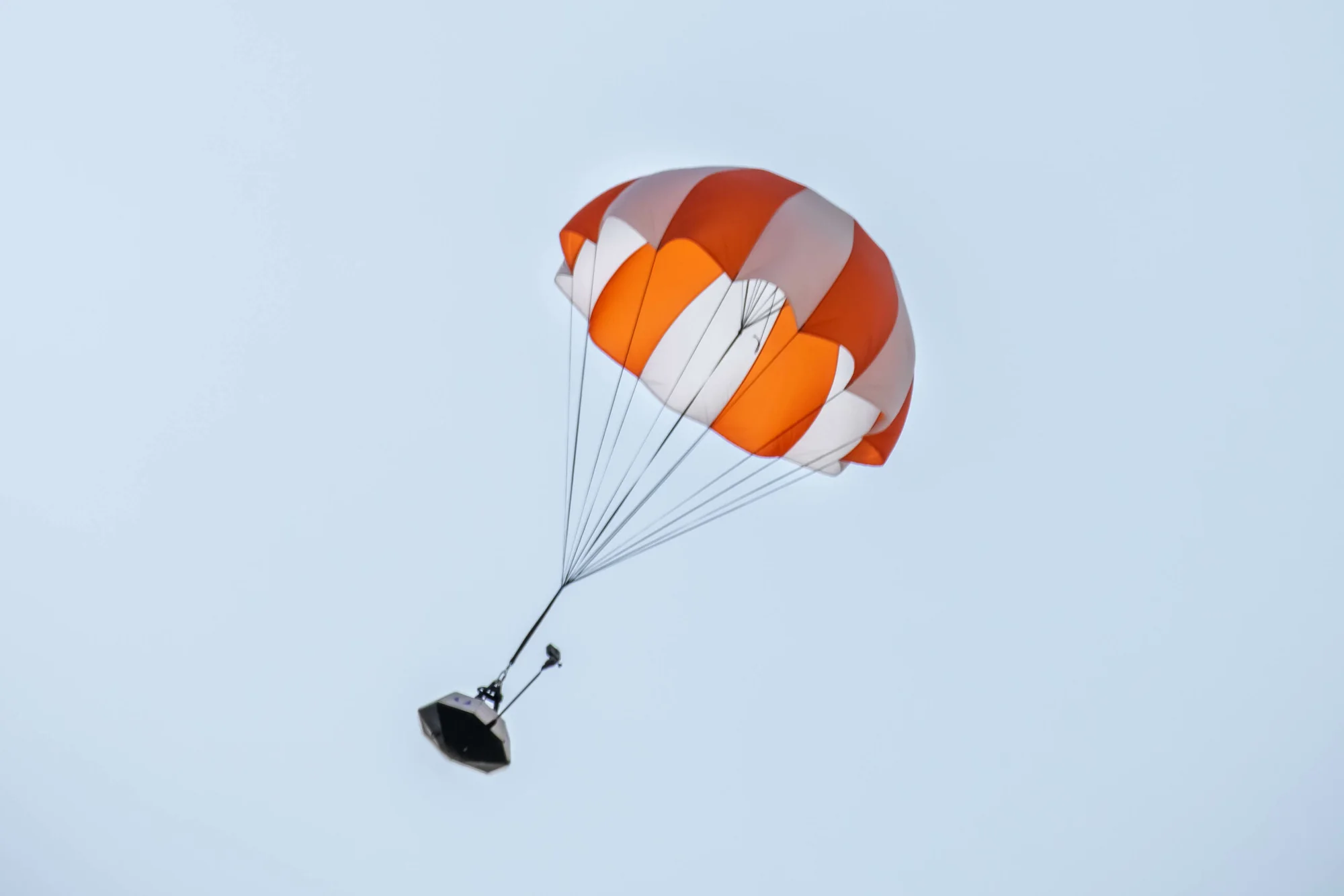
Current designs under development
Designs
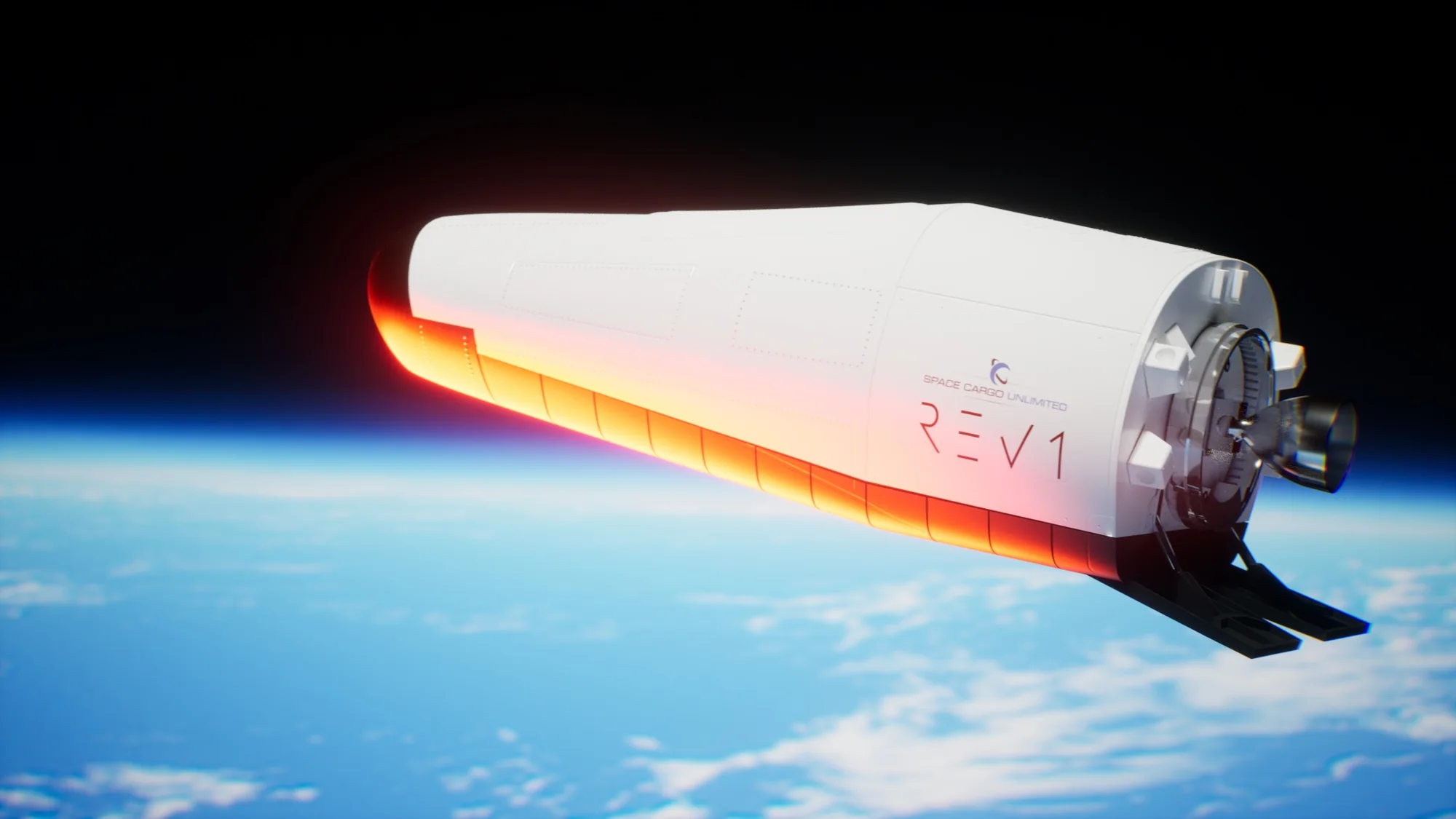
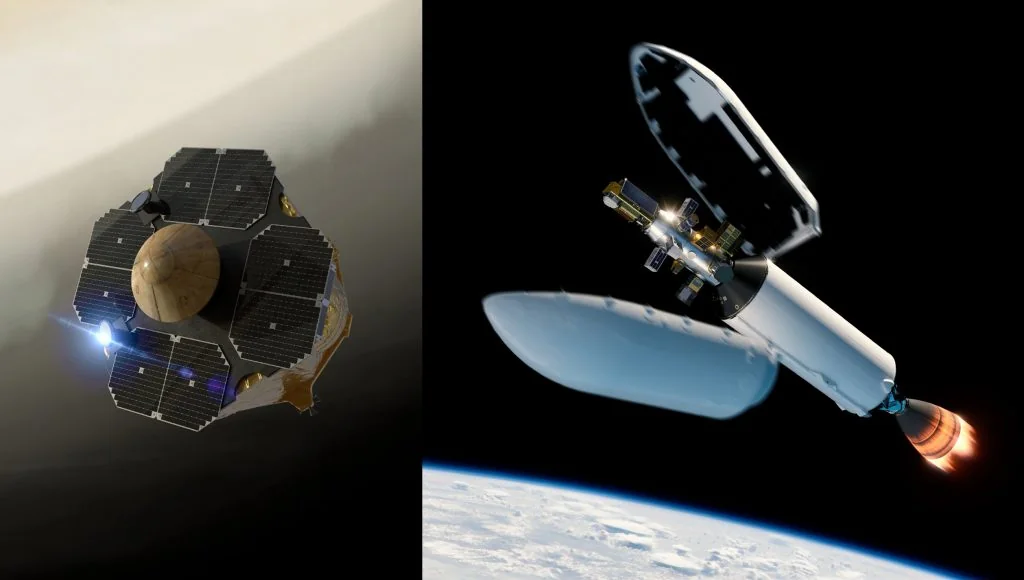
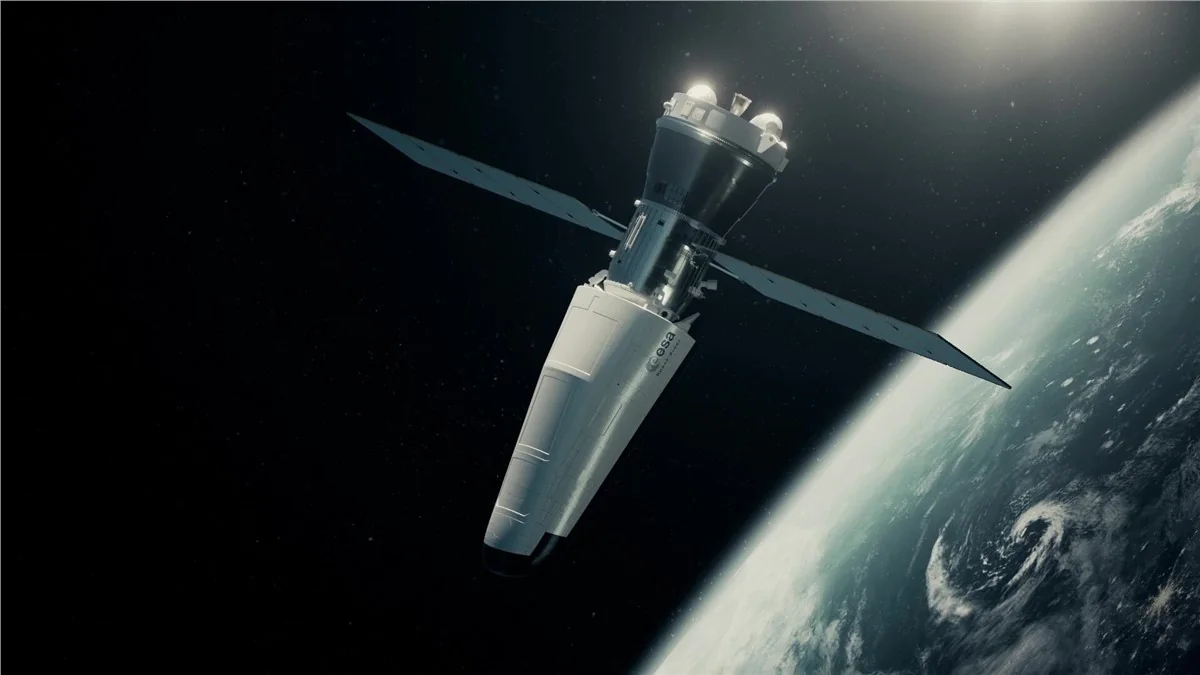
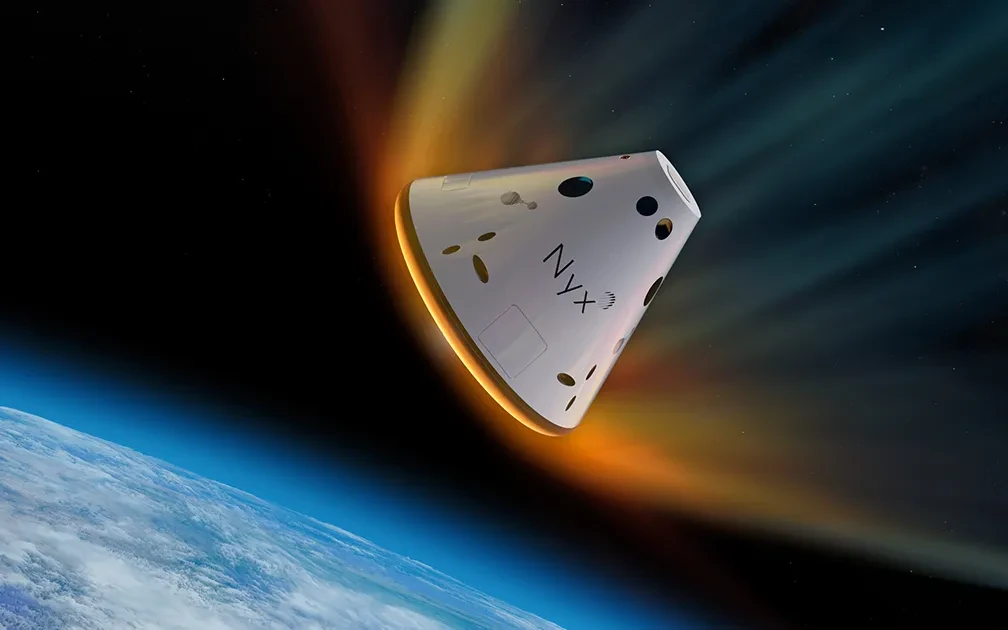
Company list
| Name | Investment | Rounds | Description | Website | crunchbase |
|---|---|---|---|---|---|
| Outpost | $7,000,000 | Pre-seed, Seed | Outpost enables precision Earth return of satellites and orbital payload missions. | outpost.space | Crunchbase |
| Space Forge | $10,800,000 | Pre-seed, Seed | Space Forge makes materials in space which, according to the company, cannot be made on Earth. | spaceforge.co.uk | Crunchbase |
| SpaceWorks | ? | ? | SpaceWorks is a seasoned space company with a branch developing reentry and descent systems | spaceworks.aero | Crunchbase |
| Inversion | $10,000,000 | Pre-seed, Seed | Inversion builds space capsules to return cargo back to Earth for the commercial, civil, and defense industries. | inversionspace.com | Crunchbase |
| The Exploration Company | $6,800,000 | Pre-seed, Seed | The Exploration Company develops, manufactures and operates modular and reusable spaceships serving the needs of space stations. | exploration.space | Crunchbase |
| Varda | $51,000,000 | Pre-seed, Seed, Series-A | Varda is a space manufacturing startup that focuses on creating products in space for terrestrial applications. | varda.com | Crunchbase |
| Elevation Space | $2,431,532 | Seed | Elevation space is developing space manufacturing and reentry systems | elevation-space.com | - |
| Klaus Space Transportation | ? | ? | A sustainable space company focused on recovering space assets, such as a second stage recovery ballute. | klausspacetransportation.com | - |
| In Orbit Aerospace | ? | TechStars | In Orbit is focused on space manufacturing in a very similar way to Varda. Developing their own orbital factory and recovery capsule. | inorbitaerospace.com | - |
| Reorbit | $789,000 | ? | Reorbit is developing a set of technologies to make spacecraft platforms modular and configurable to accommodate different types of payloads, and equipped with built-in autonomous orbital capabilities and a software-defined architecture. | reorbit.space | Crunchbase |
| Space Cargo Unlimited | ? | ? | Space Cargo Unlimited is developing an orbital factory and recovery vehicle inspired in the Space Rider Design | space-cu.com | Crunchbase |
References
- "The Case for Space: How the Revolution in Spaceflight Opens Up a Future of Limitless Possibility" by Robert Zubrin (Prometheus, 2019)
- "Asteroid Mining 101: Wealth for the New Space Economy" by John S. Lewis (2014)
- "Space Debris", European Space Agency: esa.int
- "Reusability", SpaceX: spacex.com
- In-space manufacturing and the space economy: factoriesinspace.com
The companies named above, on their own websites: AstroForge, Inversion, Space Cargo Unlimited, Varda, Stoke Space and The Exploration Company.