Space warfare
An introduction to conflict in the final frontier
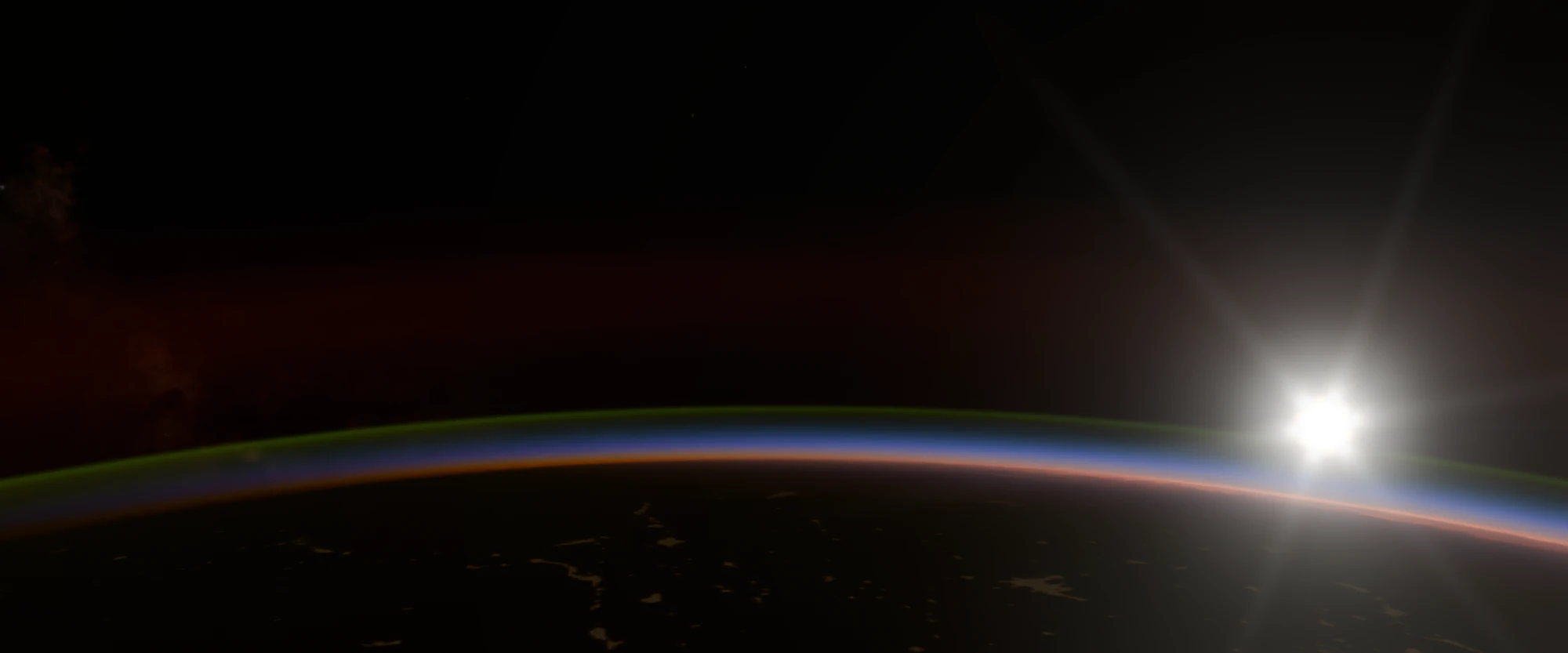
There’s a hidden side of space exploration that few people speak publicly about: space warfare.
It is an area of military conflict that has not been fully explored, but is becoming increasingly relevant as more countries develop their own space capabilities. The idea of warfare in space is not new, with science fiction works depicting space battles for decades, but the reality of space warfare is likely to be quite different from its fictional counterparts. The four types of engagement covered below are Earth to orbit, orbit to orbit, orbit to Earth and the lunar surface.
One of the advantages claimed for space warfare is surprise. In theory, a weapon already in orbit could strike with less warning than one launched from the ground, leaving an enemy little time to prepare. In practice, launches and objects in orbit are watched closely, so a physical attack would be hard to hide; jamming and cyberattacks are where attribution gets hard. In addition, space-based weapons systems have the ability to attack multiple targets simultaneously, making it difficult for an enemy to defend against them.
However, space warfare also has its drawbacks. One of the biggest of these is the cost of development and maintenance of space-based weapons systems. These systems are incredibly expensive to develop and maintain, and the cost of launching them into orbit is also high. This means that only a few countries would be able to afford to develop and maintain these systems.
Another drawback of space warfare is the fact that it would likely lead to the destruction of many satellites, which would disrupt global communications and navigation. This would be particularly problematic for countries that rely heavily on satellite-based systems for their communication and navigation needs.
Types of engagement
Earth-to-orbit
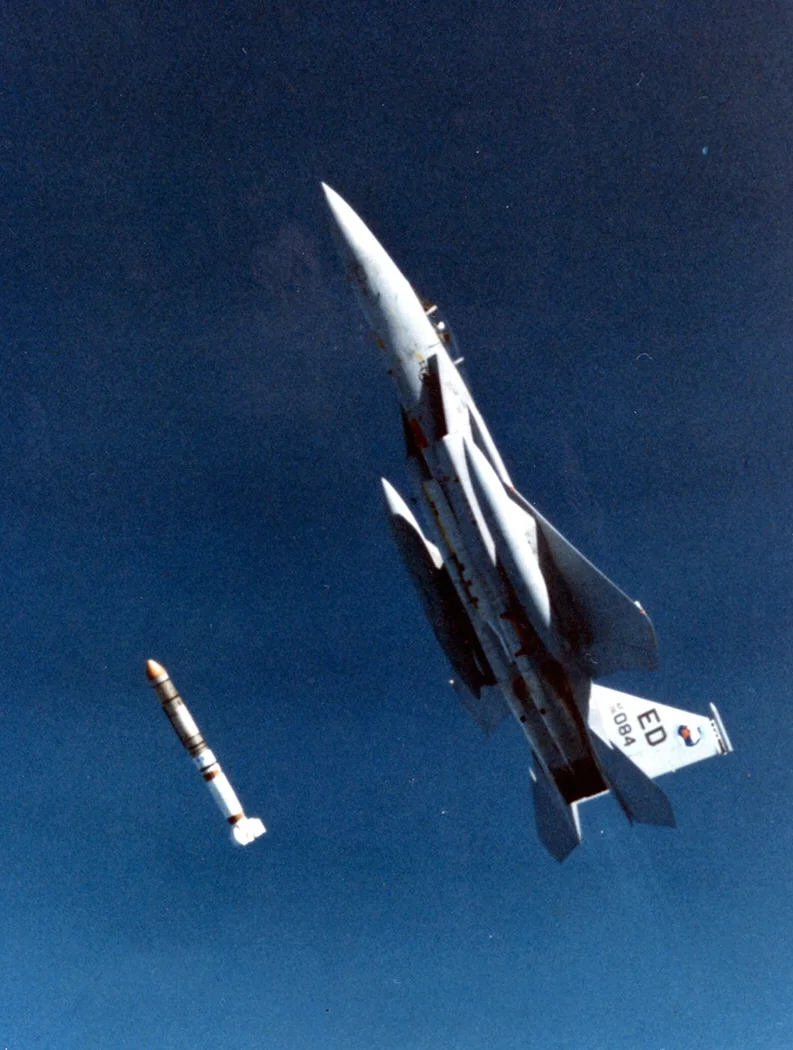
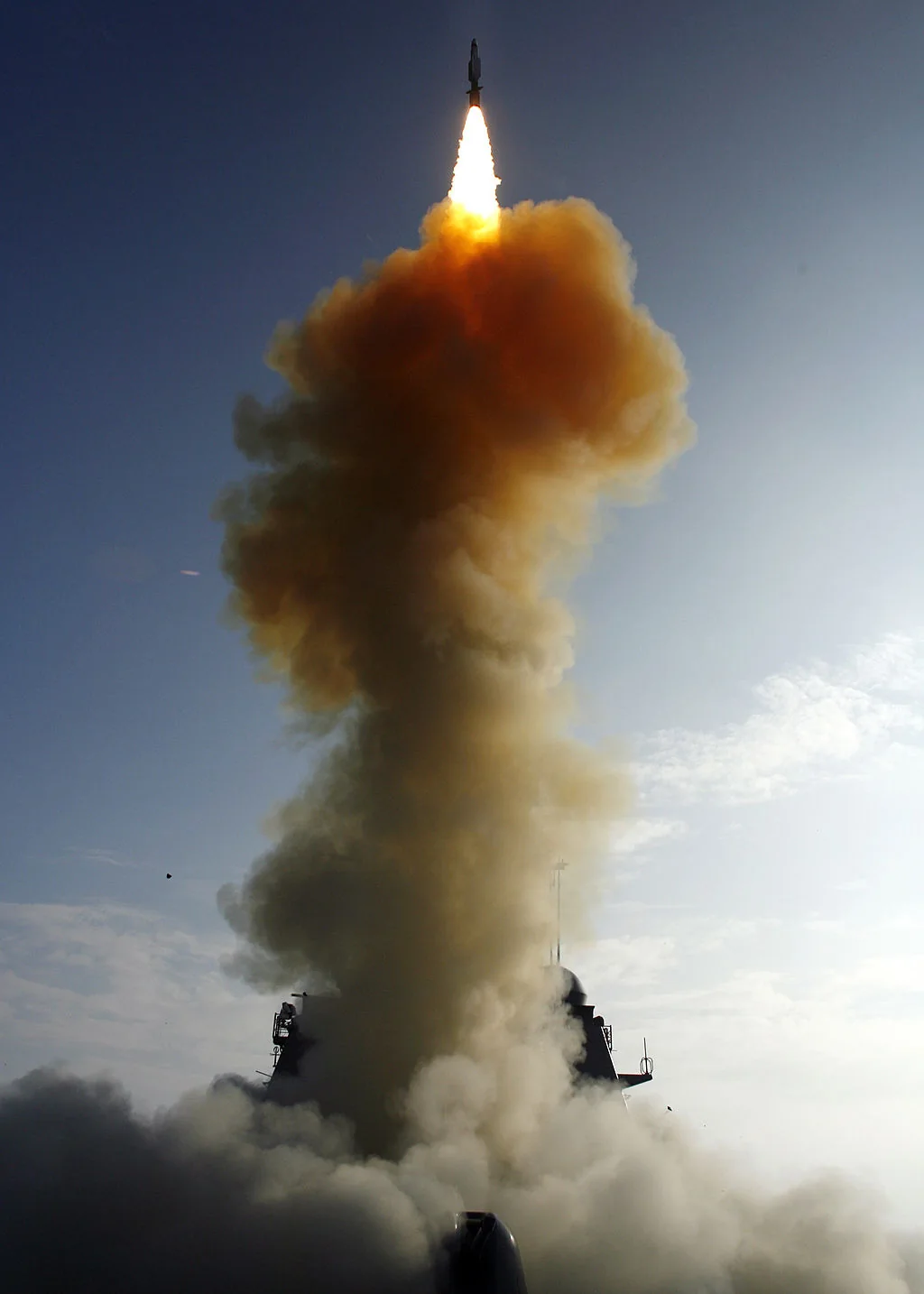
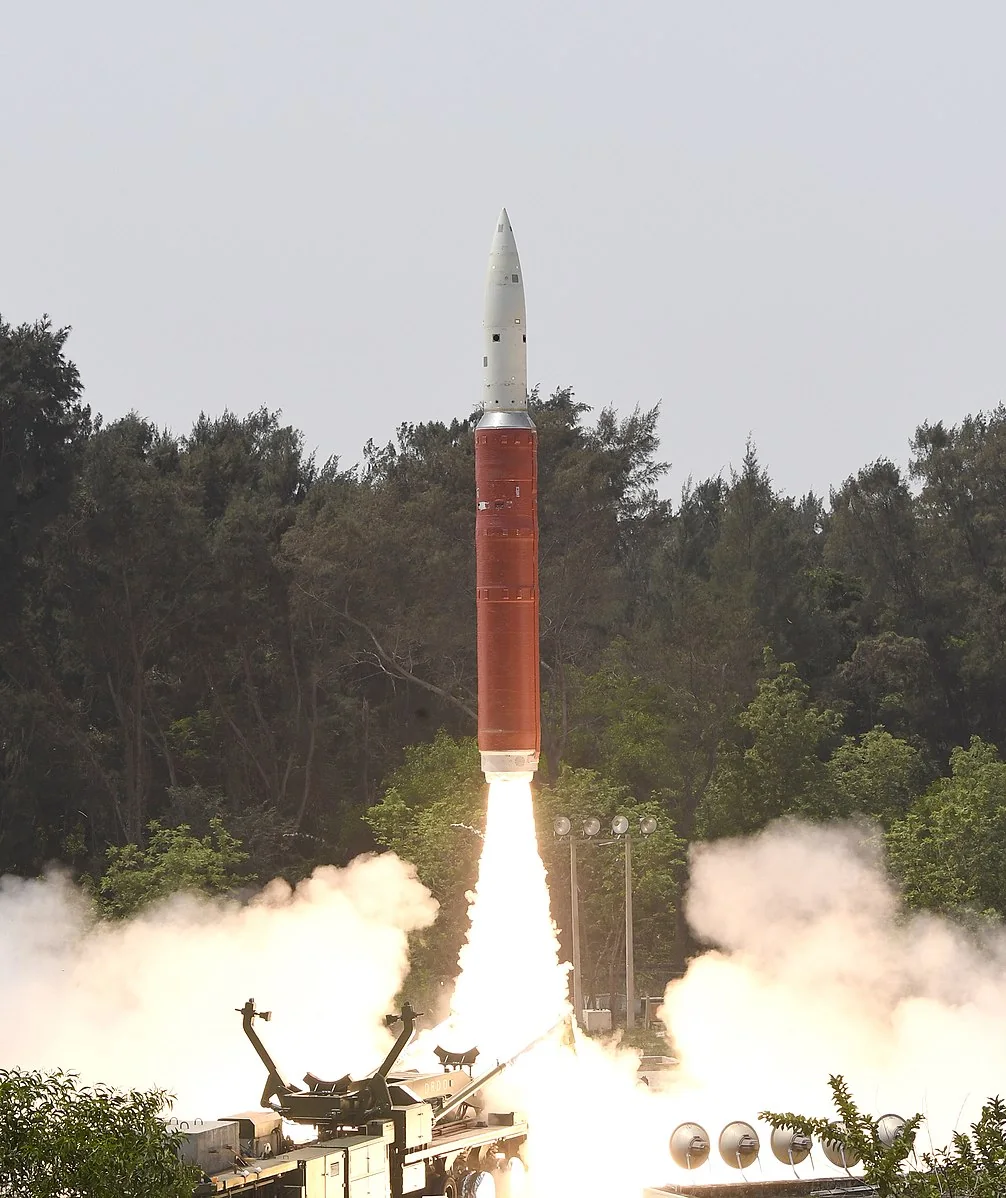
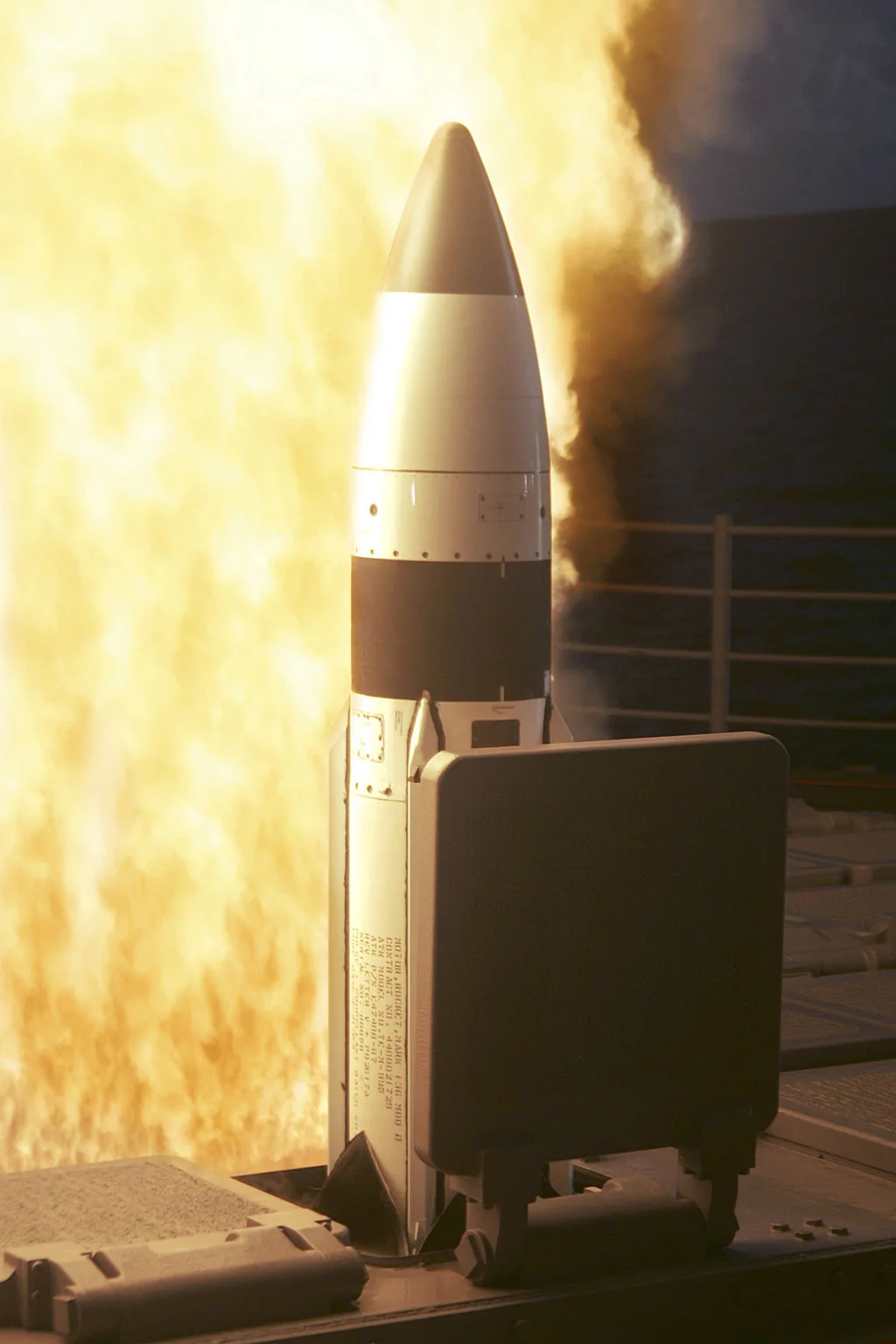
Also known as Anti-satellite (ASAT) weapons. The most likely scenario for space warfare would be an engagement between Earth and orbit, with countries using ground-launched weapons to strike at an enemy's satellite systems. This would include the use of anti-satellite weapons, which are capable of destroying or disabling an enemy's satellites. This would greatly affect the ability of countries to communicate and navigate, as well as their ability to launch new satellites. As of writing, this is the most advanced of all the types of engagement, having been tested by countries such as the United States, the Soviet Union, China, India, and Russia.
Orbit-to-orbit
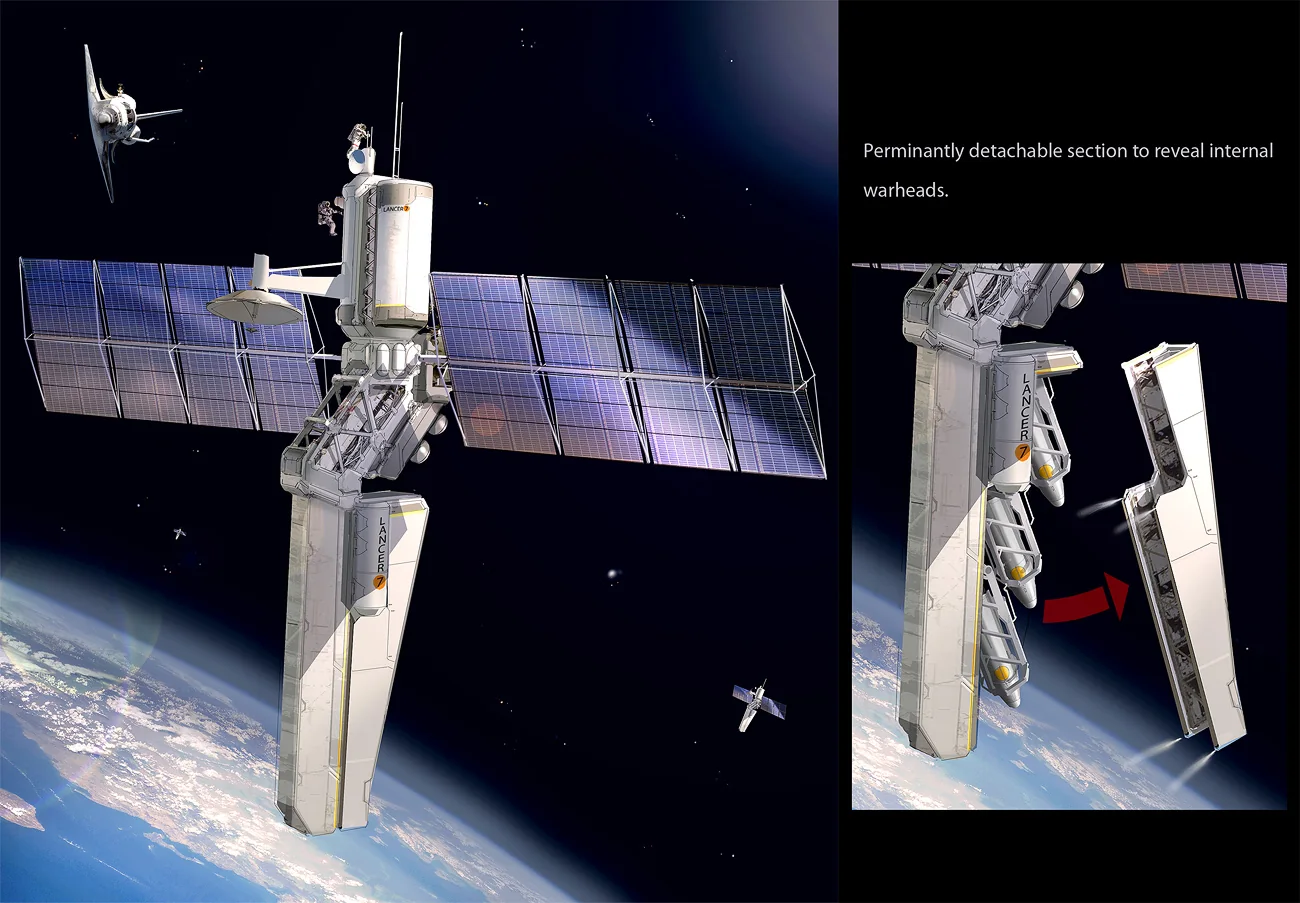
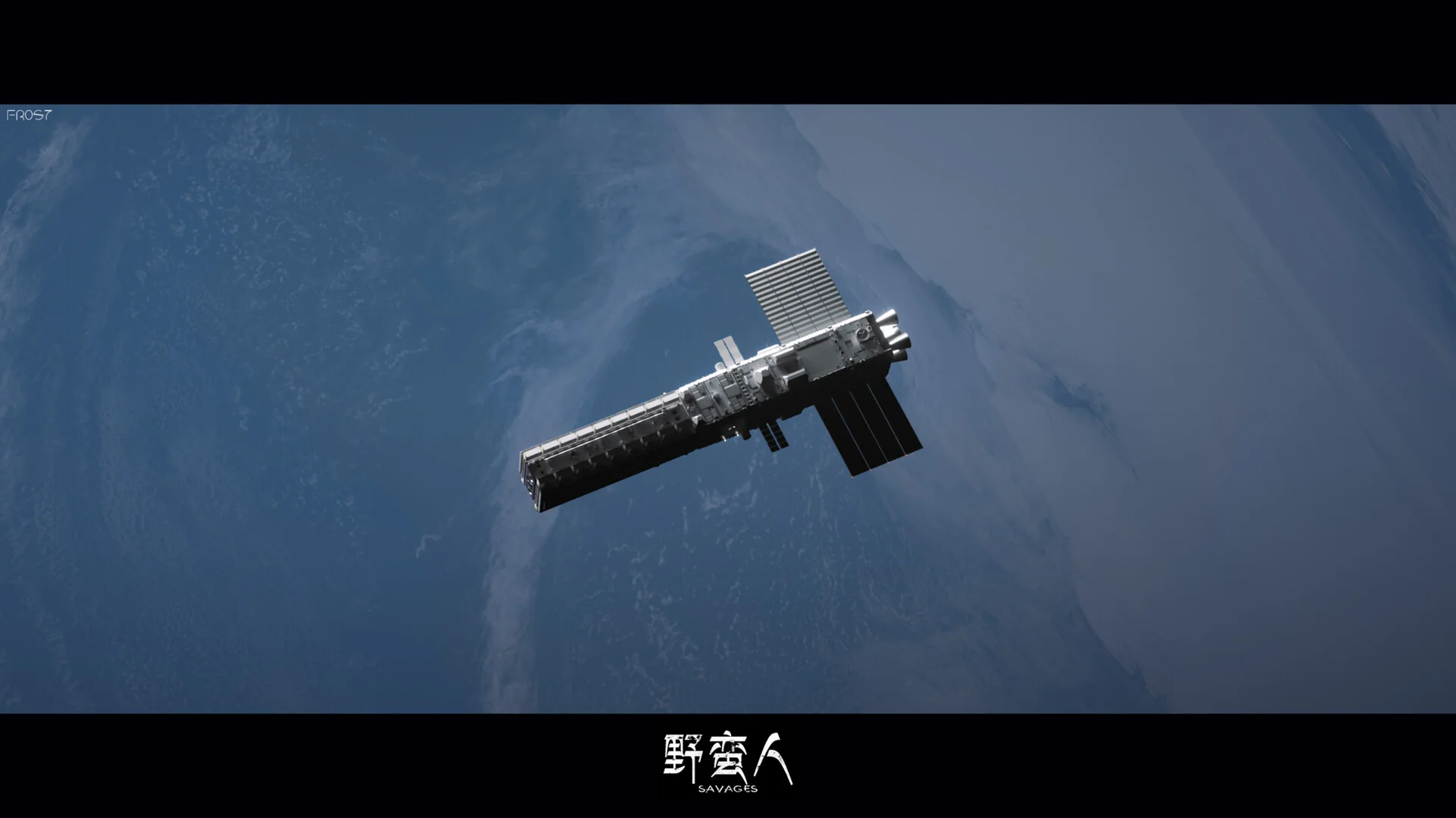
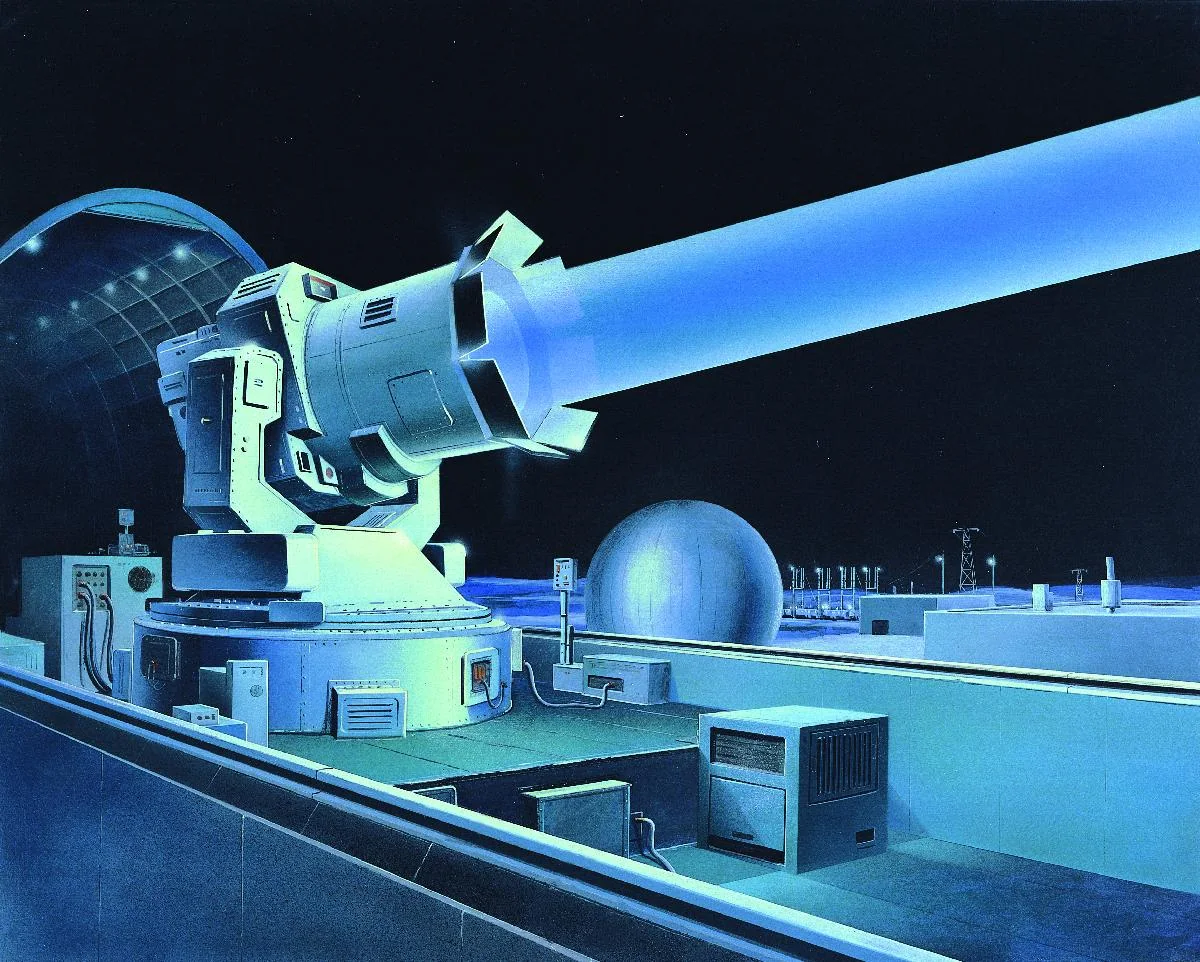
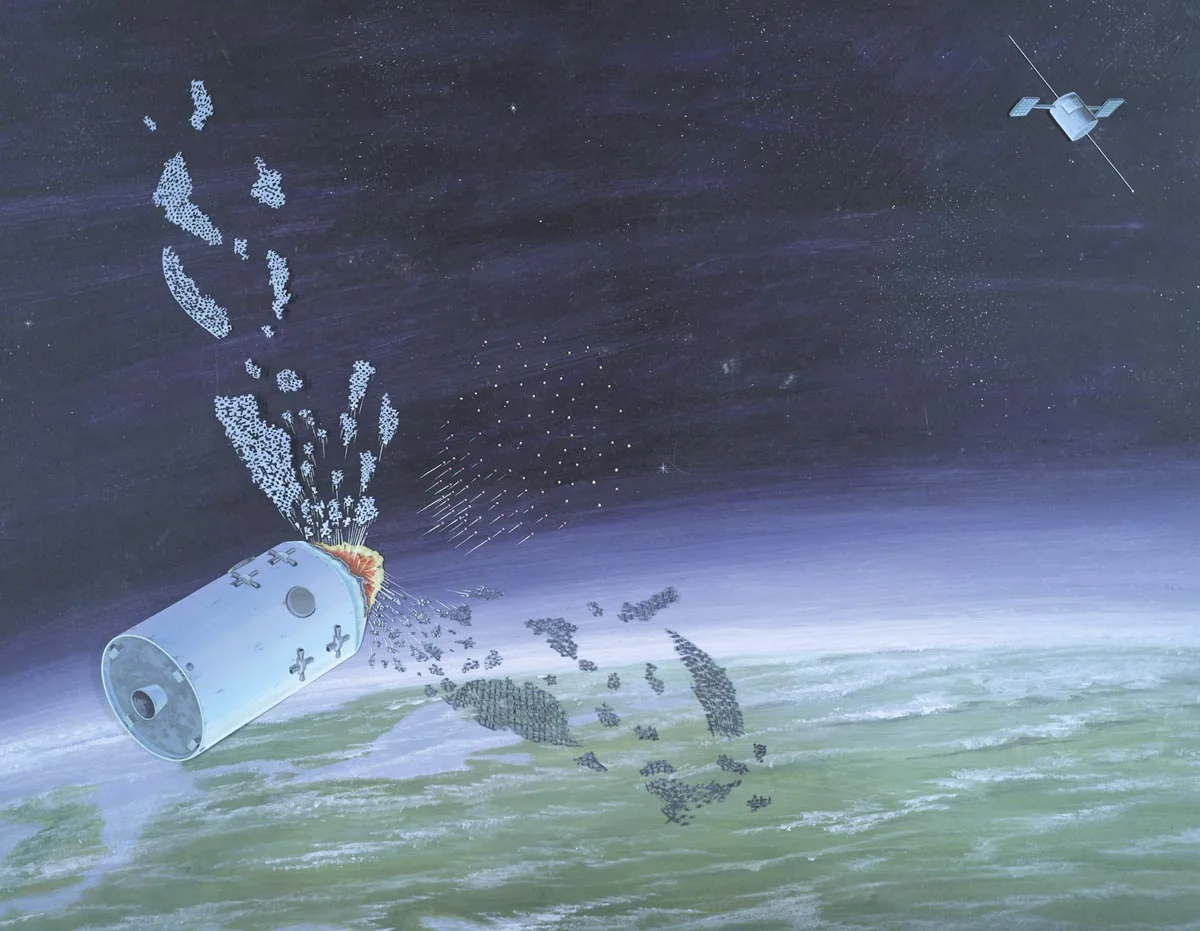
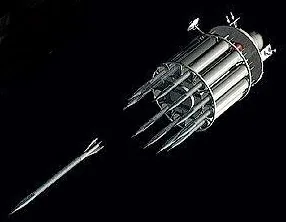
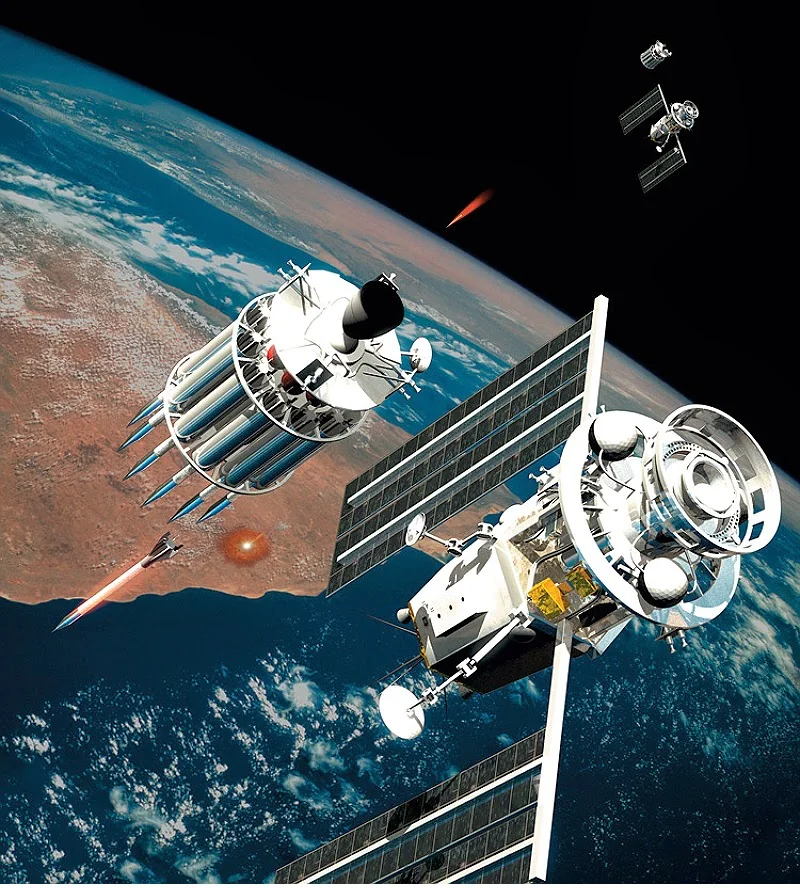
Orbit-to-orbit engagements would involve the use of weapons systems that are based in orbit and are capable of attacking other satellites or spacecraft. This would include the use of kinetic weapons, such as projectiles, as well as directed energy weapons, such as lasers. These systems would have the advantage of being able to strike at an enemy's satellites without ever having to enter the Earth's atmosphere.
Orbit-to-Earth
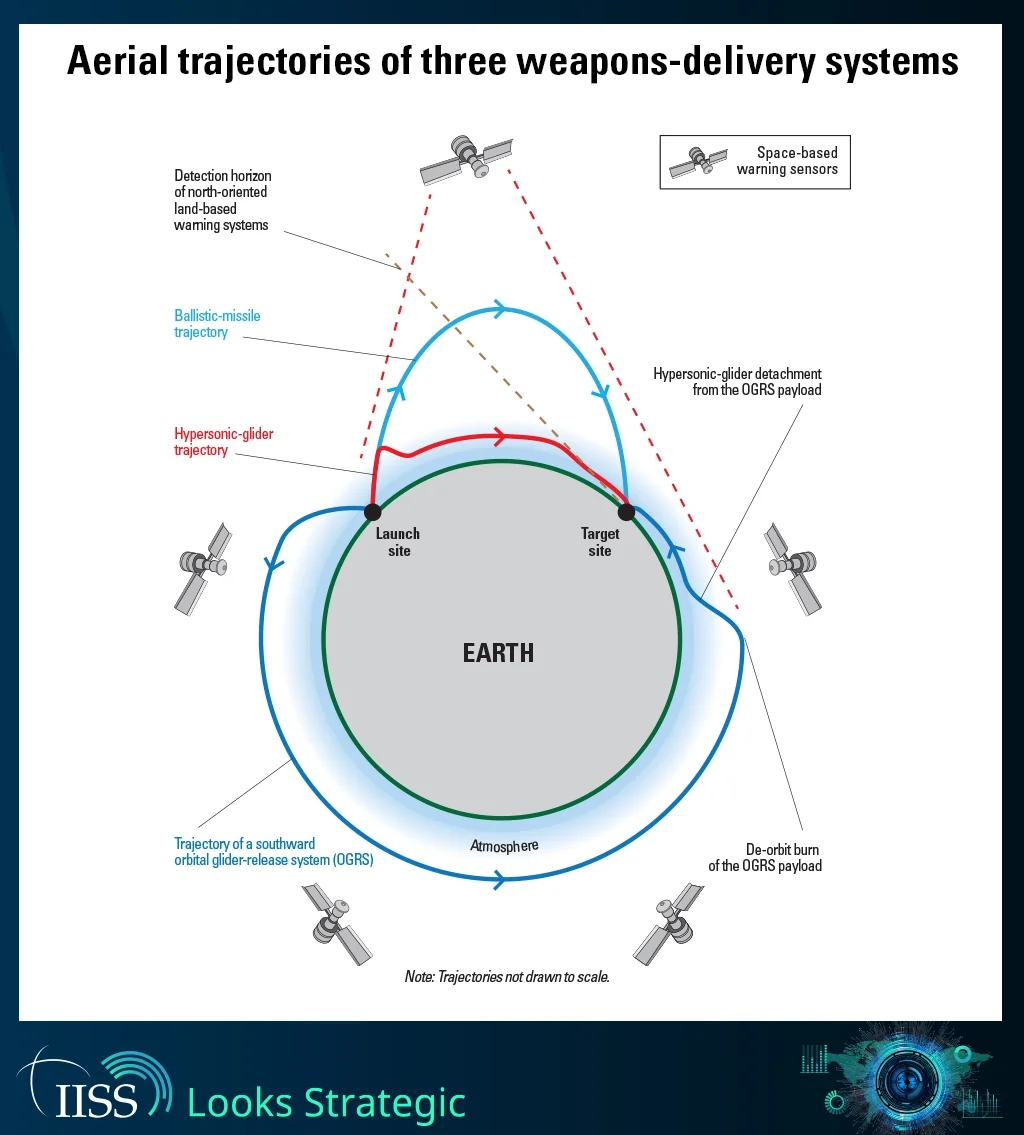
Orbit-to-Earth engagements would involve the use of space-based weapons systems to strike at targets on the ground, such as an enemy's military bases and industrial complexes. In mid-2021, China tested two weapons that flew long distances in low-Earth orbit before releasing hypersonic gliders into the atmosphere toward targets in Chinese territory. Much is unknown about these tests.
Planetary surfaces: Moon
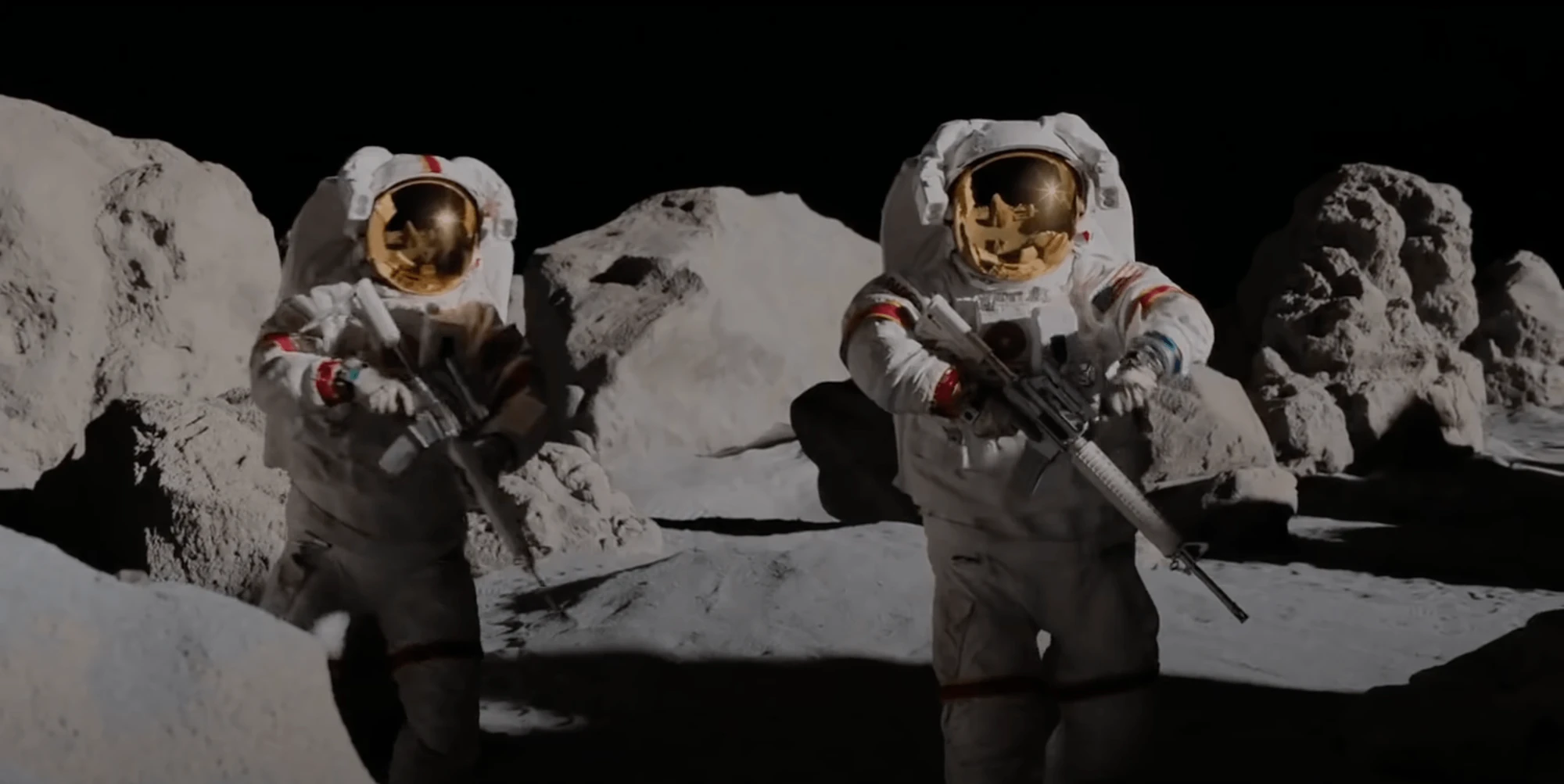
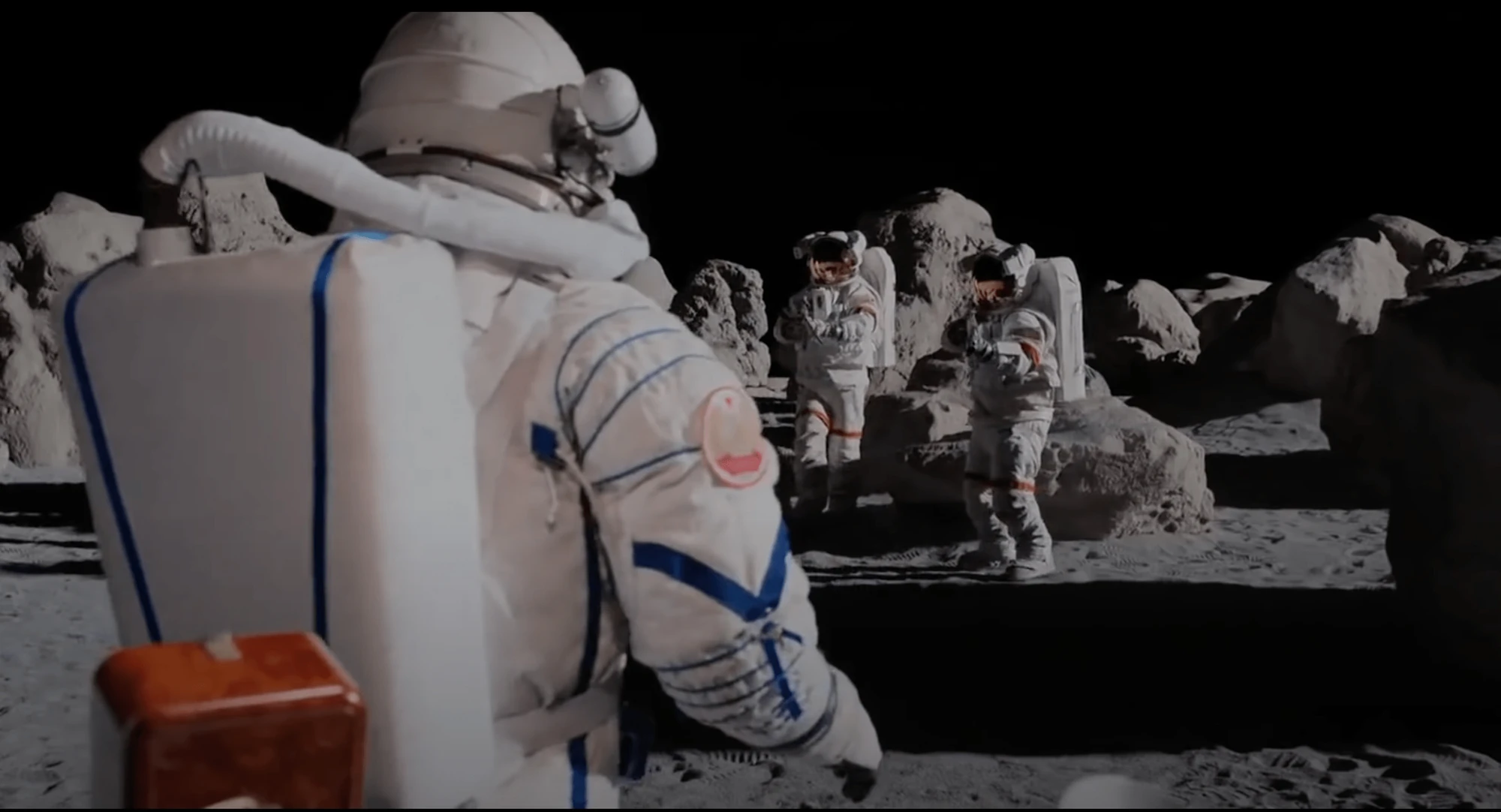
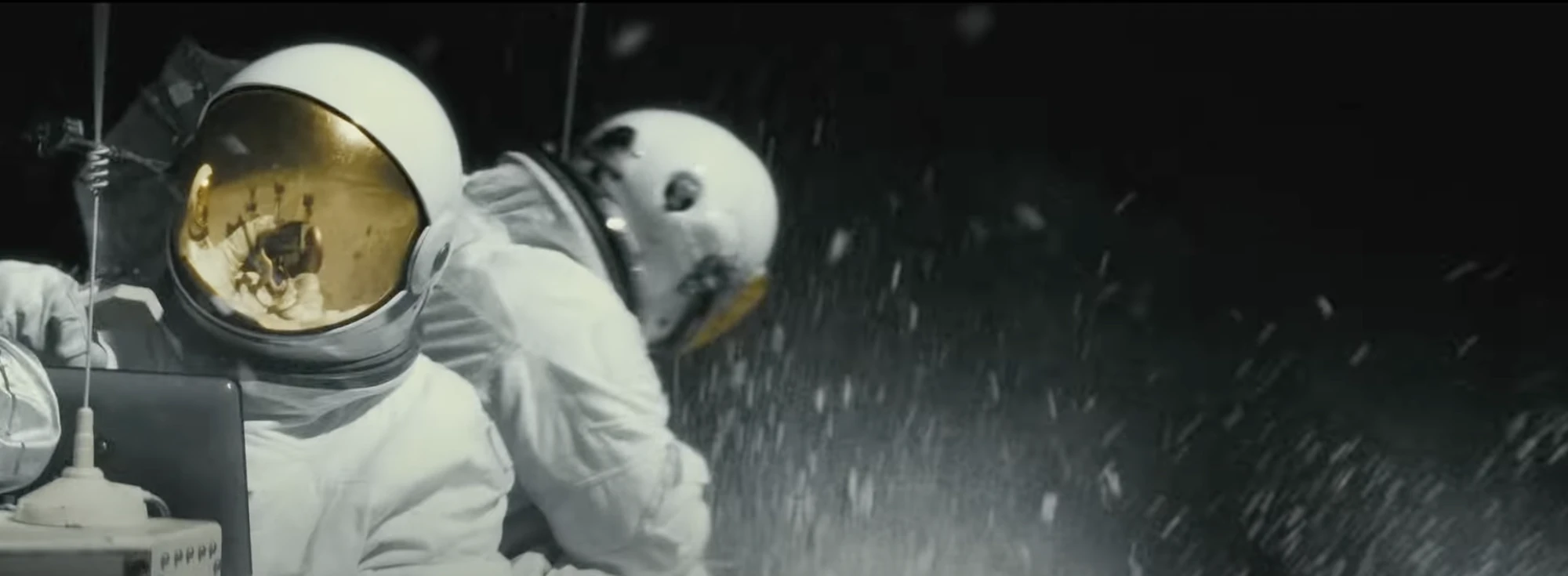
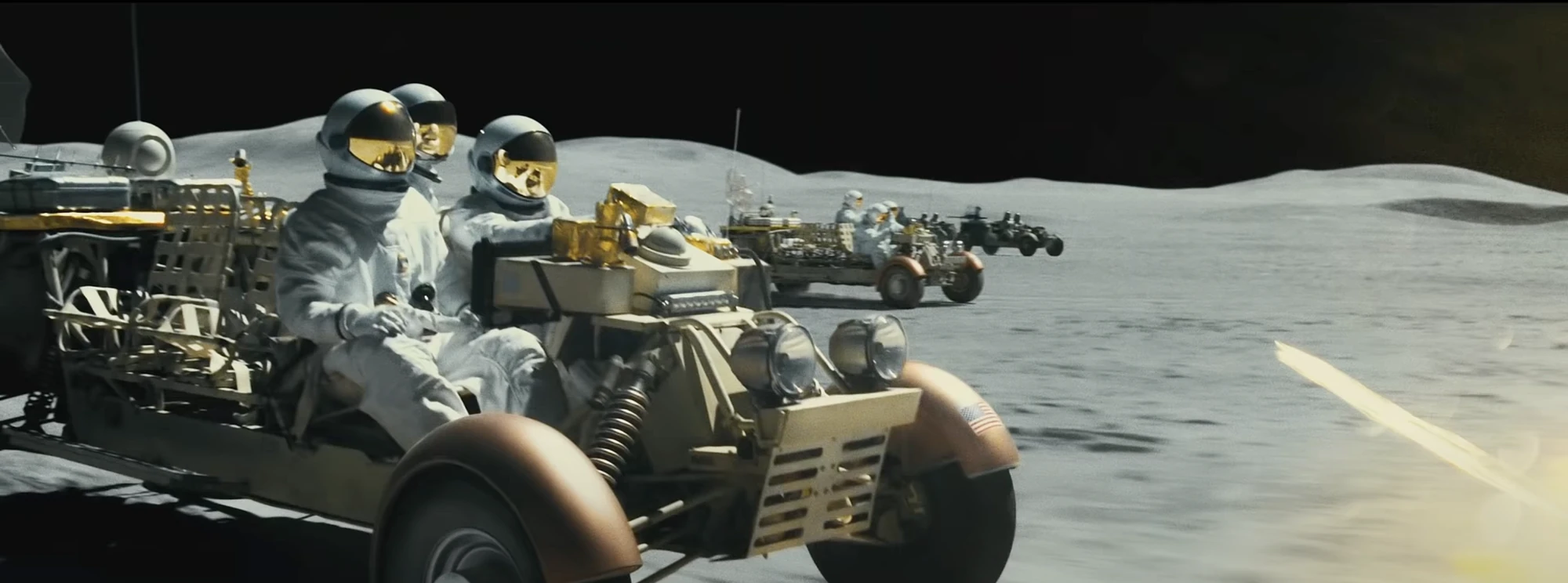
Lunar surface skirmishes and warfare is an area of space warfare that has not been explored in reality, but is an active area of research and speculation. Lunar surface warfare would be vastly different from warfare on Earth due to the lack of an atmosphere and the reduced gravity.
In terms of handheld weapons, it's likely that they would have to be modified to function in the harsh lunar environment and account for the reduced gravity. For example, weapons would need to be designed to function in vacuum. Soldiers would need suits that protect them from extreme temperatures, radiation, and micrometeoroids. With a sixth of Earth's gravity, a soldier would also have less grip on the ground to brace against a weapon's recoil.
Another challenge of lunar surface warfare would be mobility, due to the reduced gravity and rugged surface. It would be difficult to traverse the lunar surface quickly or move heavy equipment, and mobility would likely have to be assisted by vehicles or other specialized equipment.
Finally, the lack of an atmosphere on the Moon would change how explosive weapons work. Chemical explosives carry their own oxidizer and detonate in vacuum, but with no air there would be no blast wave; the damage would come from fragments, which nothing slows down. Furthermore, the lack of an atmosphere would also make it difficult to hide from surveillance and target acquisition, thus making it more difficult for surprise attacks.
Types of weapons that might be used in space conflict
| Weapon Type | Use-case | Damage Level | Countermeasures |
|---|---|---|---|
| Kinetic Kill Vehicles (KKVs) | Destroying or disabling satellites in orbit or attacking ground-based targets | High | Hardening of satellite components, use of decoys or other defensive systems, missile defense systems |
| Directed Energy Weapons (DEWs) | Disabling or destroying satellites or other space-based assets or attacking ground-based targets | High | Hardening of satellite components, use of decoys or other defensive systems, passive cooling systems |
| Electronic Warfare (EW) | Disrupting or jamming communications or other electronic systems on satellites or other space-based assets or ground-based assets | Moderate to High | Use of encryption, use of frequency hopping or other communication hardening techniques, use of anti-jamming systems |
| Cyberattacks | Disrupting or disabling satellite or ground-based control systems, stealing or destroying data | Moderate to High | Cybersecurity measures such as encryption, firewalls, and intrusion detection systems, developing backups and redundancy plans |
| Ground-based Anti-satellite (ASAT) missiles | Destroying or disabling satellites in low-Earth orbit | High | Hardening of satellite components, use of decoys or other defensive systems, Surveillance, early warning and tracking systems |
| LEO-to-Earth Stealth aerial deployment weapons | Attacking ground-based targets from low-Earth orbit. Deploying assets such as drones or other equipment from fast descent capsules anywhere on the planet | High | Missile defense systems, hardening of critical infrastructure and military assets, early warning and tracking systems |
| Nuclear Weapons | Attacking ground-based targets from low-Earth orbit with concealed nuclear weapons on descent stages. | Extreme | Missile defense systems, civil defense measures, early warning and tracking systems |
| Asteroid diversion (more far-fetched) | Diverting an asteroid and aiming it to an enemy ground territory. | Extreme | Civil defense measures, early warning and tracking systems |
Nuclear weapons in orbit around the Earth are banned by the 1967 Outer Space Treaty.
Impact of ASATs and in-space conflicts
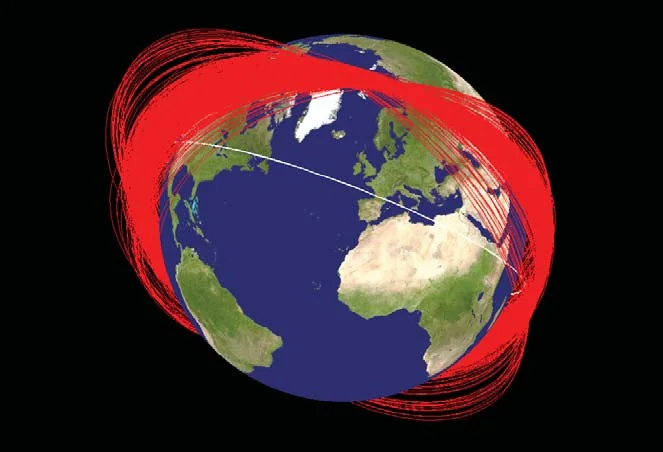
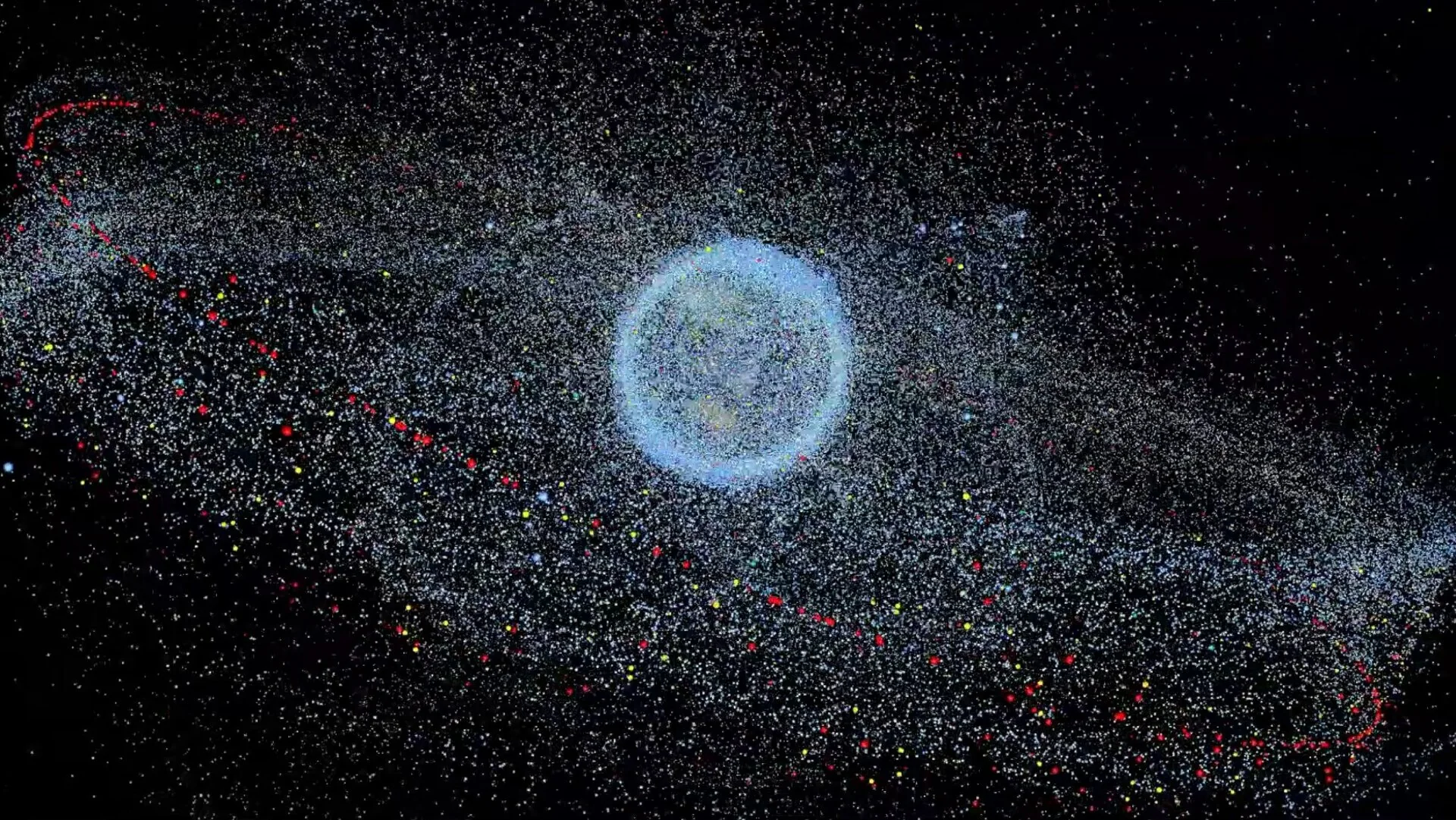
Anti-satellite (ASAT) weapons, when used, can have a destructive impact on satellites. This can lead to the creation of thousands to millions of pieces of debris, known as "space debris," that can orbit the Earth for decades at high speeds.
The Union of Concerned Scientists states that the destruction of a single 10-ton satellite can produce between 8 and 14 million pieces of debris measuring between 1 mm and 1 cm, 250,000 to 750,000 pieces measuring between 1 cm and 10 cm, and 5,000 to 15,000 pieces measuring greater than 10 cm. These pieces add to the existing 8,800 metric tons of space debris that are already present in space. These debris pieces can travel at speeds of up to 29,000 km/h which make them a serious threat to other objects in orbit. The International Space Station has even had to conduct 29 debris avoidance maneuvers since 1999 to avoid collisions with debris.
References
- "Understanding Space Strategy: The Art of War in Space" by John J. Klein
- "Original Sin: Power, Technology and War in Outer Space" by Bleddyn E. Bowen
- "Space Warfare in the 21st Century: Arming the Heavens" by Joan Johnson-Freese (Cass Military Studies)
- "Accessory to War: The Unspoken Alliance Between Astrophysics and the Military" by Neil deGrasse Tyson and Avis Lang
- "Space Security: Emerging Technologies and Trends" by Puneet Bhalla (KW Publishers, 2017)
- "The Militarization of Space: U.S. Policy, 1945–1984" by Paul B. Stares
- "Anti-Satellite Weapons, Countermeasures, and Arms Control", US Office of Technology Assessment, 1985
- "Space Debris from Anti-Satellite Weapons", Union of Concerned Scientists, the source of the debris figures above. ucs.org
- "Global Counterspace Capabilities", Secure World Foundation, an annual open-source survey of who can do what to whose satellites. swfound.org
- "Handbook for New Actors in Space", Secure World Foundation. swfound.org