
Avatars for everything
How the future of work could be a mix of gaming and robotics
America desperately needs 1 million more construction workers. In the rest of the world, this problem is even more significant.
The incentives to work in the construction industry are disappearing as low-skill service jobs grow (Uber driving, food delivery and the rest). These low-skill jobs are already competing with construction. That's because construction is among the most dangerous jobs: in the United States it accounts for about one in five deaths at work. This trend will only continue.
As we saw at the Qatar World Cup, the construction industry is filled with abusive employment conditions and even slavery. However, the construction industry is essential for civilization to flourish. We must consistently renew homes, build new ones, improve infrastructure, and build in dangerous environments. And currently, the only direction for the market seems to be the increase in prices of all construction.
The construction industry is just an example of a more significant trend. The same can be said for agriculture, policing and security, piloting aircraft, care, nursing, and so on.
However, humanity in the 21st century lives in a strange case of an overabundance of skills. Even as we speak in the western world, vast numbers of highly trained people do not apply their abilities in real life but use them in virtual worlds. Malcolm Gladwell's 10k hour principle means that after 10k hours of doing something, you will likely be a master at it. And millions around the world have played much more than 10k hours in games and sims.
If only these skills could be harvested and focused on real-life problems.
Let's look at the construction worker gap problem.
What if we could have an immersive virtual environment where people would be building in real life? Here's what you would need:
- Players would need a high bandwidth connection (which people already have to play their multiplayer games).
- They would need interfaces (such as Virtual Reality controls).
- They would need a physical presence on the construction site.
Of course, the first two requirements are already here. What's missing is number 3. Where could we start developing point 3? In a way, this type of solution has already been worked on in the past, but in an entirely different field: surgery.
Intuitive's da Vinci robot lets a surgeon work from a console in the operating room, moving instruments inside the patient, and the US FDA cleared it for general laparoscopic surgery in 2000. Surgeons have also operated across an ocean: in 2001, surgeons in New York removed a patient's gallbladder in Strasbourg with the ZEUS robot from Computer Motion, a company that merged with Intuitive in 2003.
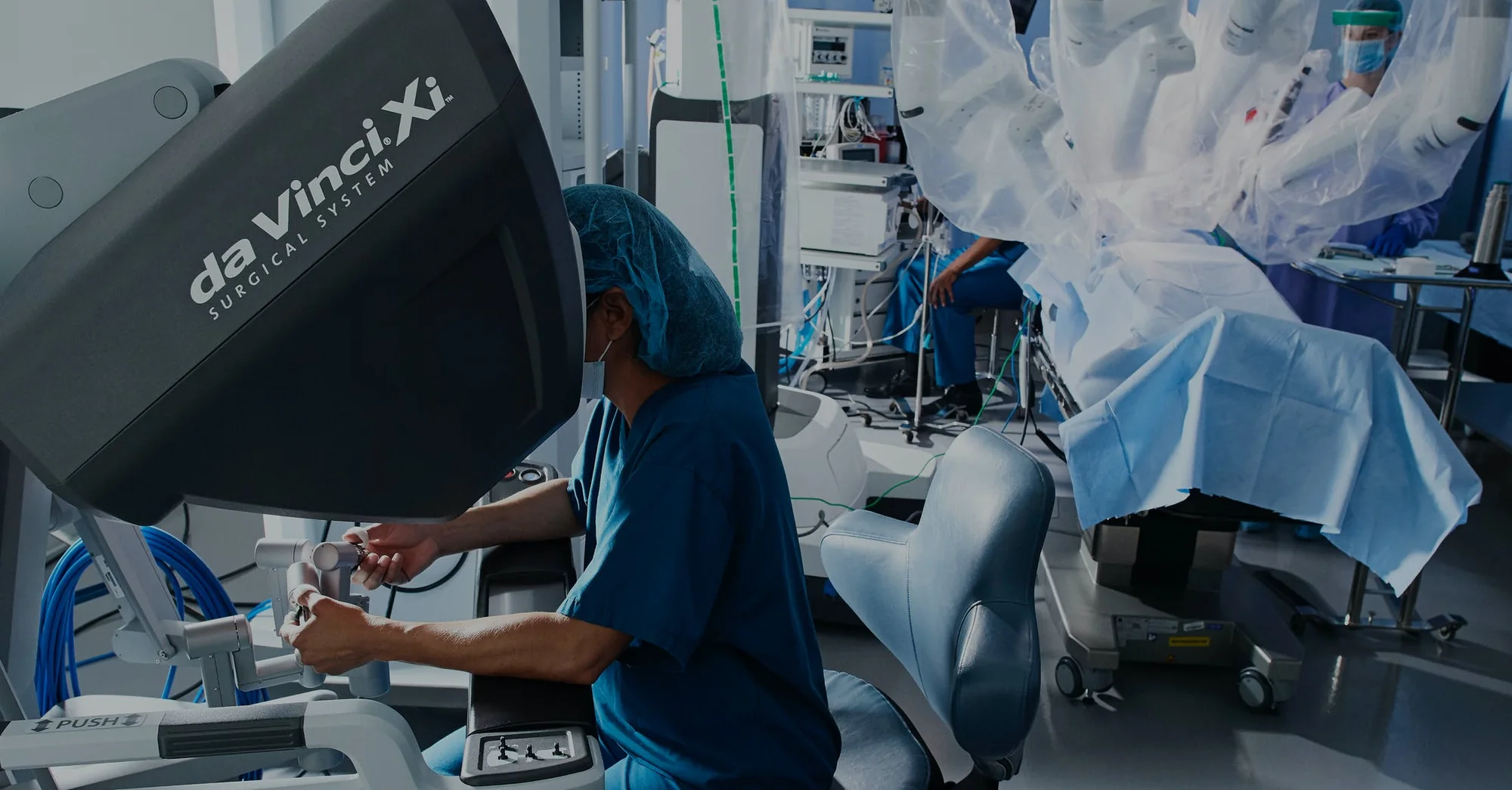
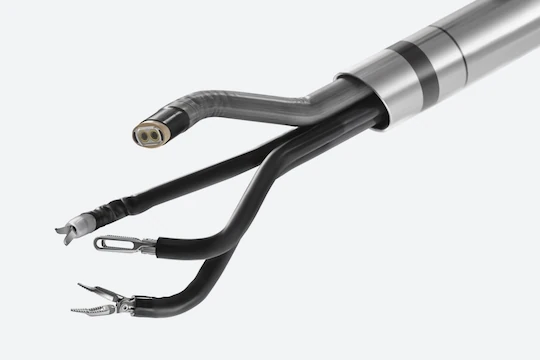
The design of the da Vinci probe is quite ingenious. Imagine if we could apply it to real-life construction scenarios. You would need to:
- Scale up the robot.
- Increase its power significantly.
- Make it compatible with existing construction machinery.
- Keep prices in the same range as existing construction machinery.
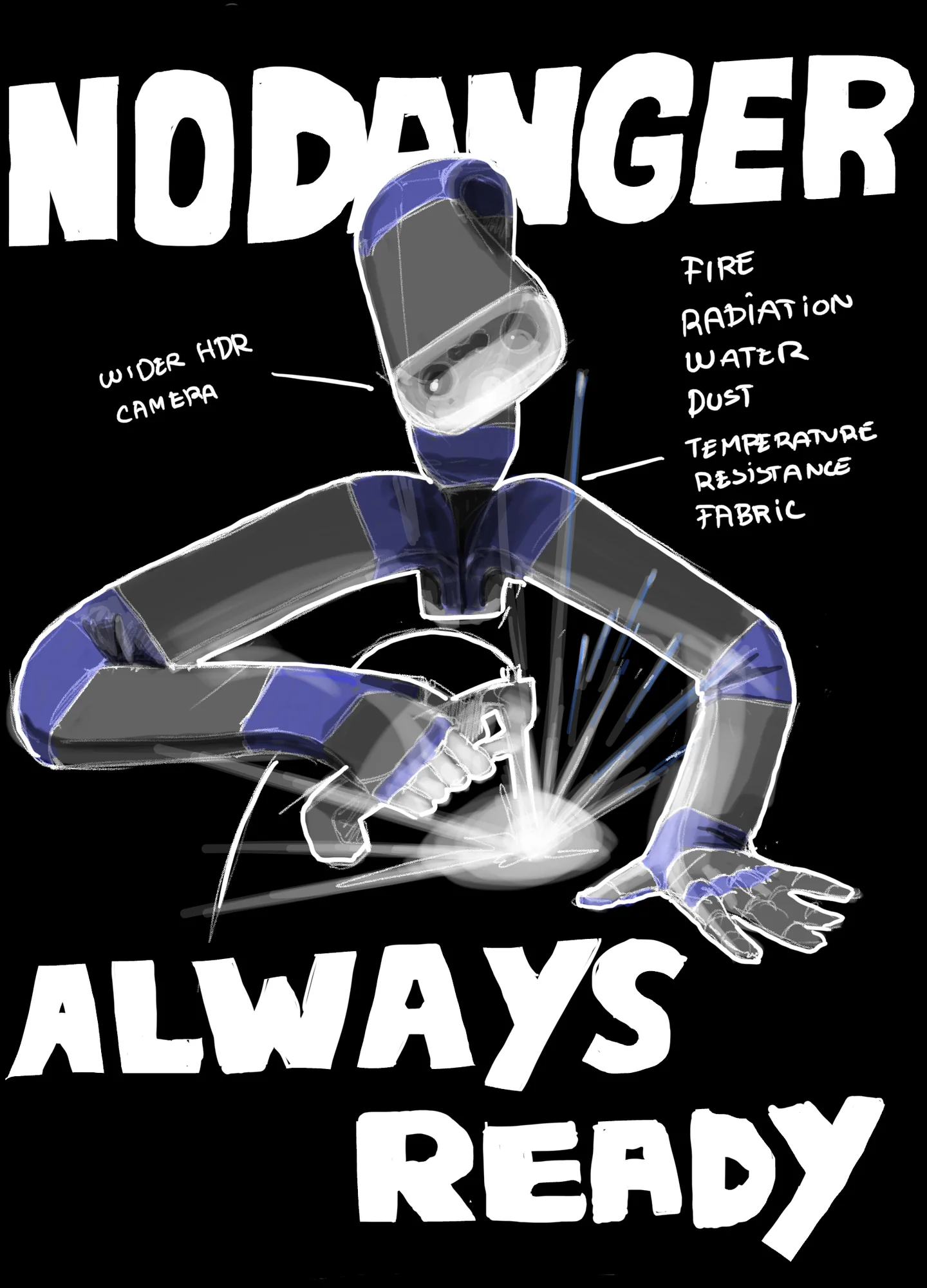
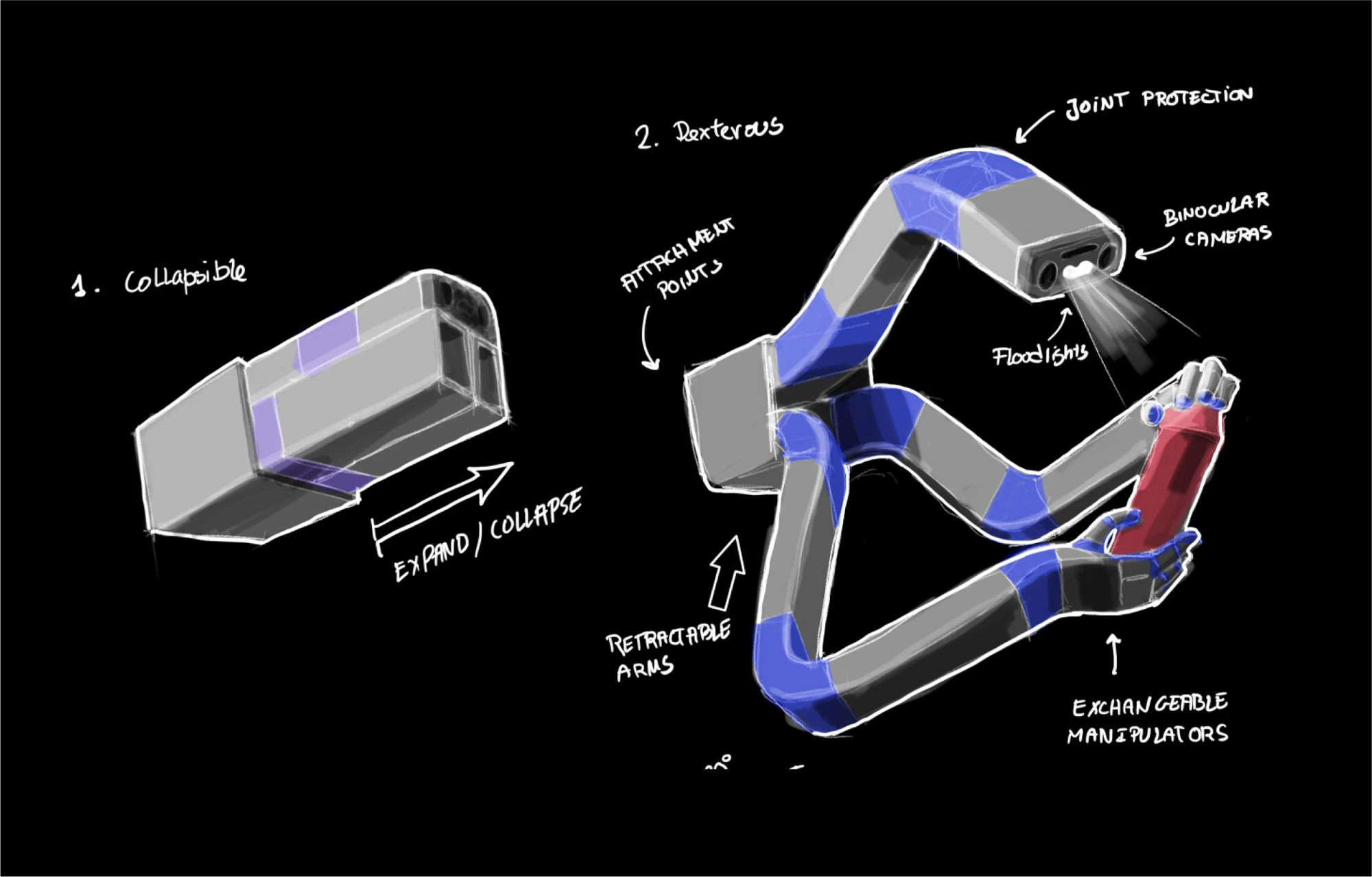
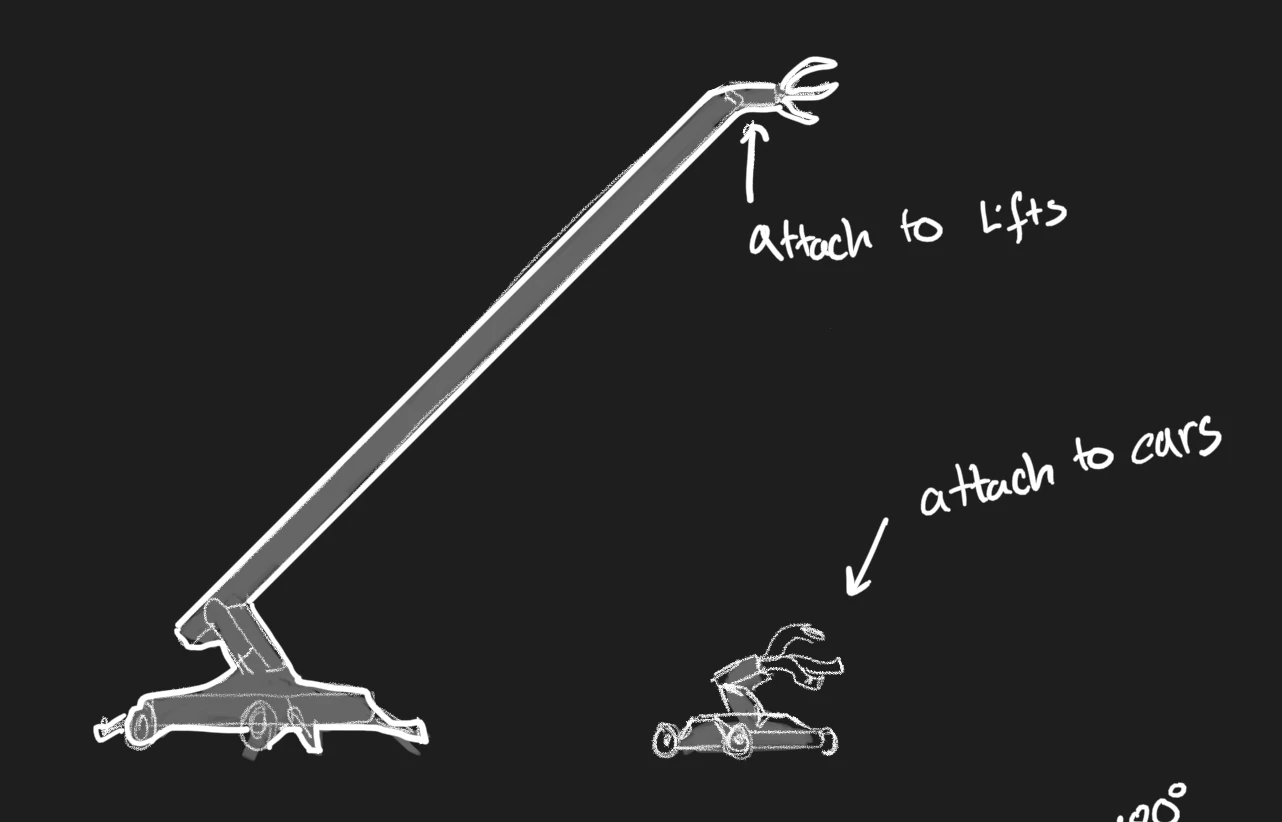
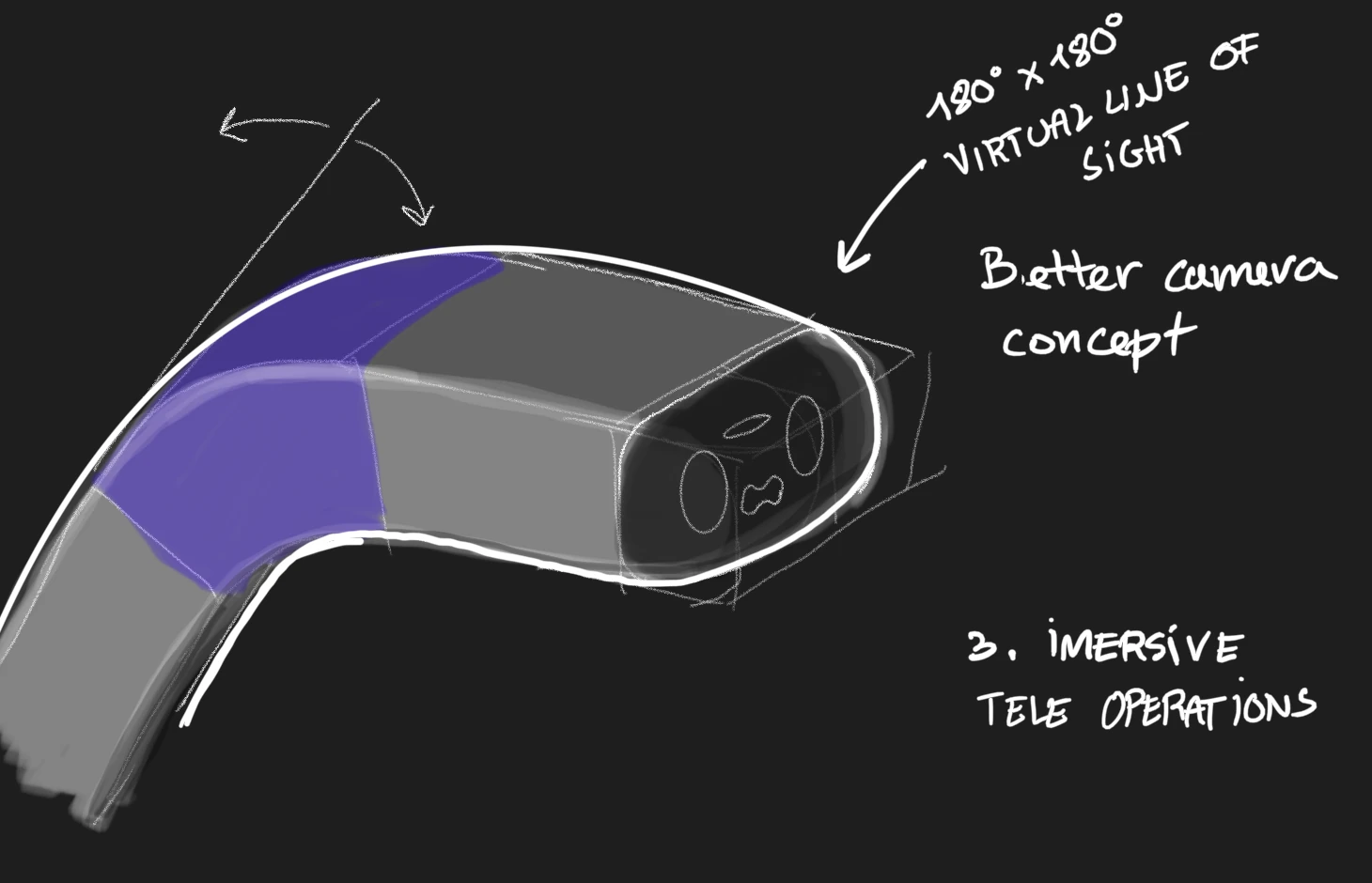
The robot would begin by having the same proportions as real humans. Giving it human-sized arms and hands would make it compatible with existing construction sites, tools, and conditions.
The timeline would likely go as follows:
- The robot would perform on-site construction being piloted by an expert nearby.
- Access to the robot remotely would be developed so that experts could pilot it in remote and dangerous locations.
- Opening access to a play-to-earn marketplace, where anyone could sell their hours of operating the robot in exchange for actual earnings. After 10k hours of playing, anyone online would likely be an expert in building homes, high-rises, overpasses, underwater ducts, etc.
Instead of risking injury and death on construction sites, individuals could operate the robots from the safety of their own homes. It would also provide a new way for individuals to use their skills and passion for gaming to earn a living.
Implementation of this solution would require a partnership between startups and existing construction companies. Startups would develop and scale the robots, while construction companies would provide the funding and resources. Both parties would also develop the training and certification programs for the people who operate the robots, which could be done using virtual simulations of the robot.
In terms of business models:
- Primary monetization through a play-to-earn marketplace, where individuals could sell their hours of operating the robots for actual earnings.
- Construction companies could be charged for using the robots, potentially at a lower rate than traditional construction labor.
From a financial perspective, this solution has the potential to save construction companies significant amounts of money in labor costs. It would also provide a new revenue stream for startups and individuals operating the robots.
The path to complete automation
Eventually, the robot would learn from its human pilots and operate autonomously, allowing for even more efficient and cost-effective construction.
Working in unpredictable environments is a very complex task to train robotic AIs. By copying humans, the learning speeds of these bots would grow exponentially.
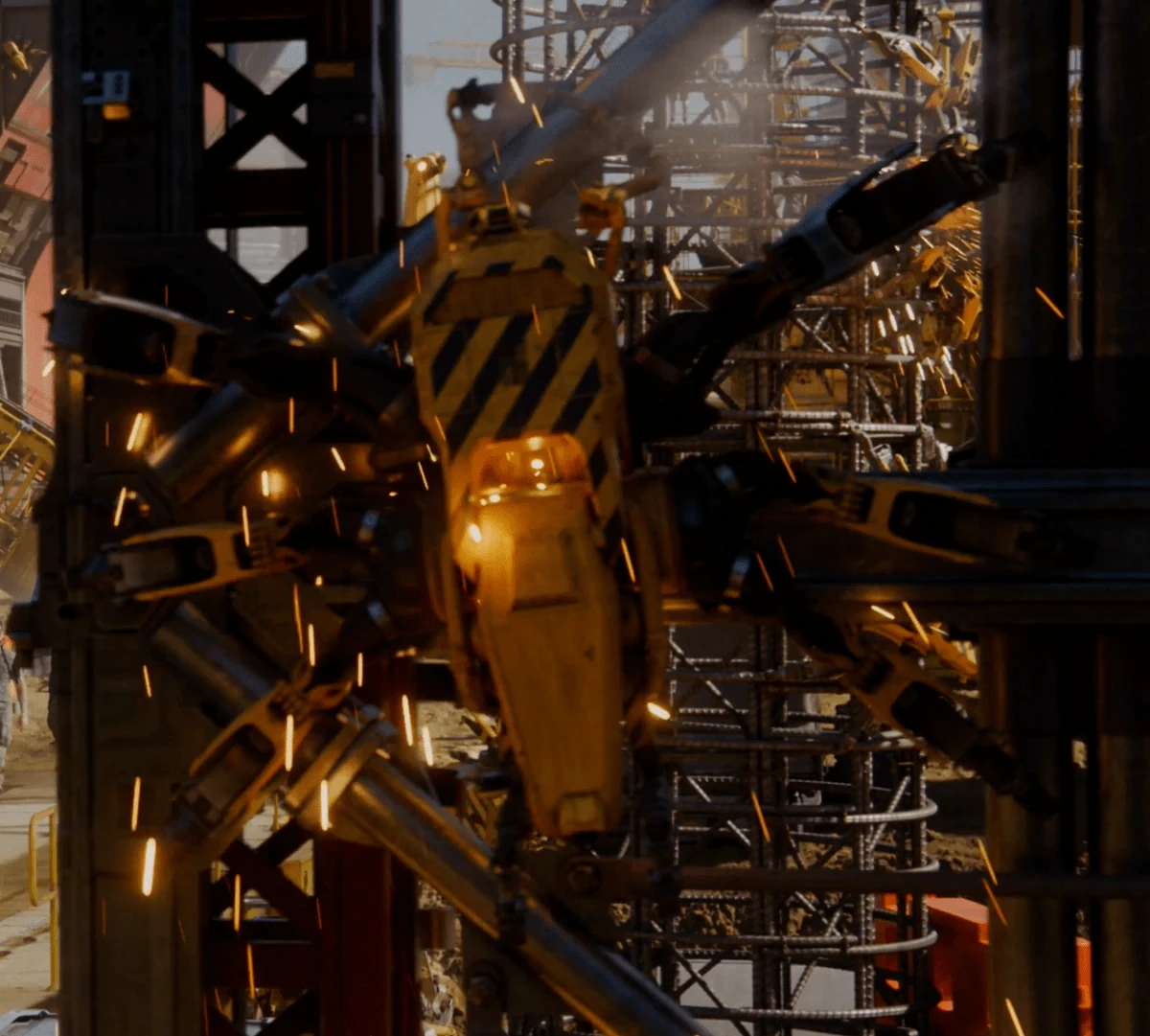
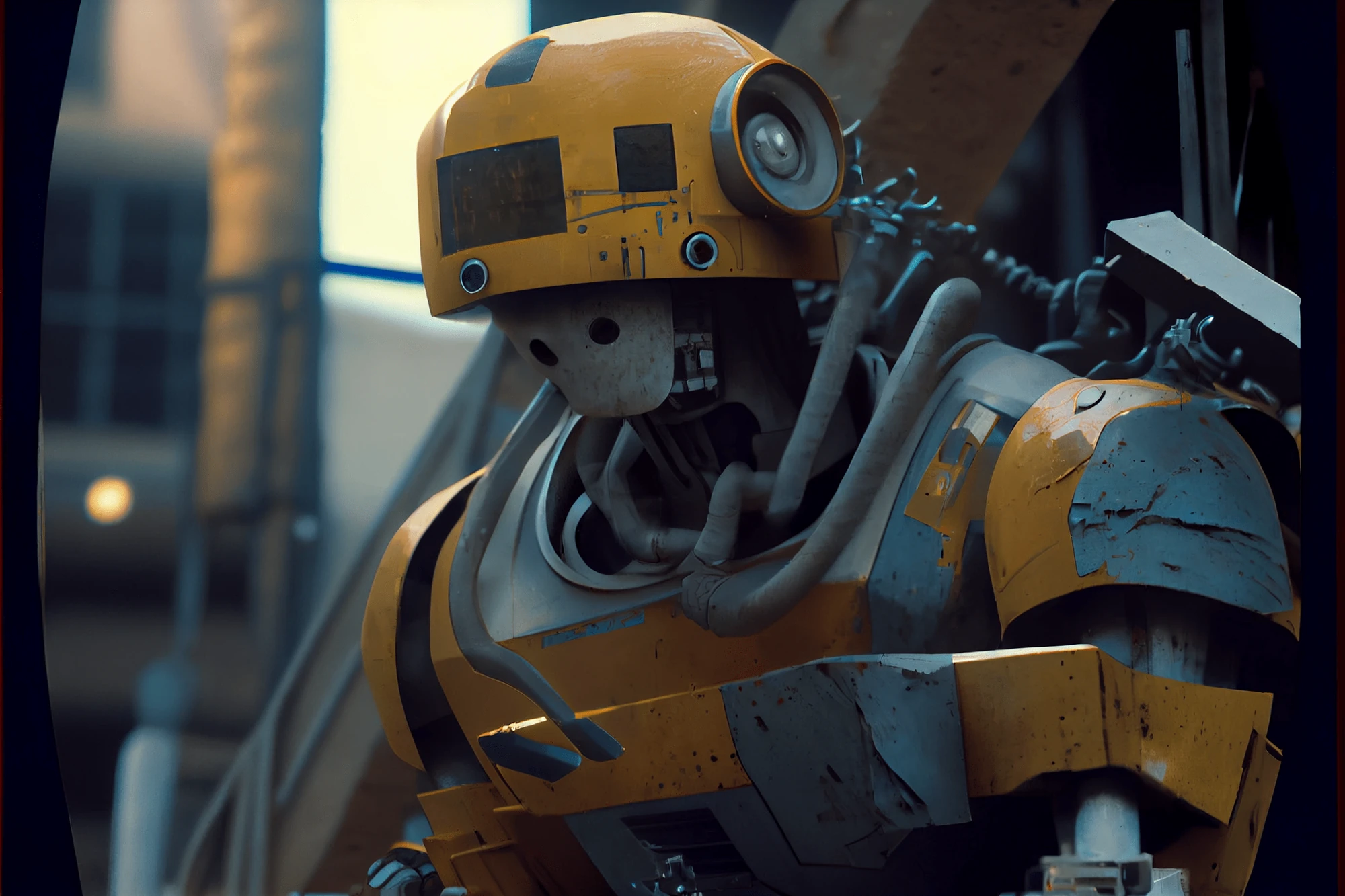
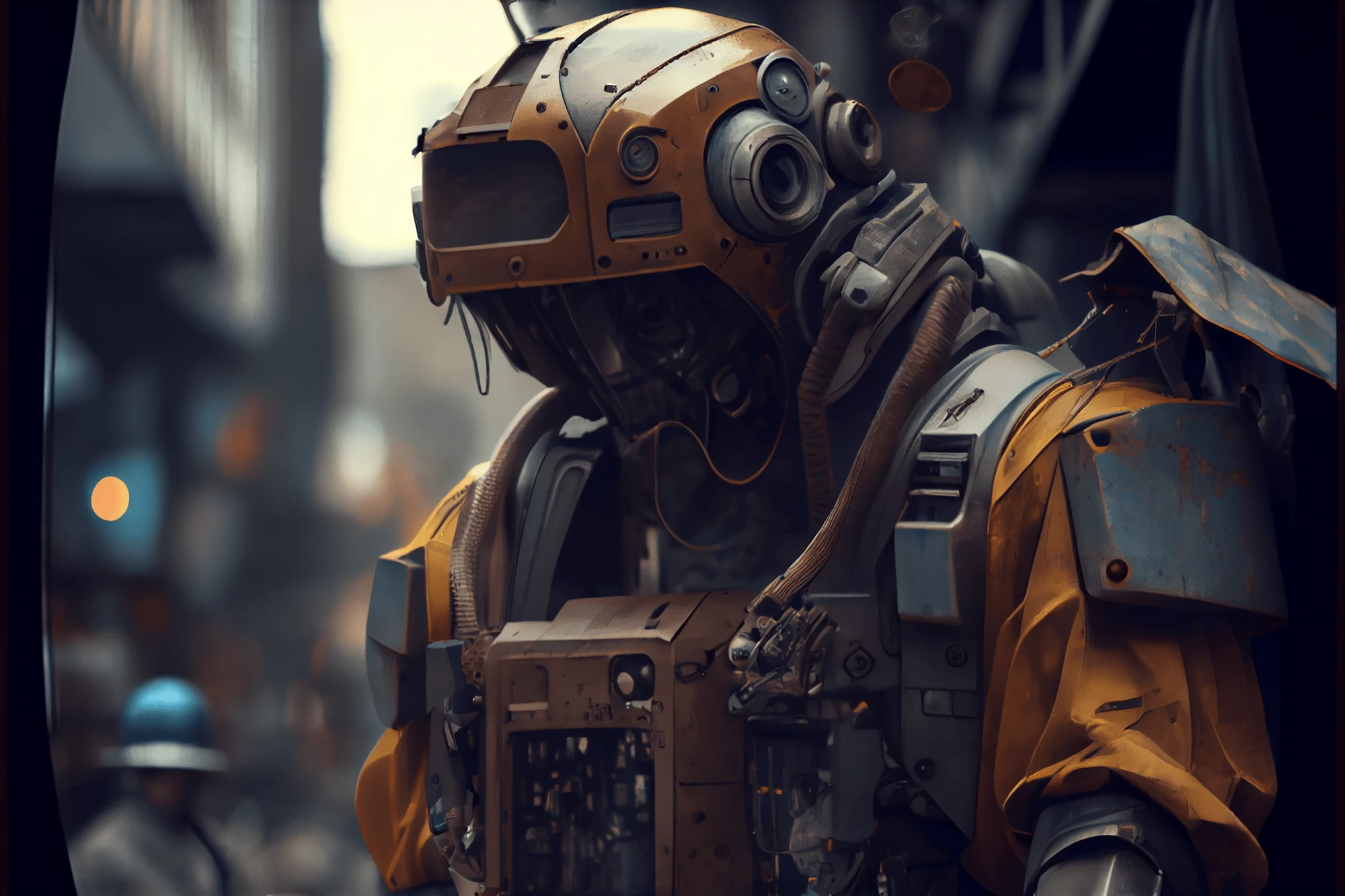
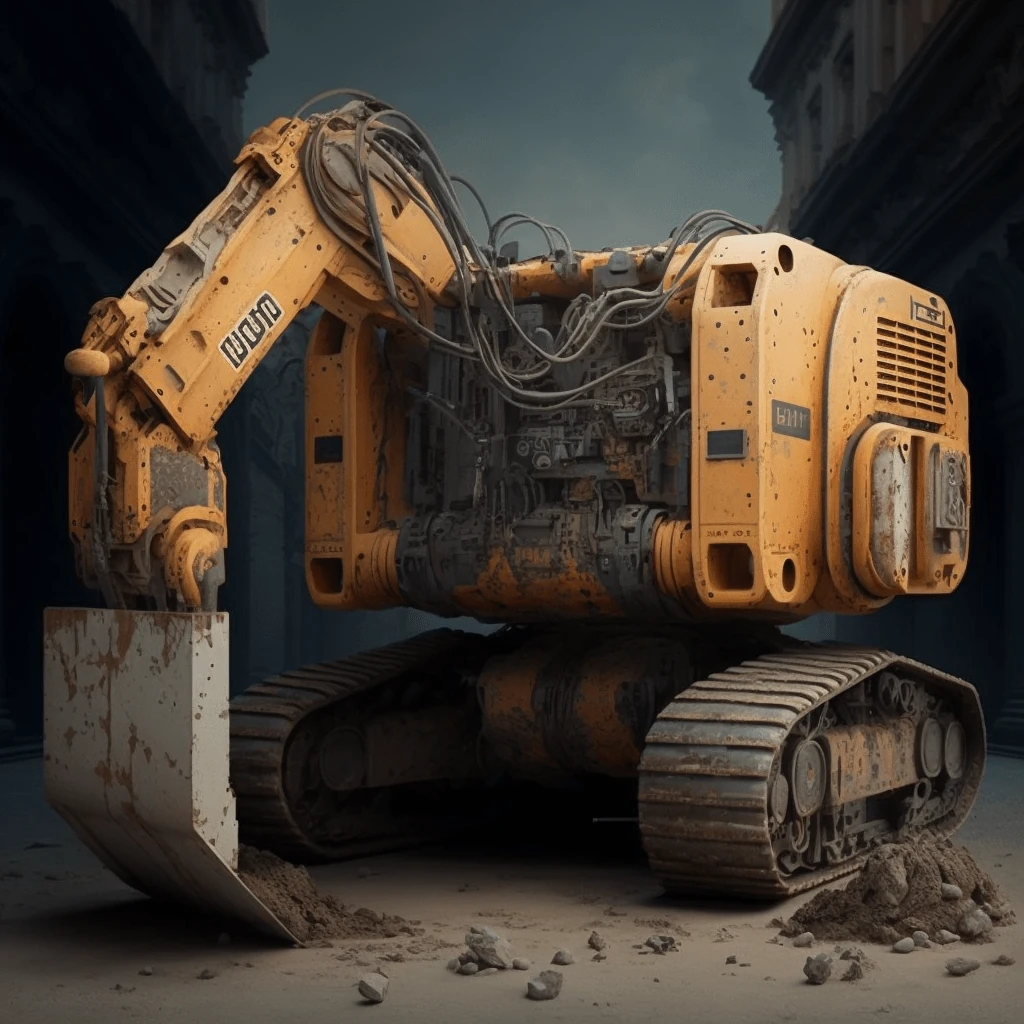
Before AI for construction is fully formed, Avatar bots can be deployed, and not only dwell in construction sites but especially in dangerous environments where human-level skills are needed.
However the question remains: is it worth developing these avatars at all, as they will be unnecessary when automated construction robots are developed?
Examples of companies working in construction robots
| Company Name | Description | Products | Country |
|---|---|---|---|
| ABB Robotics | One of the world’s leading robotics and machine automation suppliers. | N/A | Switzerland |
| Advanced Construction Robotics | Builds autonomous robots that tie and place rebar on bridge decks. | TyBOT, the autonomous rebar-tying robot, and IronBOT, a rebar-placing robot | USA |
| Align Robotics | An Australian robotics company established in 2017. | AutoMARK and TerraMARK | Australia |
| ANYbotics AG | Serves industrial operators with automated robotic inspections to support their efforts in monitoring and maintaining their plants. | ANYmal robot | Switzerland |
| Baubot GmbH | Develops fully mobile robotic systems for construction sites, for tasks such as drilling, grinding, and welding. | BAUBOT MRS5 and BAUBOT MRS12 | Austria |
| Bimprinter | Develops full robotic high definition plotters for tracing at laser millimeter accuracy. | BIMPRINTER® | Belgium |
| Blue Ocean Robotics | Develops, produces, and sells professional service robots primarily in healthcare, hospitality, construction and agriculture. | UVD Robots, GoBe Robots, PTR Robots, etc. | Denmark |
| Boston Dynamics | Develops a mobile robot designed for sensing, inspection, and remote operation. | Spot | USA |
| Brokk AB | Produces electric demolition robots with a three-part arm system and powerful attachments. | Brokk 110, Brokk 170, and Brokk 200 | Sweden |
| Built Robotics | Develops autonomous construction equipment technology. | N/A | USA |
| Conjet AB | Specializes in hydrodemolition equipment and robotic solutions. | ACR hydrodemolition robots (7-Series) | Sweden |
| Fastbrick Robotics | Develops robotic bricklaying technology. | Hadrian X | Australia |
| KUKA AG | One of the world's leading suppliers of robots and automation systems. | Industrial and collaborative robots | Germany |
| Manitou Group | Produces construction equipment and specializes in telehandler technology. | Telehandlers and autonomous warehouse handling machines developed with Effidence | France |
| RCT | Provides automation and remote control solutions for mobile equipment in the mining and construction industries. | ControlMaster remote control and automation systems | Australia |
| Trimble Inc. | A provider of advanced positioning solutions for construction, surveying, and agriculture. | Robotic total stations | USA |
| Topcon Positioning Systems | Provider of advanced positioning technology for construction, surveying, and agriculture. | Robotic total stations | USA |
| VTT Technical Research Centre of Finland | A multidisciplinary research organization that specializes in developing and applying advanced technologies for various industries, including construction. | N/A | Finland |
| Yaskawa Europe GmbH | A leading supplier of robotics and automation systems for various industries, including construction. | MOTOMAN robots | Germany |
| ZenRobotics | Develops and manufactures robotic systems for recycling and waste management, including construction waste. | Heavy Picker and Fast Picker | Finland |
References
- Gladwell, M. (2008). Outliers: The Story of Success. Little, Brown and Company.
- Intuitive Surgical, da Vinci surgical systems. intuitive.com
- National Safety Council, work-to-zero hazards in construction and installation. nsc.org
- World Bank (2019). World Development Report 2019: The Changing Nature of Work. worldbank.org
- "America desperately needs 1 million more construction workers", CNN Business, 8 July 2021. edition.cnn.com
- KPMG (2016). Employees: an endangered species? assets.kpmg
- International Labour Organization, migrant work and recruitment in construction. ilo.org