Nazaré Space Capsule
Reusable autonomous space cargo
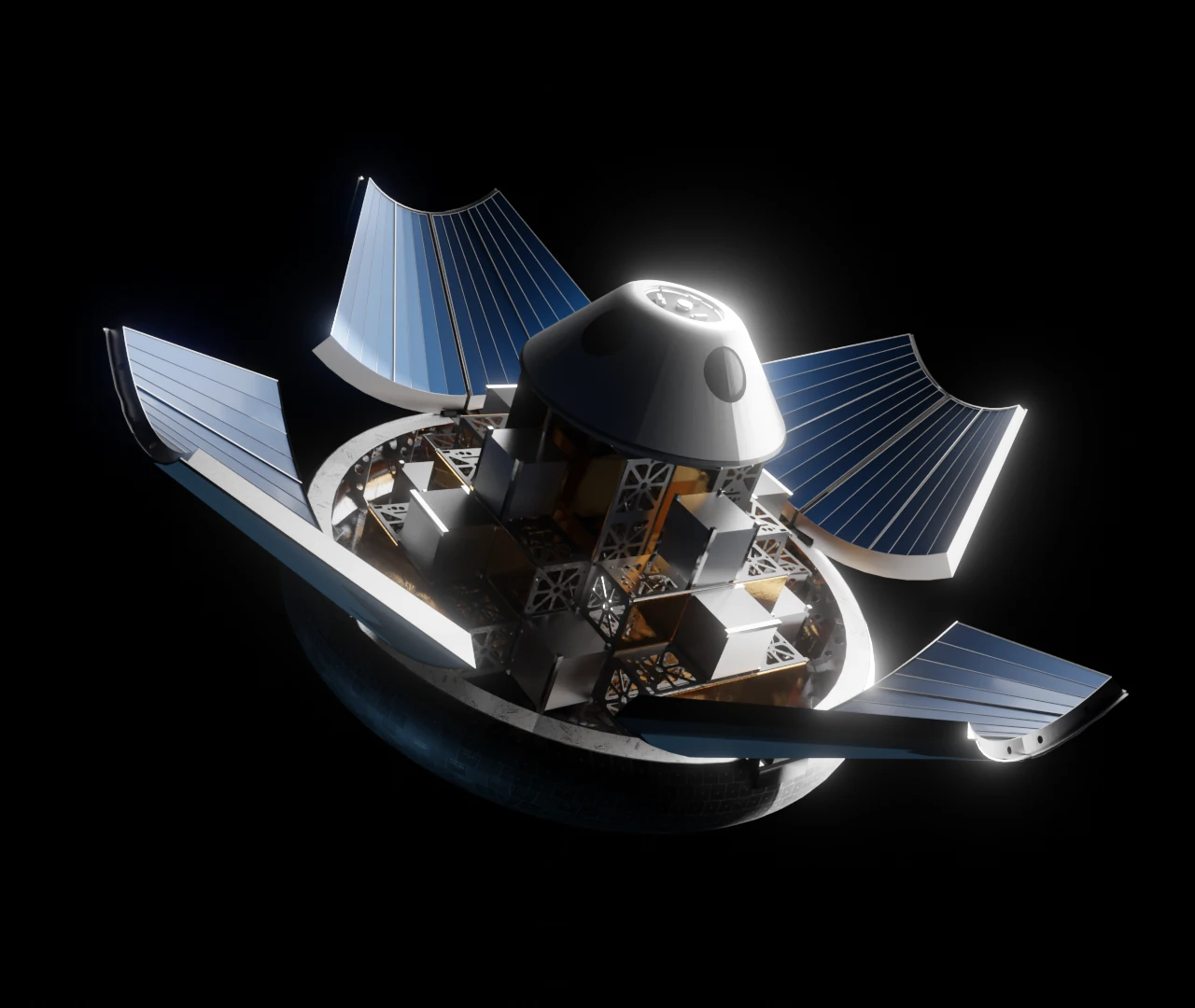
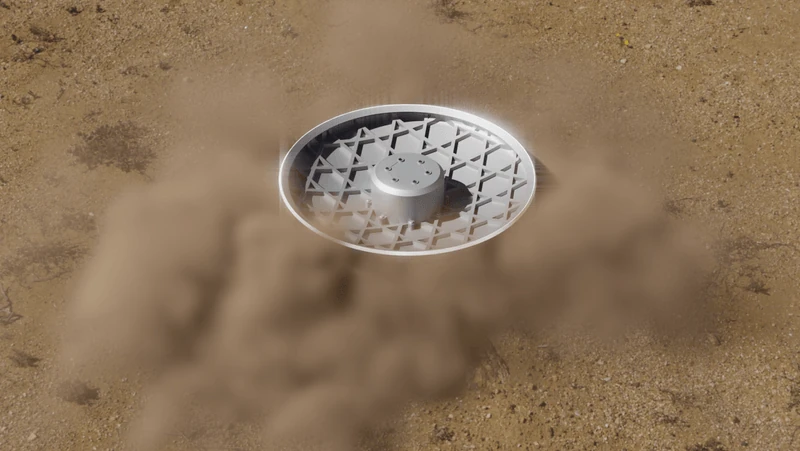
Nazaré is named after the giant waves of the Nazaré canyon in Portugal. They are the product of energy focused by an underwater ridge, and surfers from all over the world travel to ride them. The Nazaré spacecraft comes from Portuguese industry and is aimed at the world.

The down-mass challenge
Access to returnable space cargo has been reserved for a single vehicle, the Dragon capsule, as of 2022. This makes any mission that requires down-mass more expensive and rare.
The solution
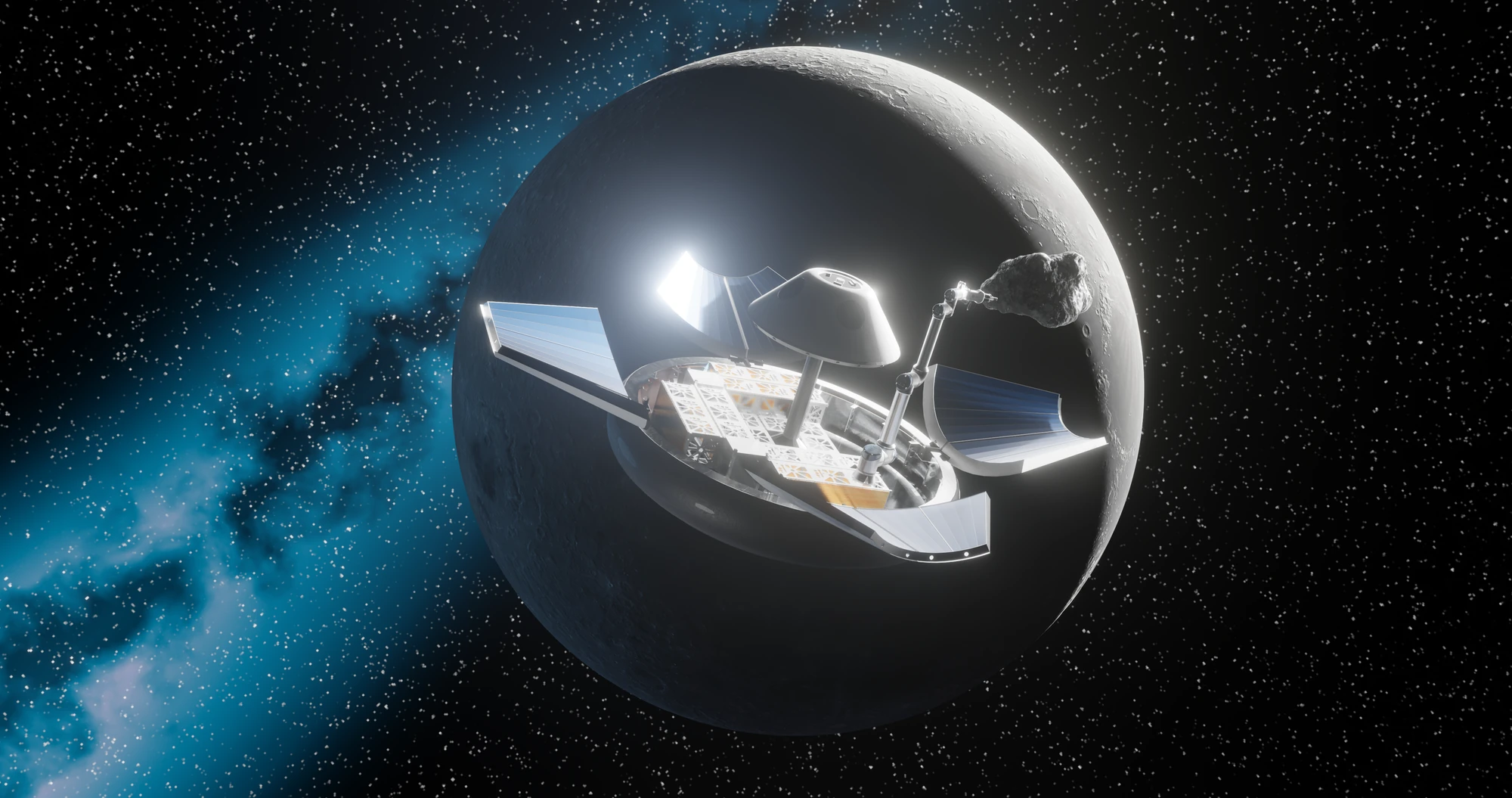
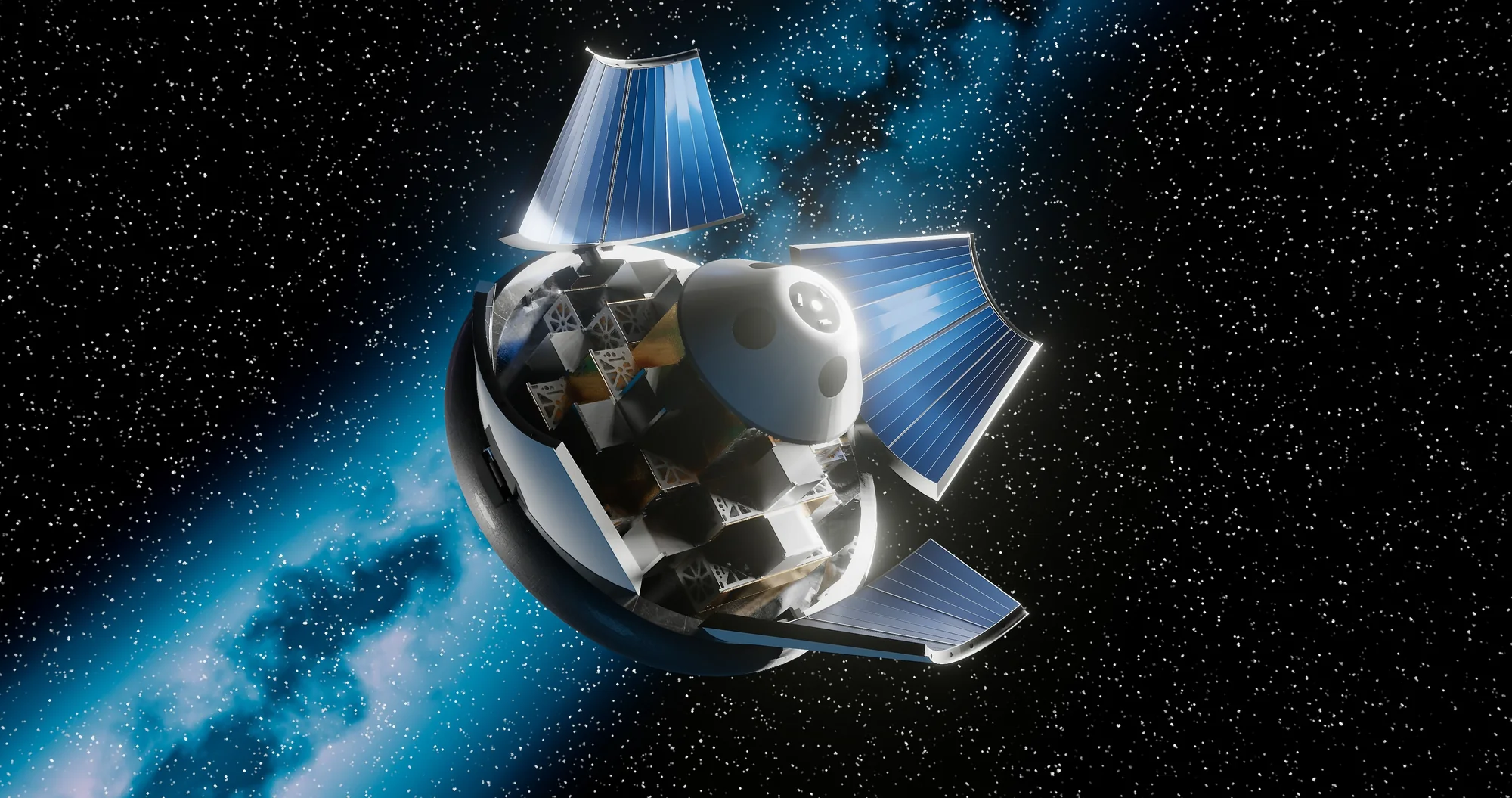
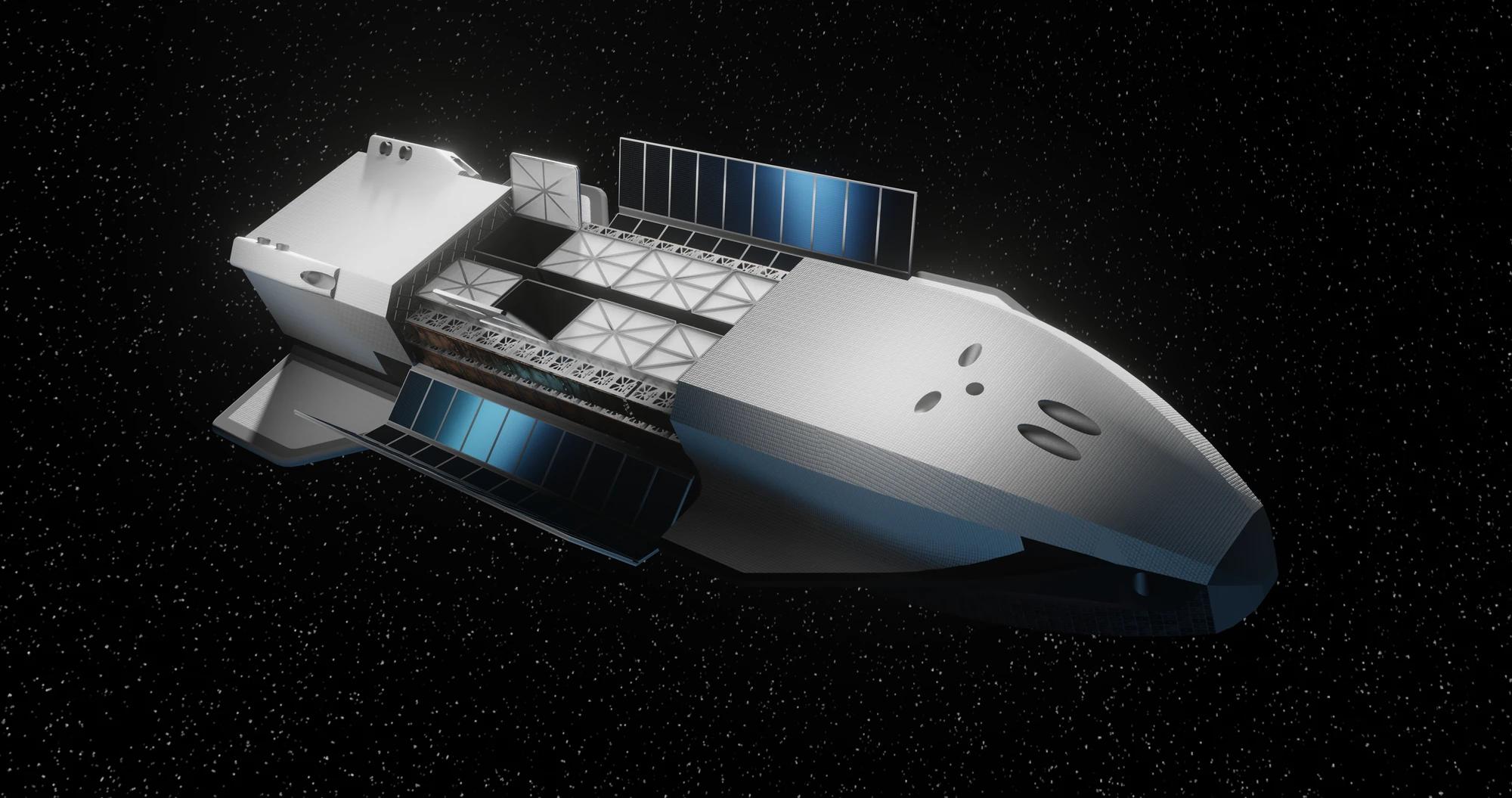
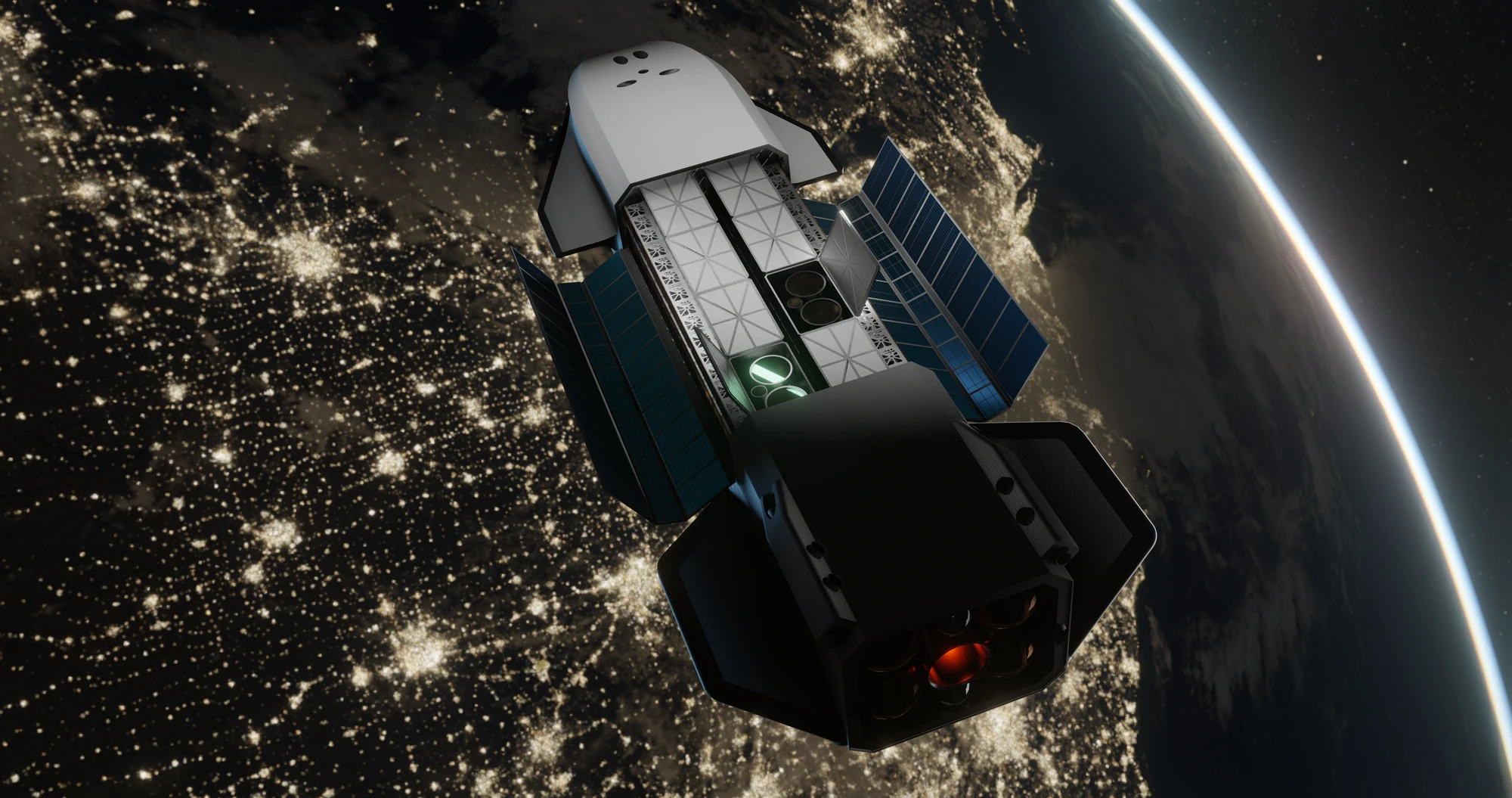
Nazaré is a single design that can fly a variety of equipment and mission types.
… even with all the diversity among these [launch] companies, one thing seems to be being overlooked. What about downmass?
Dylan Taylor, Chairman and CEO, Voyager Space
Fully reusable space platform
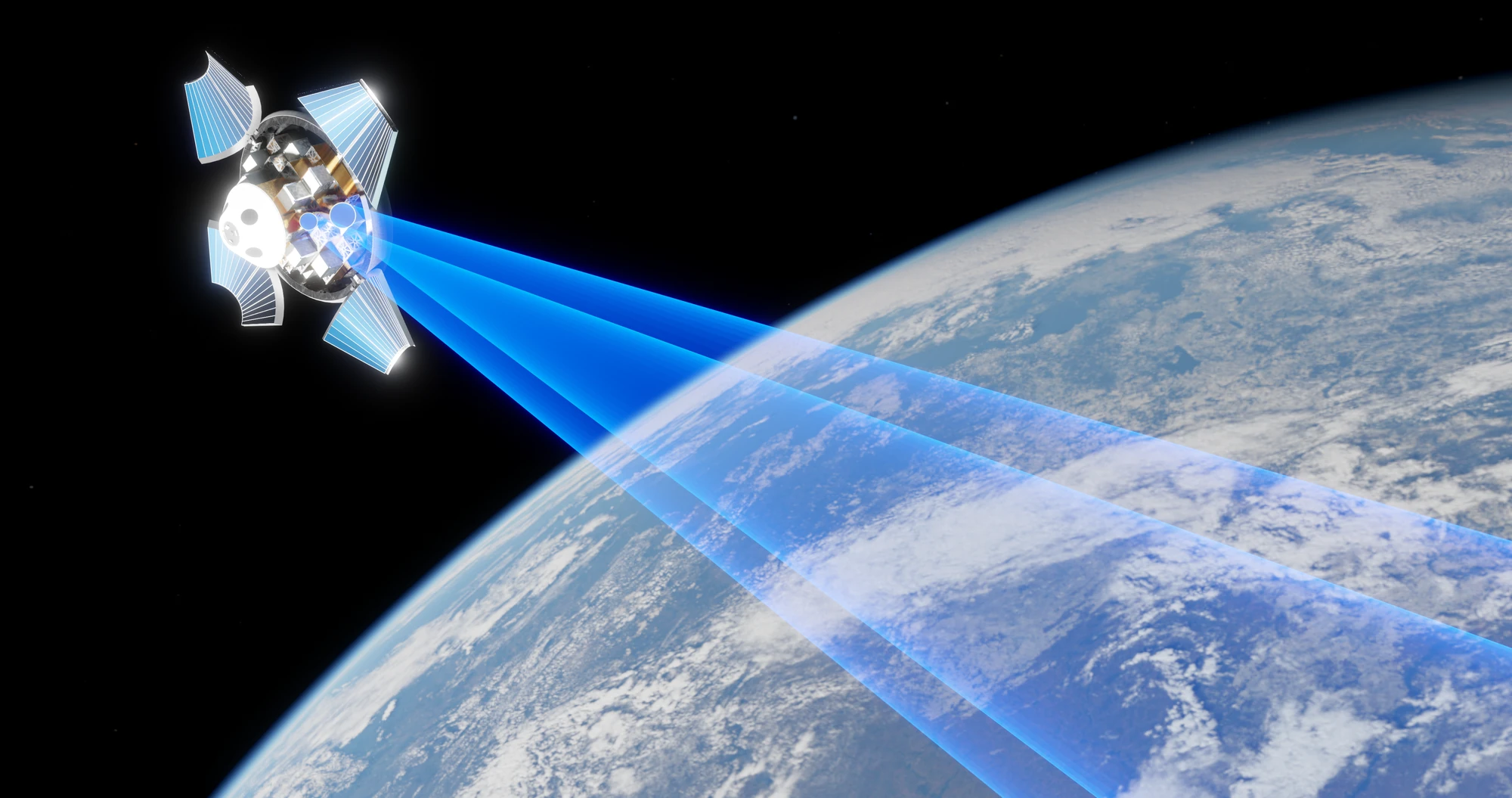
Besides returning from space, Nazaré reflies all of its systems, which saves cost and increases response speed. It is the dedicated platform for:
- Earth observation
- Microgravity experiments
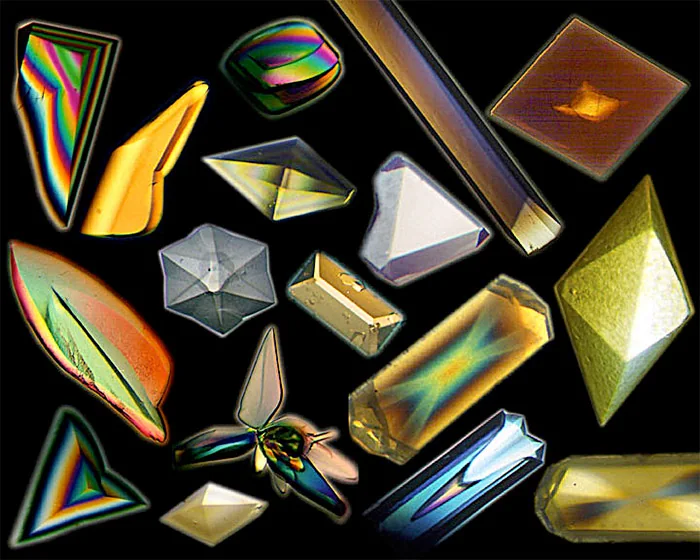
- In-space manufacturing
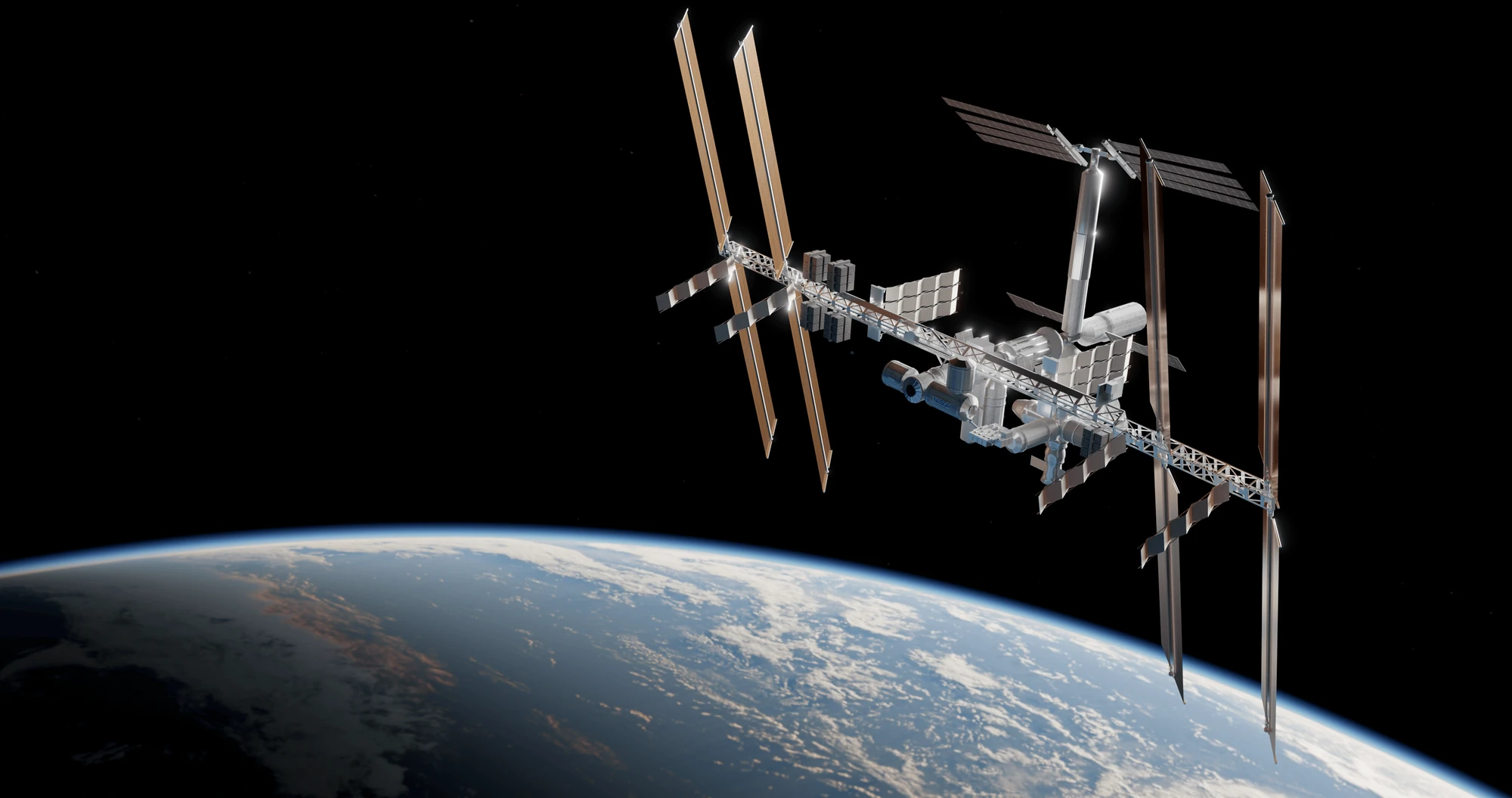
- Recovering space assets and products
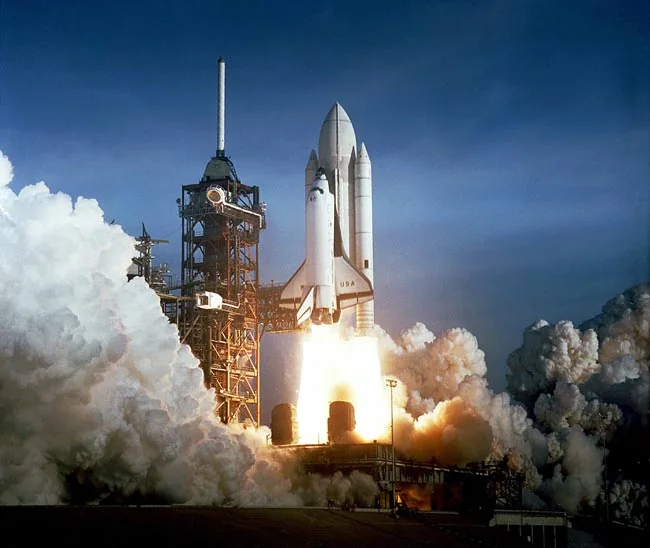
A concept of operations reminiscent of the Space Shuttle
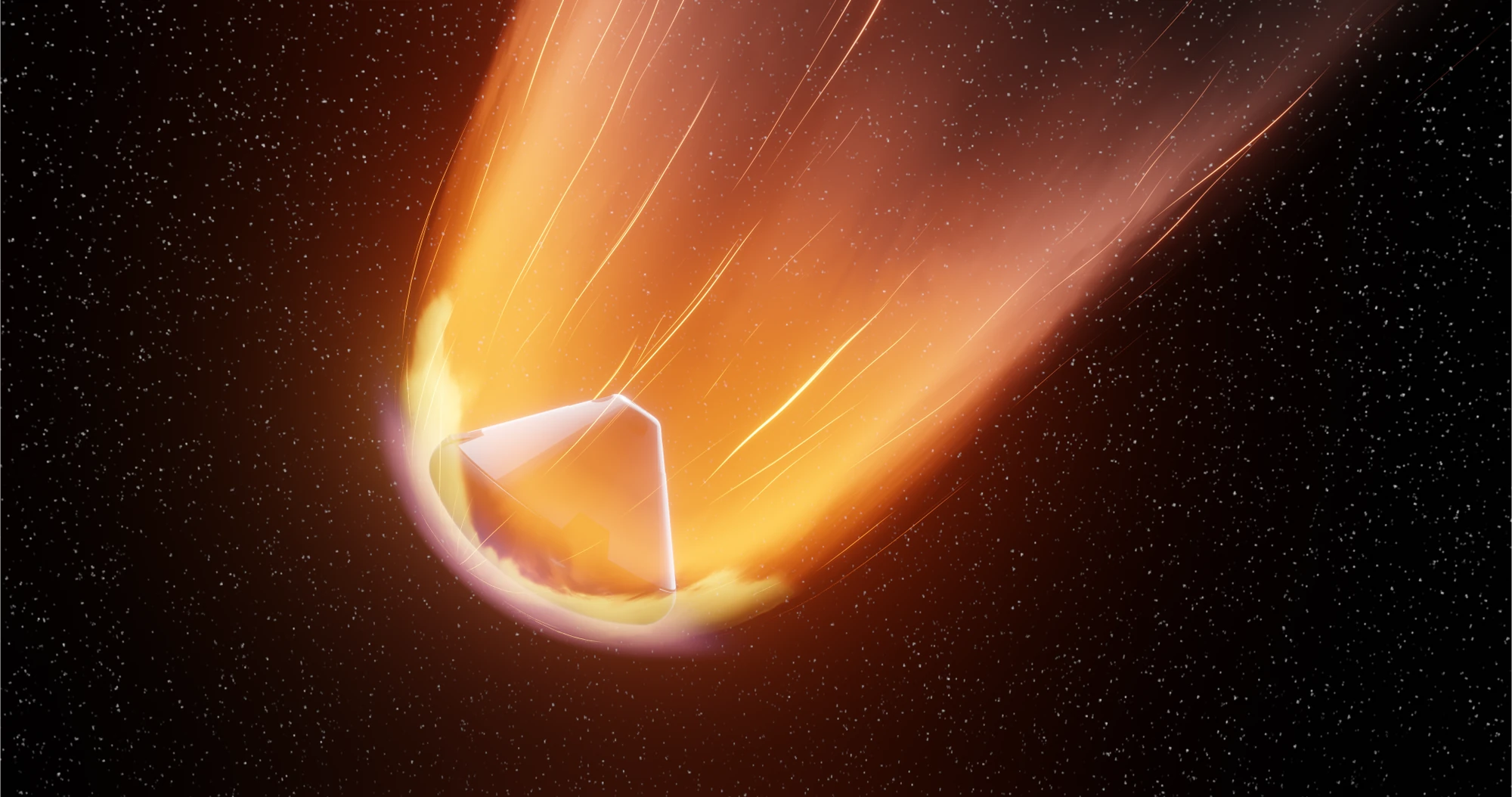
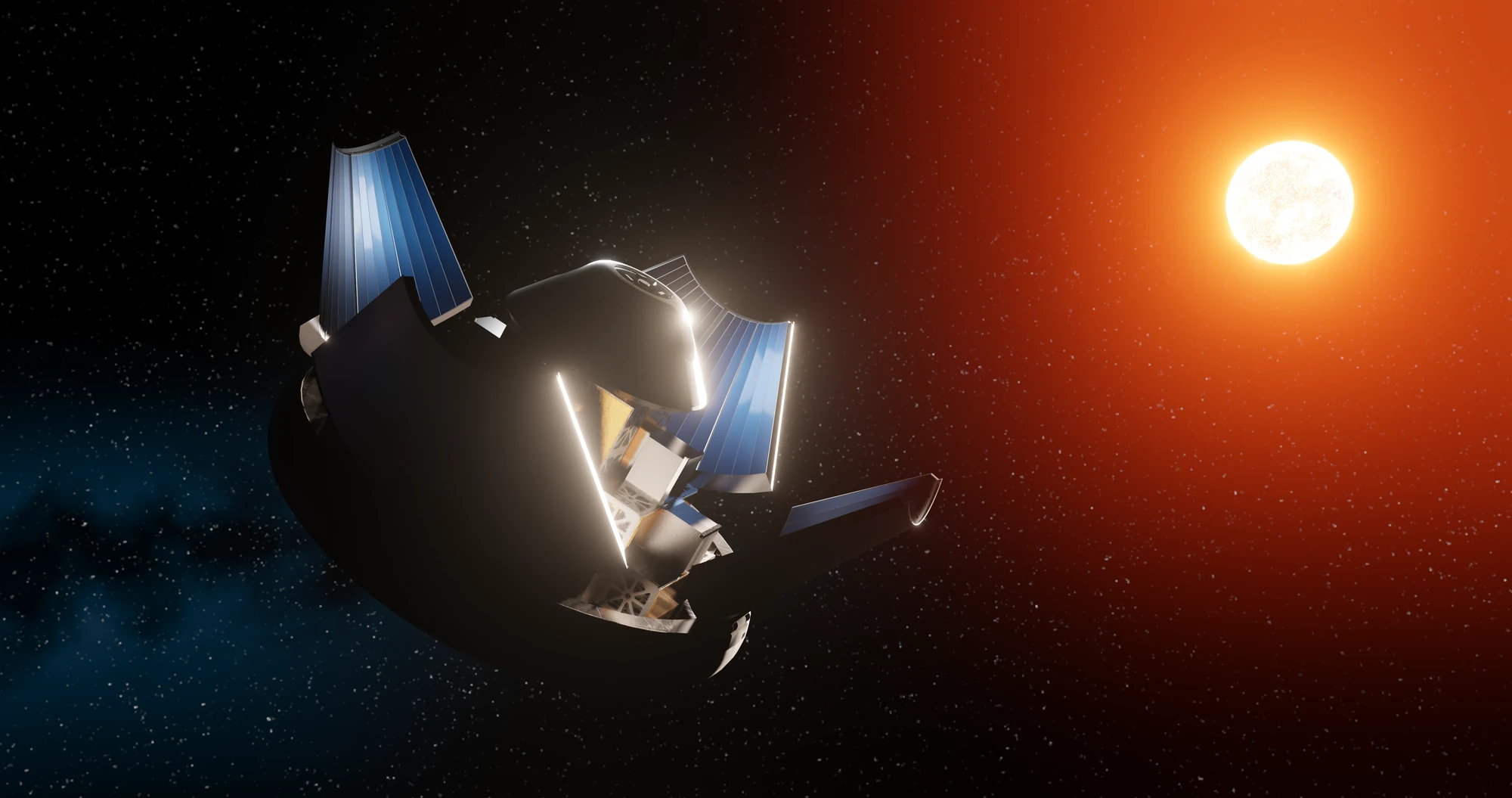
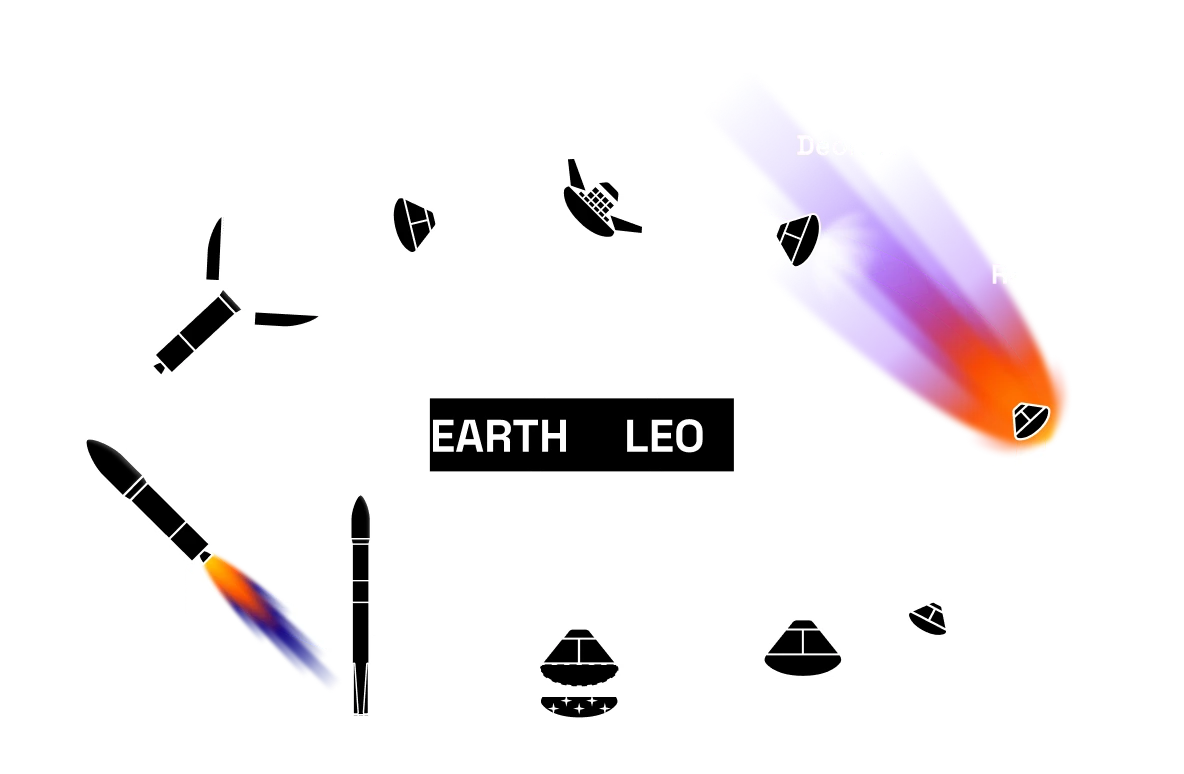
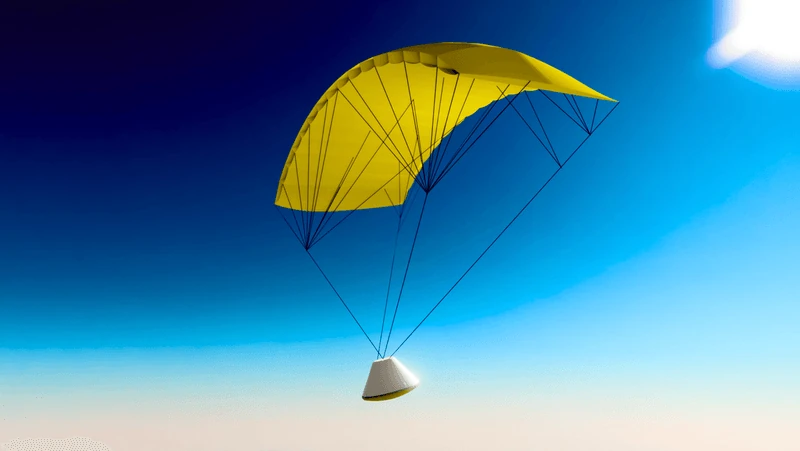
With Nazaré, access to space becomes a reusable logistical system, with vehicles that can be deployed from any launch provider and recovered on land.
In-space manufacturing

Main advantages of Nazaré
Recovering mass from space is nothing new: every crewed mission has done it. Landing precisely, using cheap materials and being easy to refurbish have always been the hard problems. Nazaré addresses them in one architecture.

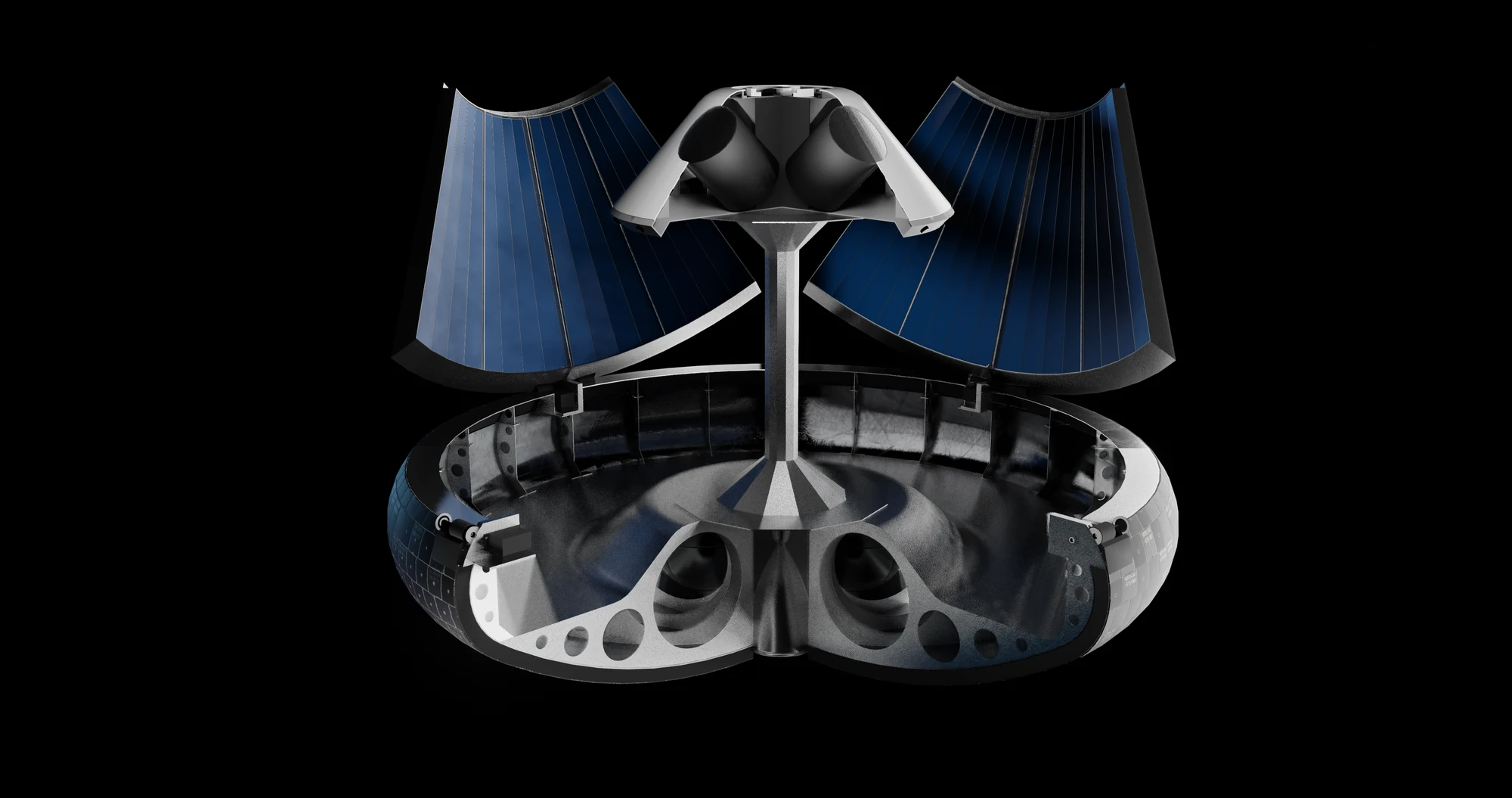
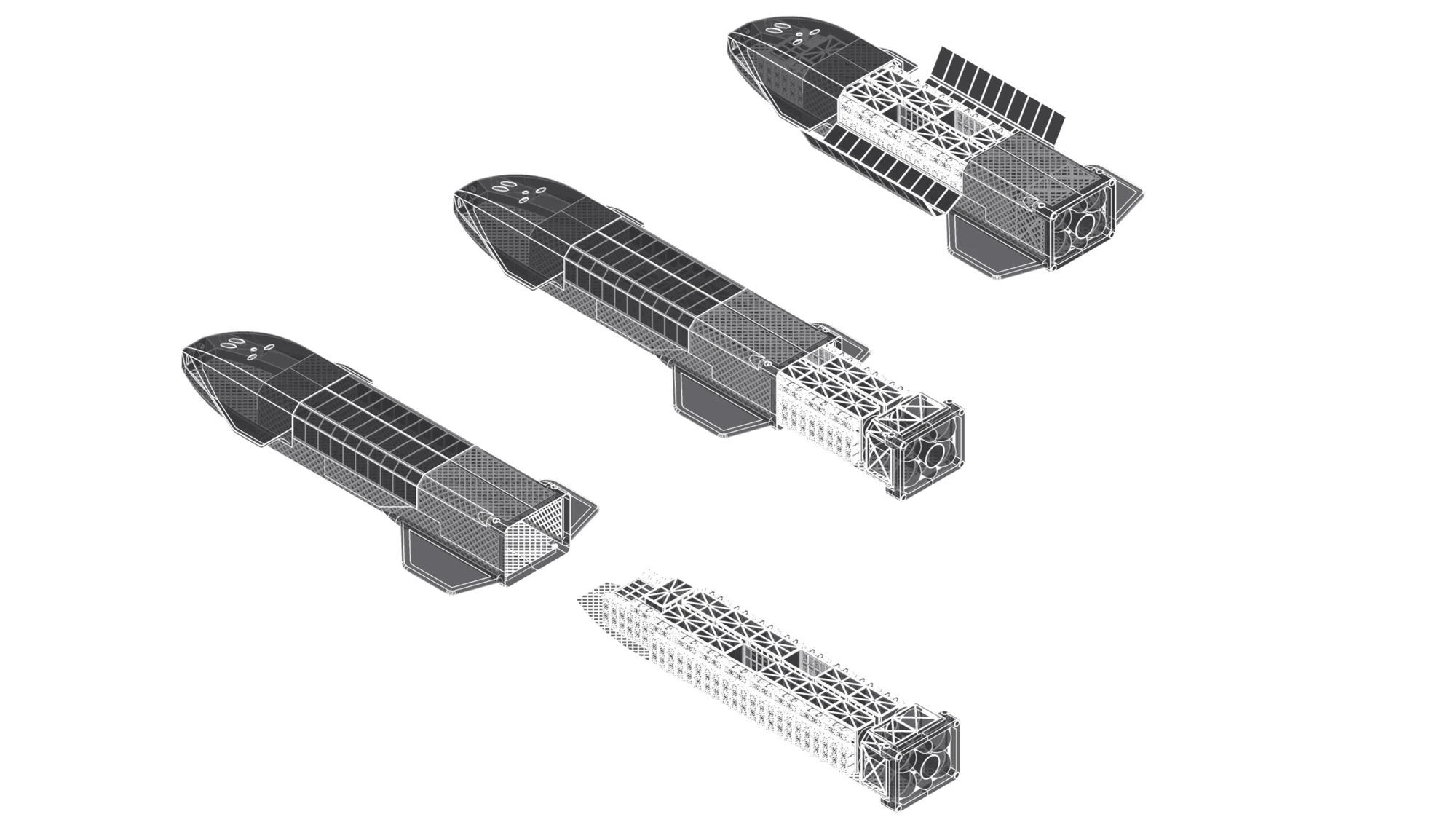
Technical drawings
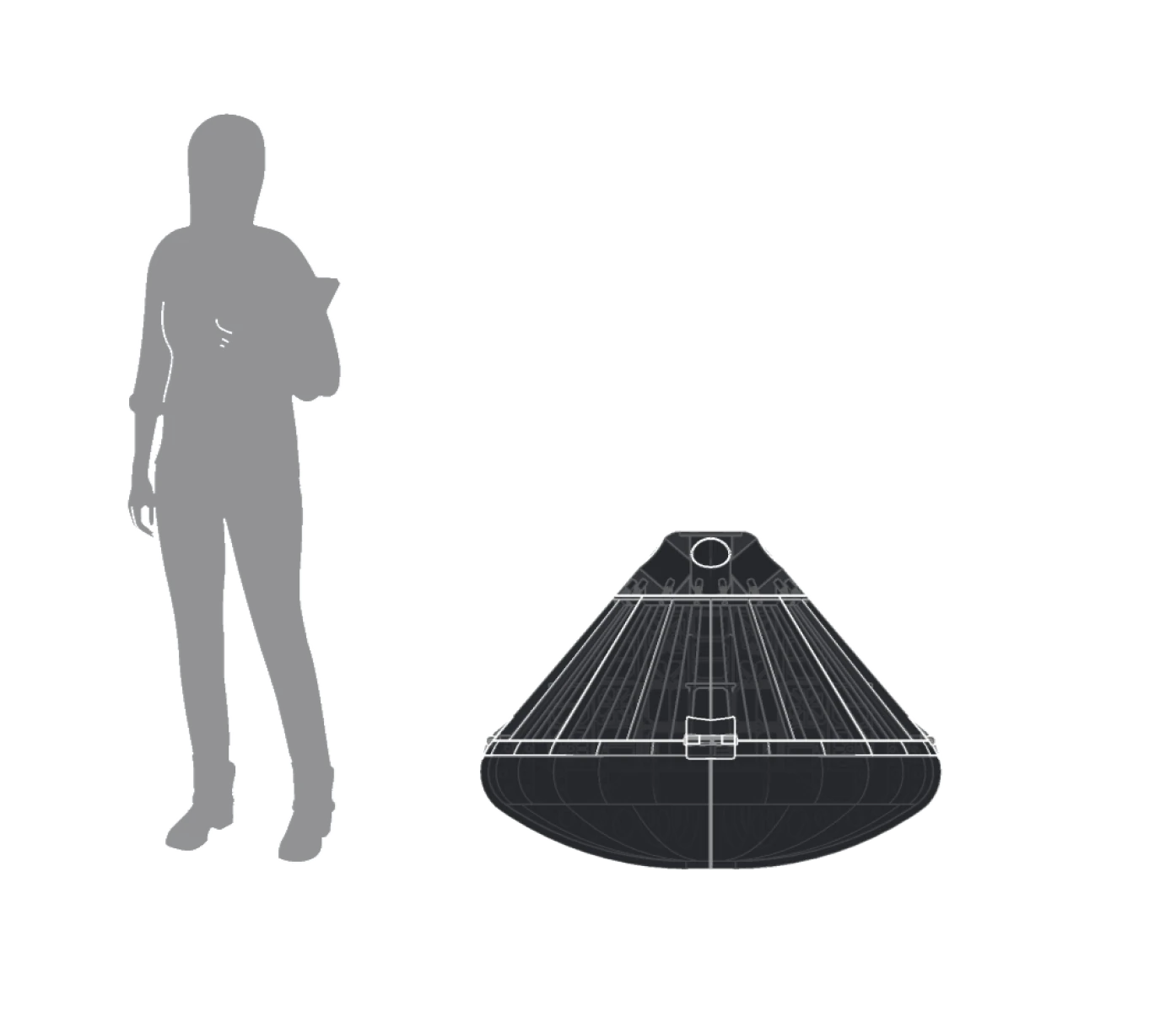
Dimensions
- Total mass
- 420 kg (100%)
- Empty mass
- 100 kg (24%)
- Payload mass
- 320 kg (76%)
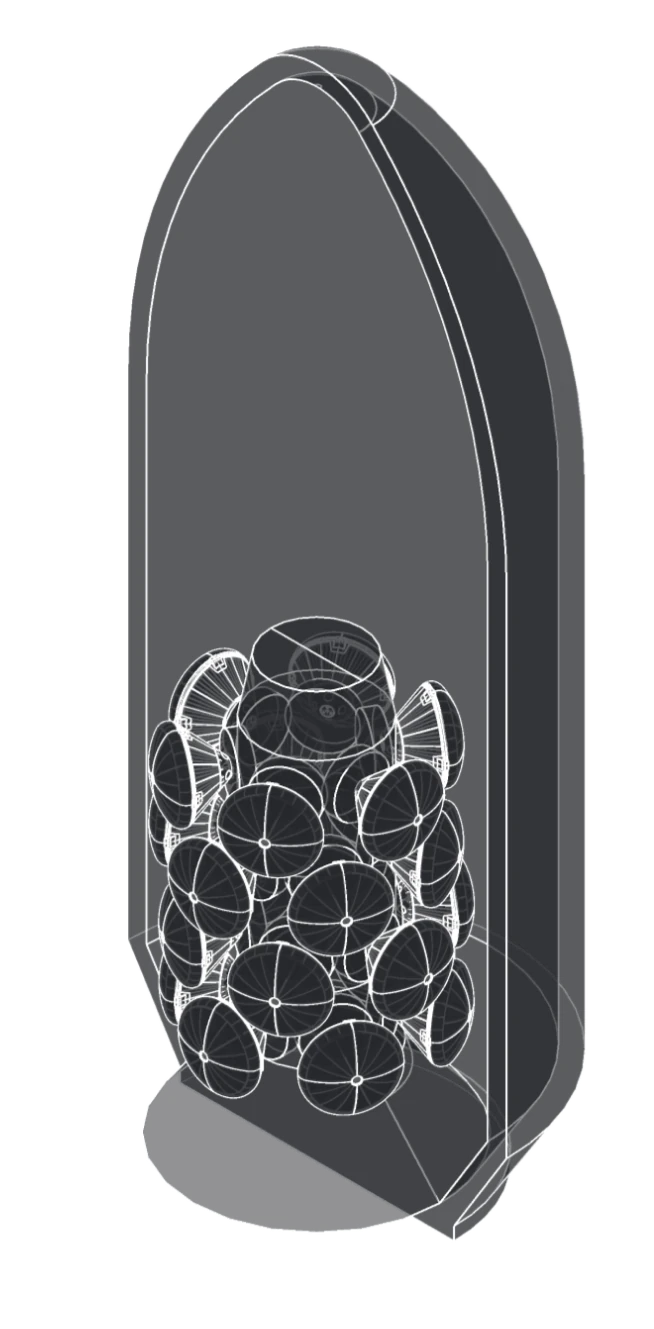
Normal ride-share mission
- Max vehicles
- 24
- Payload mass
- 7,680 kg
- Total mass
- 10,080 kg
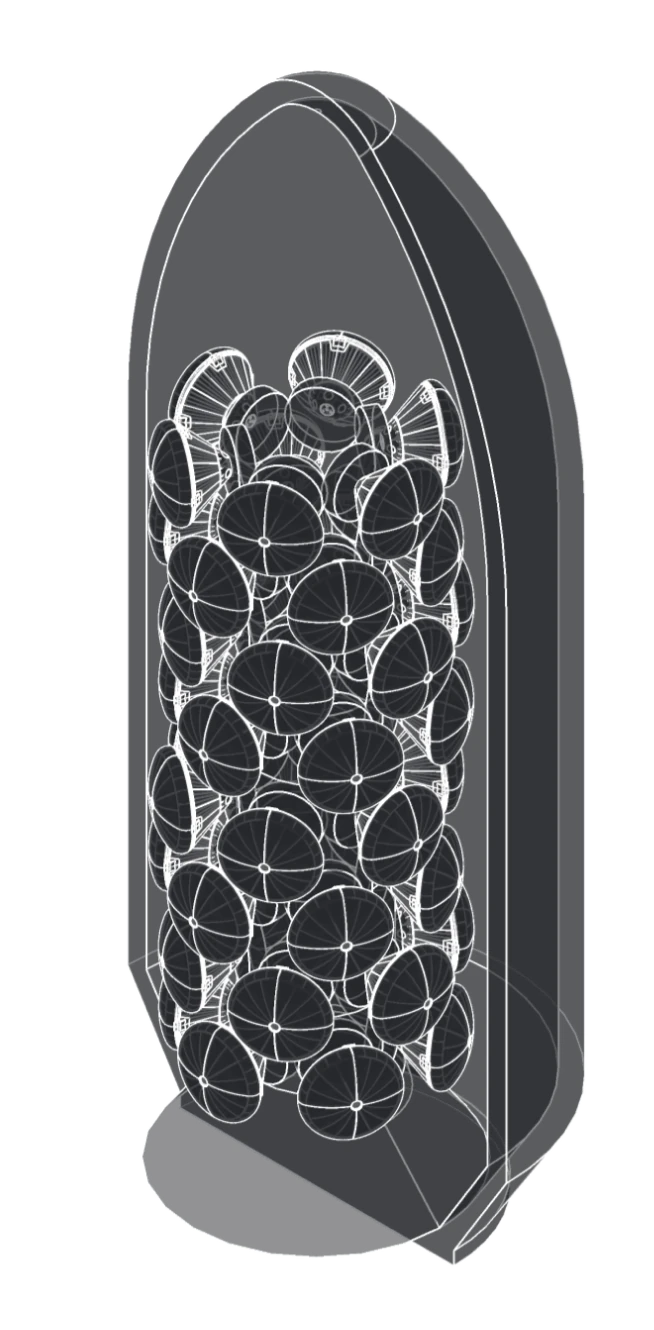
Expanded ride-share mission
- Max vehicles
- 48
- Payload mass
- 15,360 kg
- Total mass
- 20,160 kg
3D-printable model
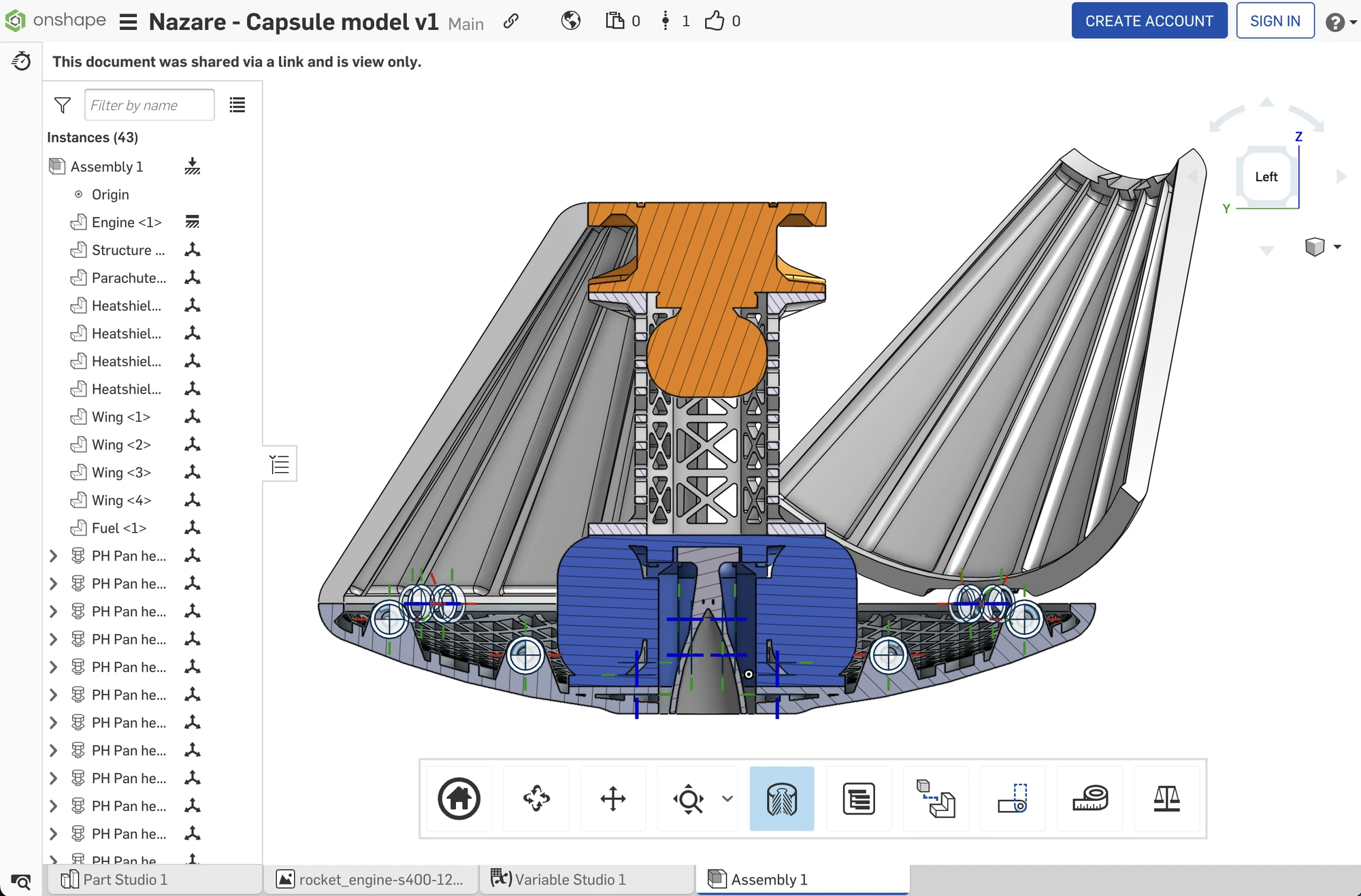
The model I made for structural tests, 20 cm wide, which is 1/5 scale, is on Onshape. You are welcome to take it and improve on it, and I am glad to answer questions about it.
Version 2, codename Maverick
Designed to increase the ratio of payload mass to total mass and reduce the cost of inter-mission logistics, Maverick presents a new challenge: fly large payloads and keep them in orbit for longer periods while reducing the overall mass budget.
Gallery