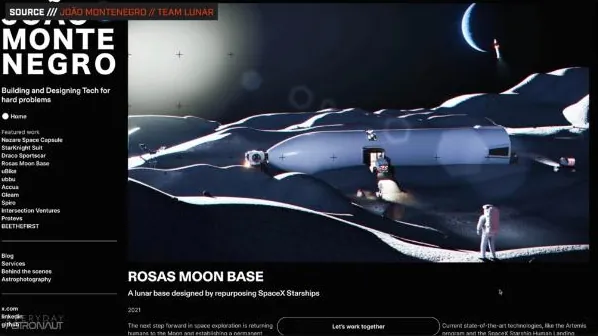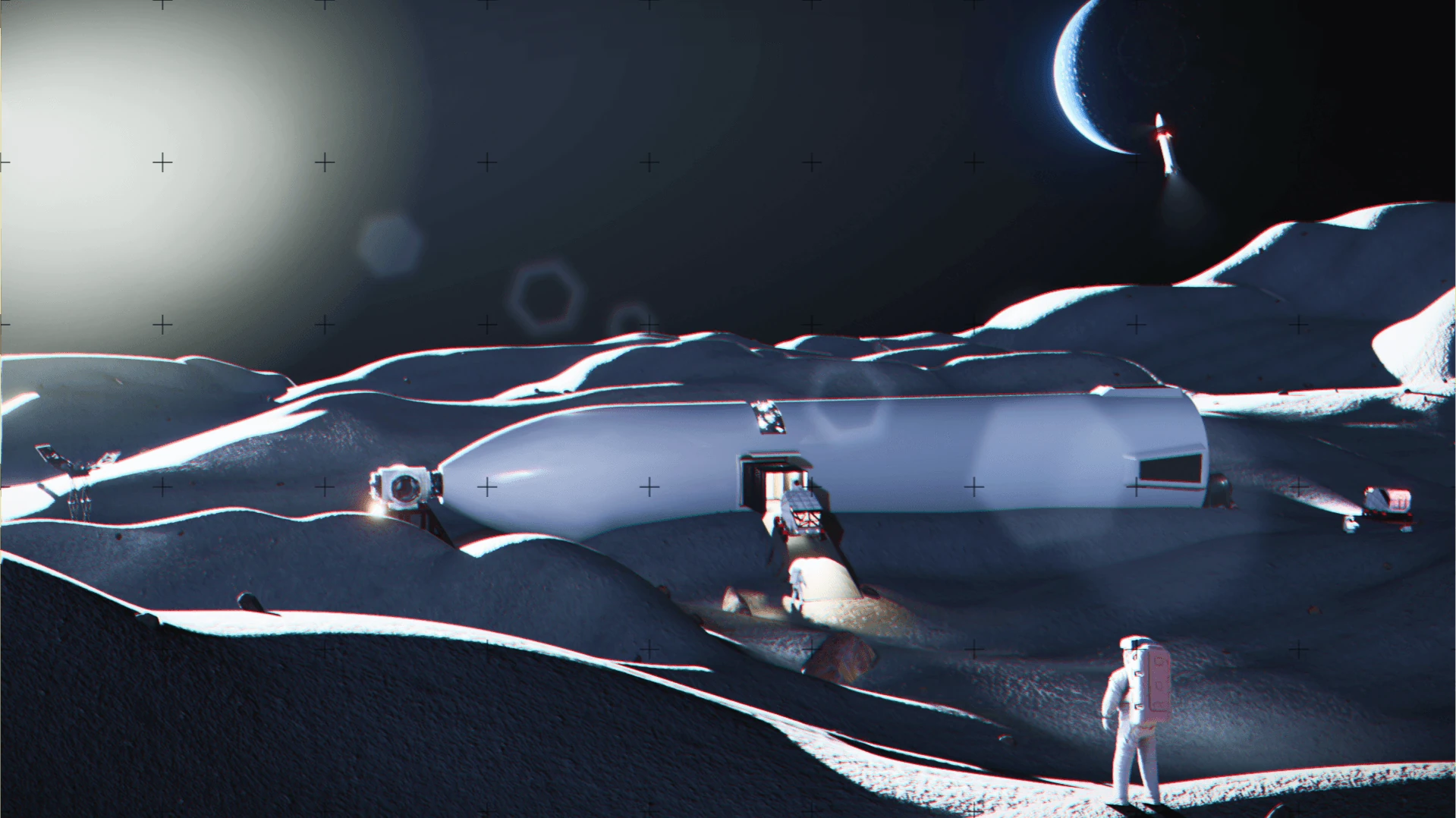
Rosas Moon Base
A lunar base built from repurposed SpaceX Starships

“This will be so awesome 🤩”
Elon Musk on X, 9 February 2026, quoting a post about the ISU team's Starship lunar base
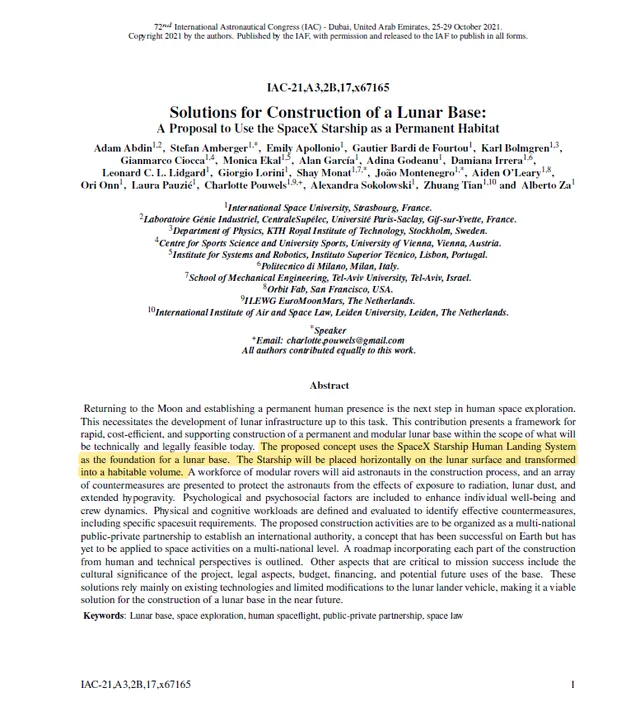
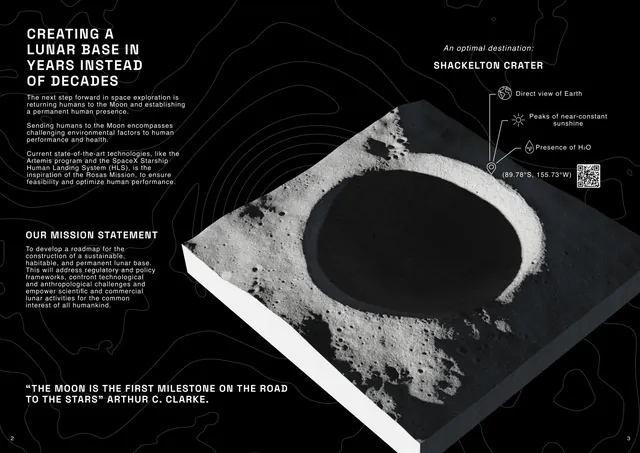
The next step forward in space exploration is returning humans to the Moon and establishing a permanent human presence.
Sending humans to the Moon means facing an environment that is hard on both human performance and human health.
Current state-of-the-art technologies, like the Artemis program and the SpaceX Starship Human Landing System (HLS), are the inspiration for the Rosas mission, and keep it feasible.
"The Moon is the first milestone on the road to the stars"
Arthur C. Clarke
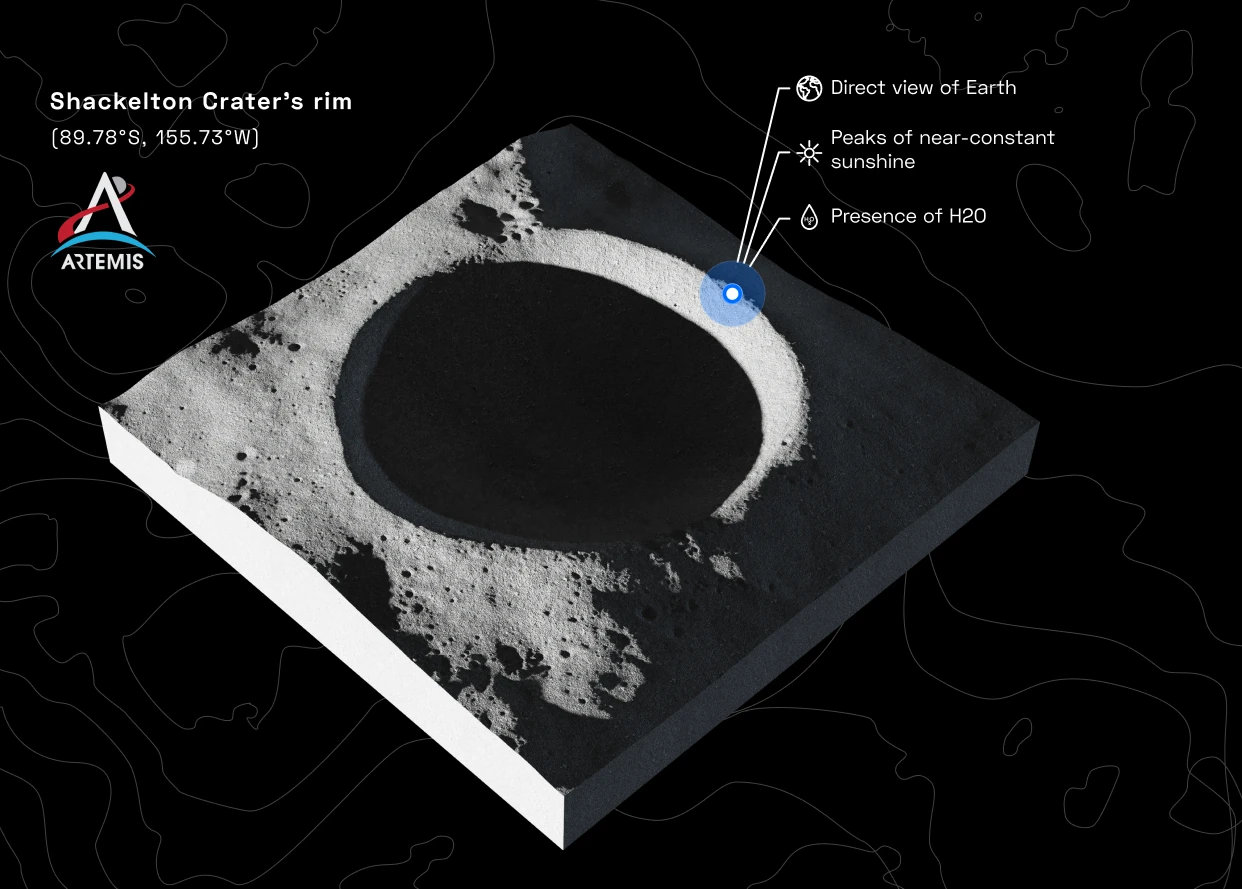
The pains of building a lunar base
1973: The Saturn V and the explored Saturn Workshop, best known as Skylab:
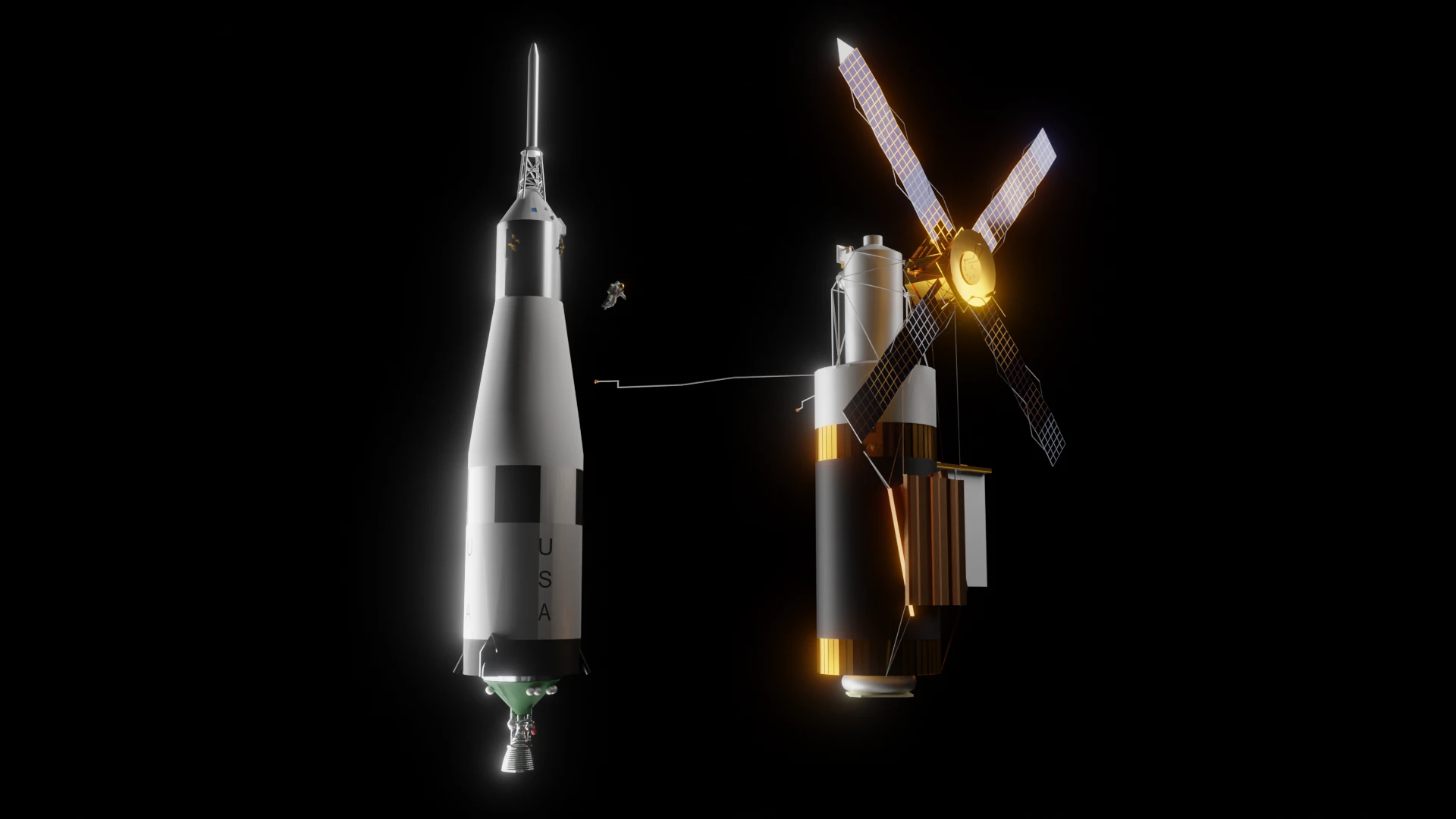
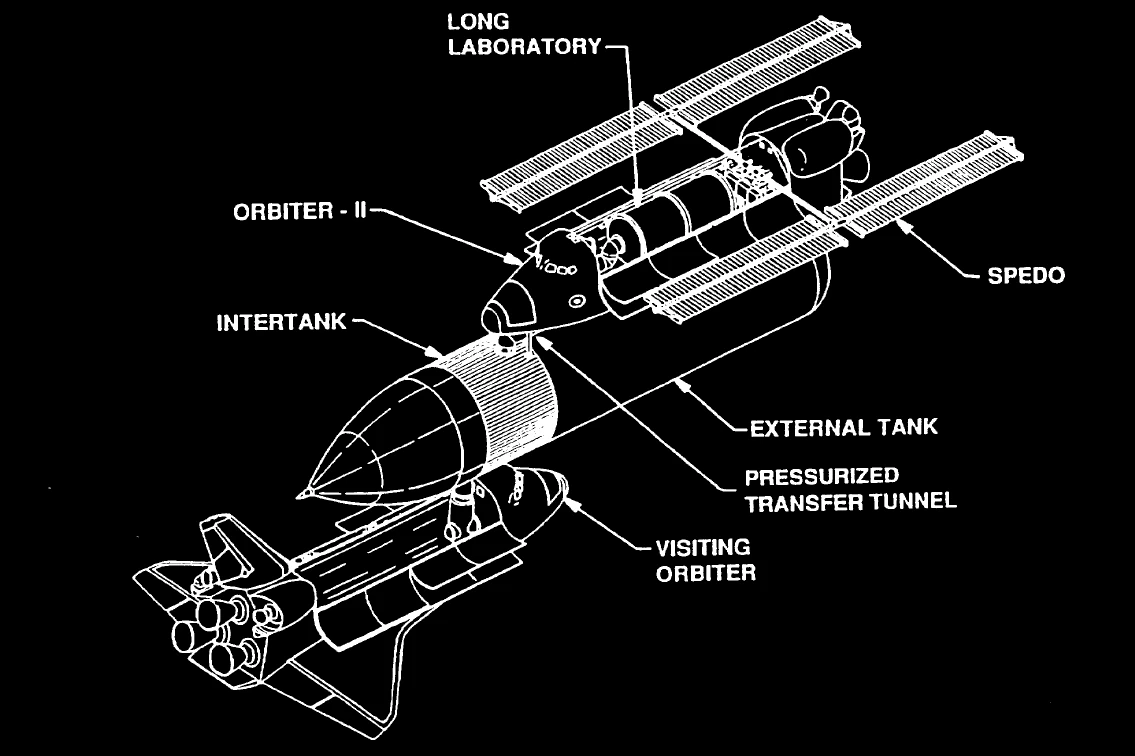
1992: STS-Lab Space station Concept (Ware and Culbertson, 1992):
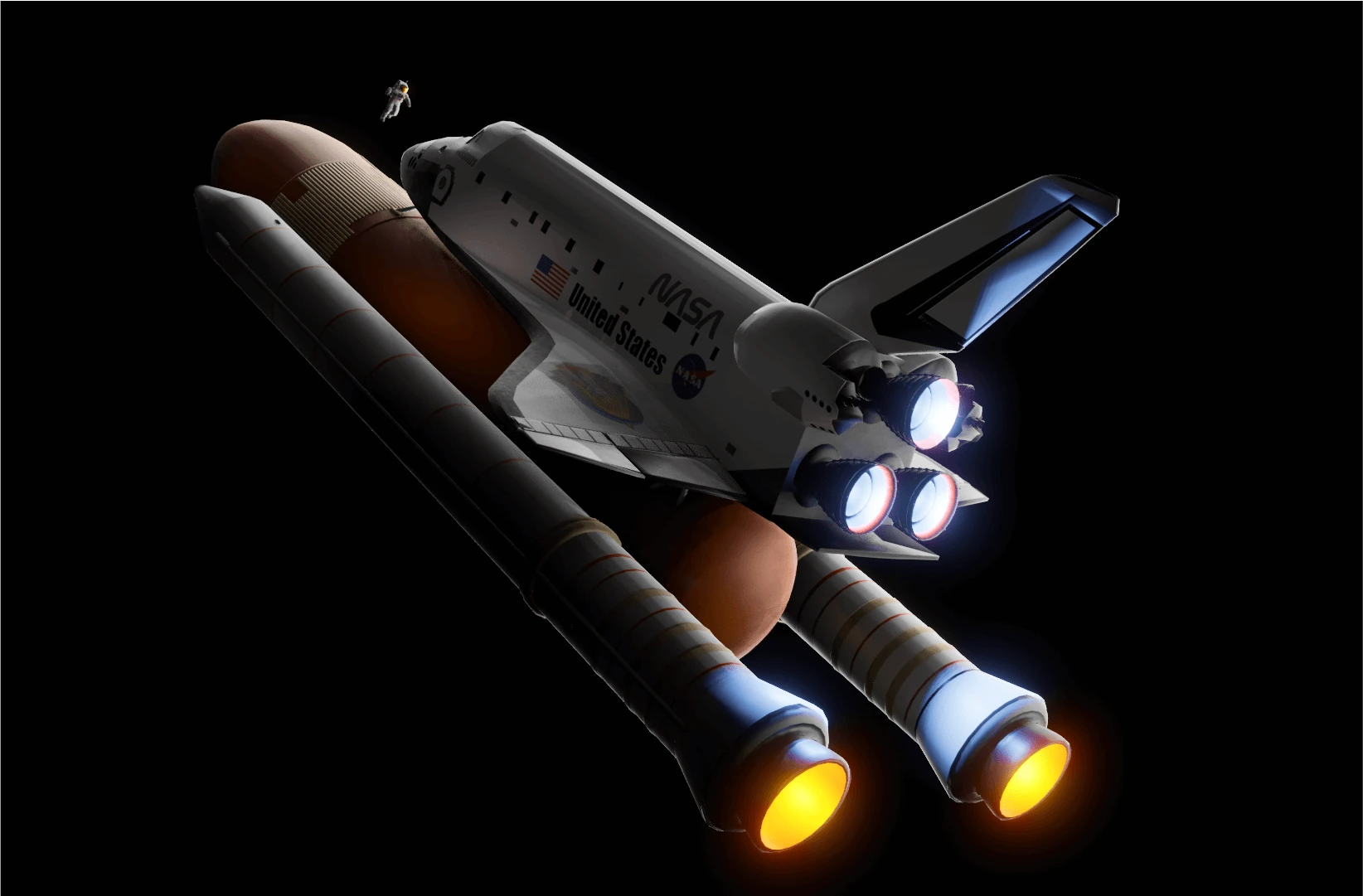
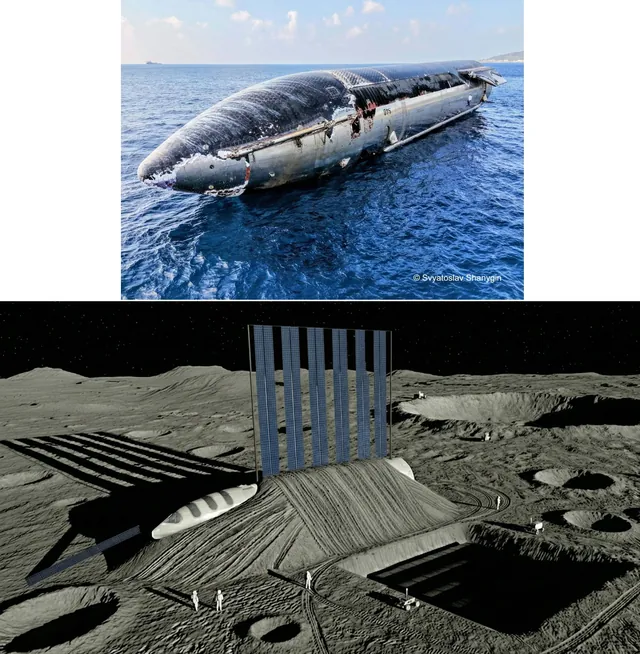
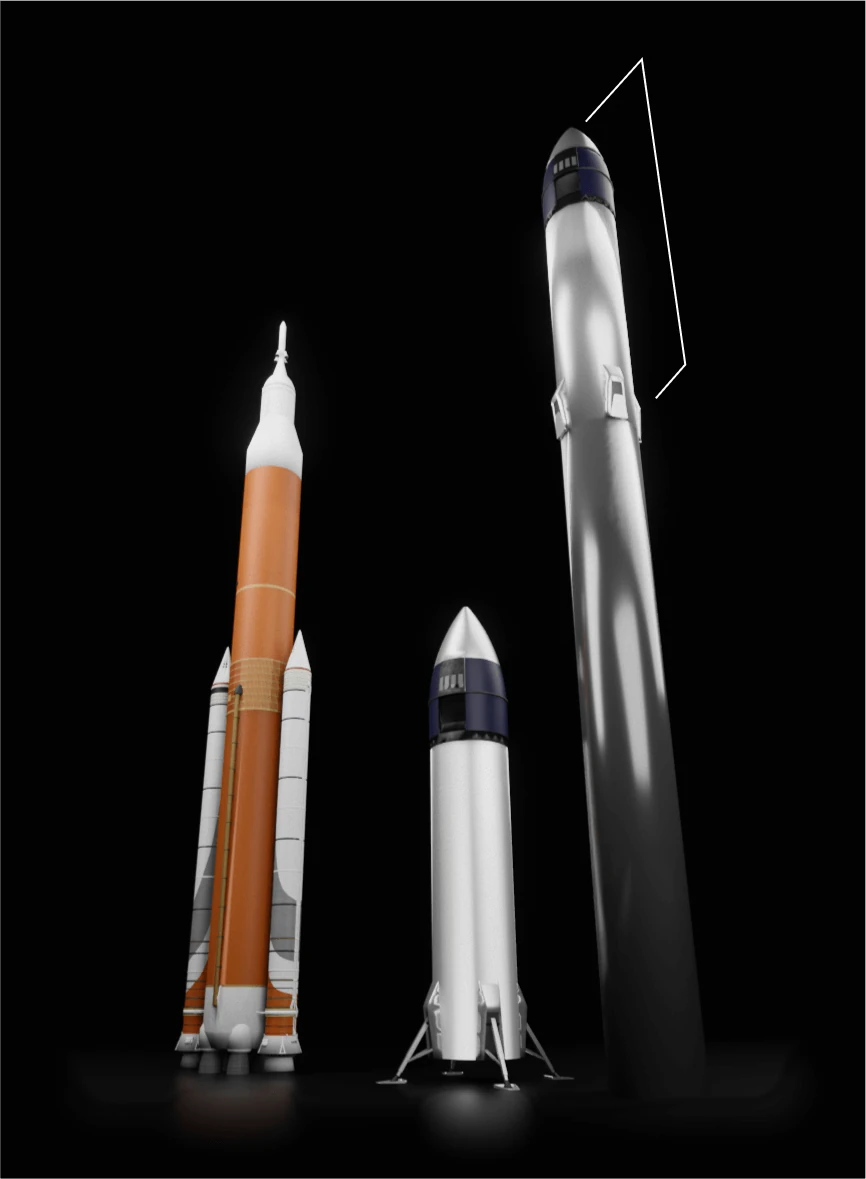
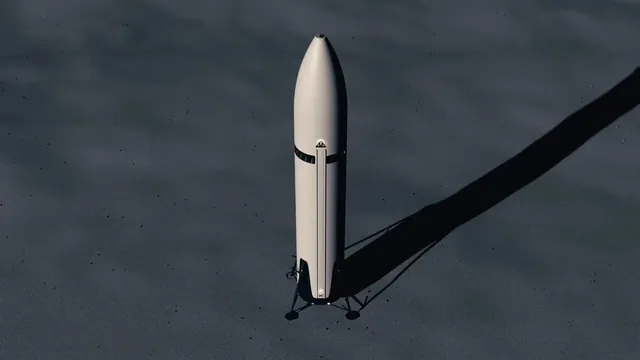
Today: SpaceX Lunar Starship
The upcoming, largest, piece of infrastructure in history that can land on the Moon.
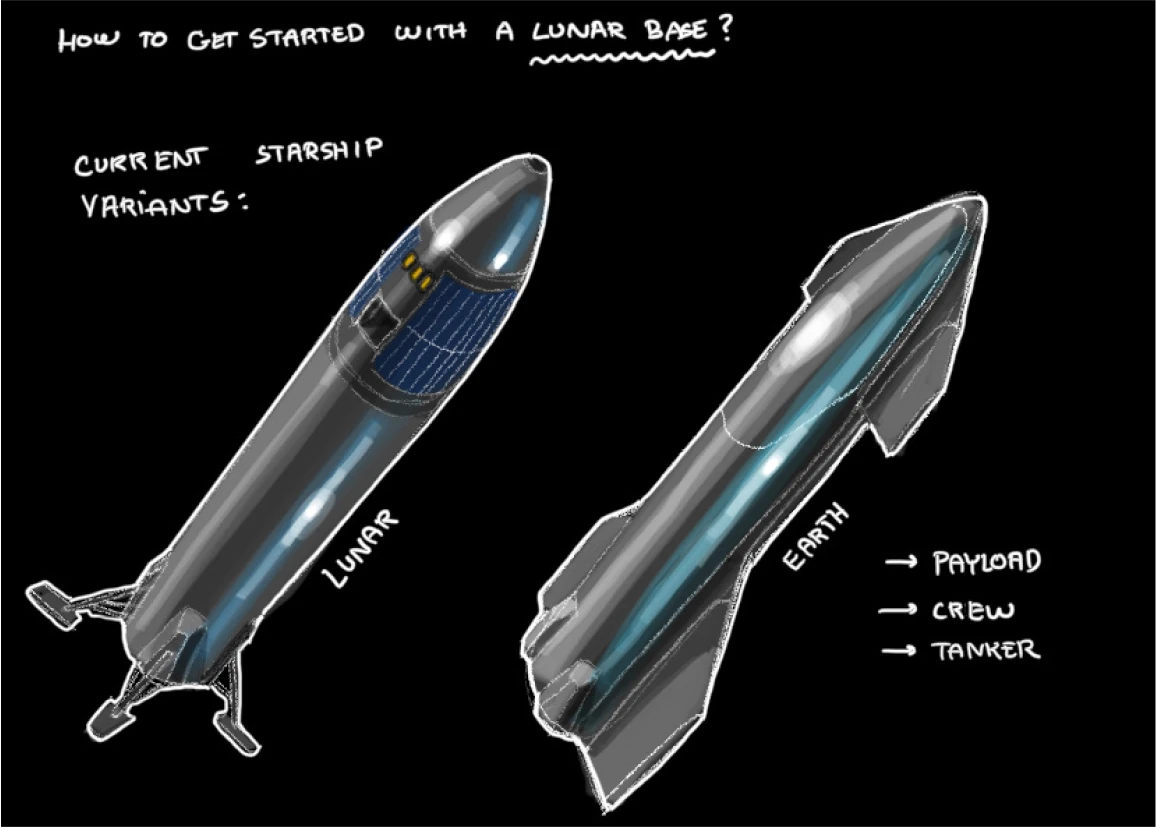
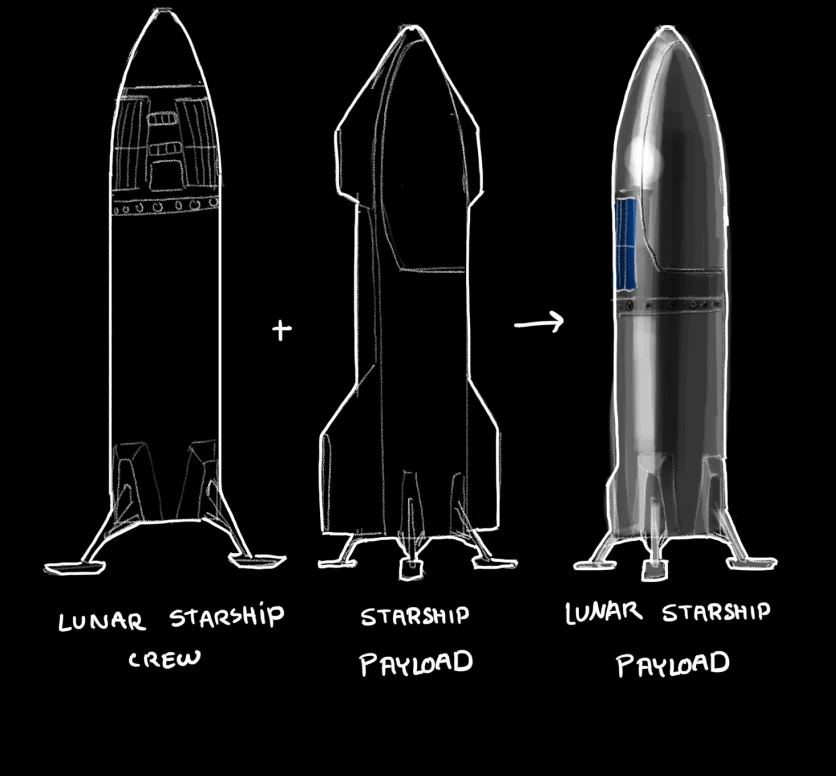
Concept generation for the base design
Before proceeding with the engineering design, a series of concept proposals were explored.
With this rapid sketching of the baseline mission it was possible to arrive at a stronger concept faster.
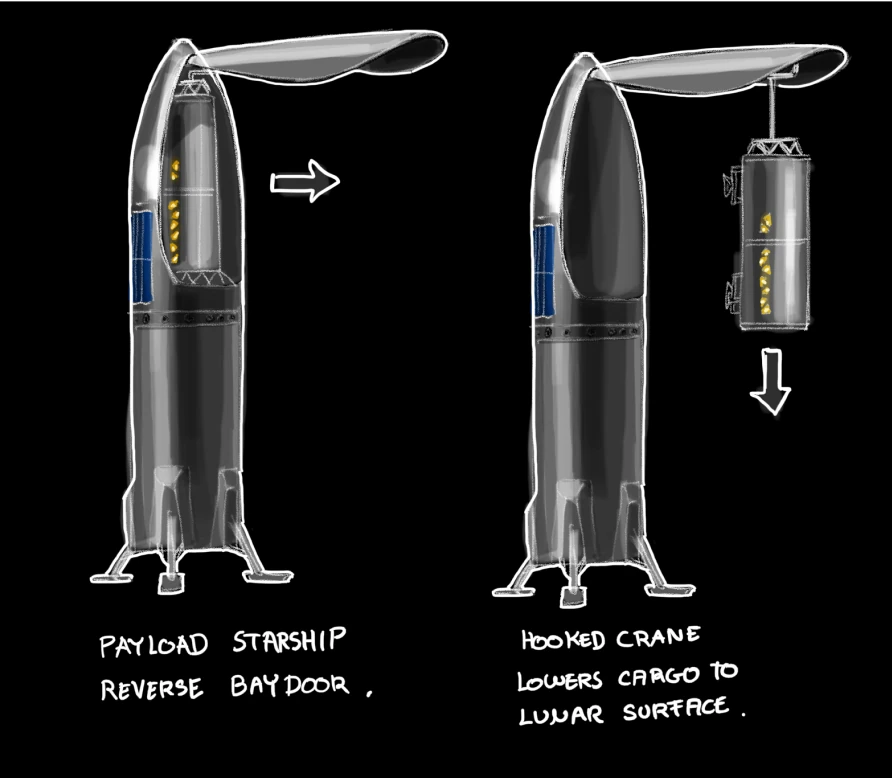
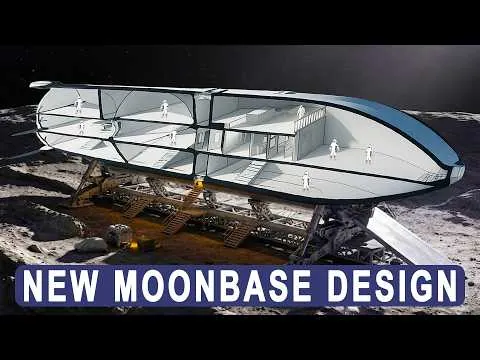
Horizontal hypothesis base concept
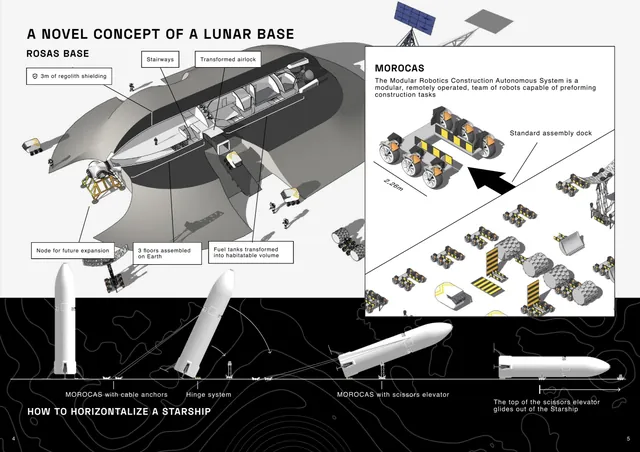
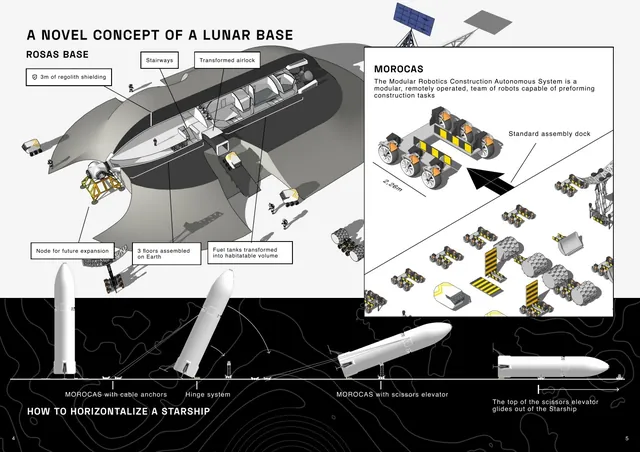
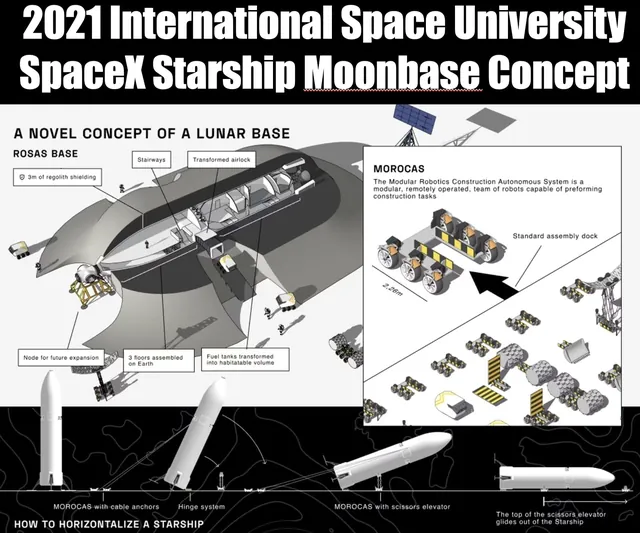
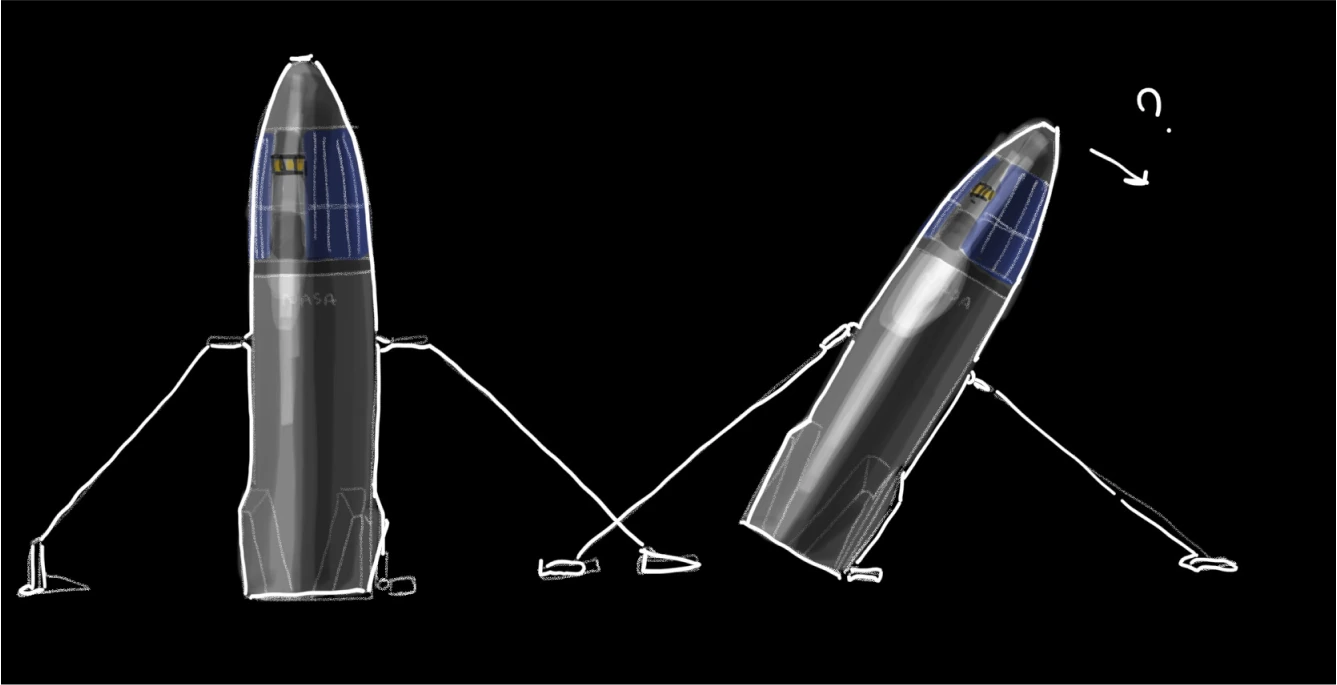
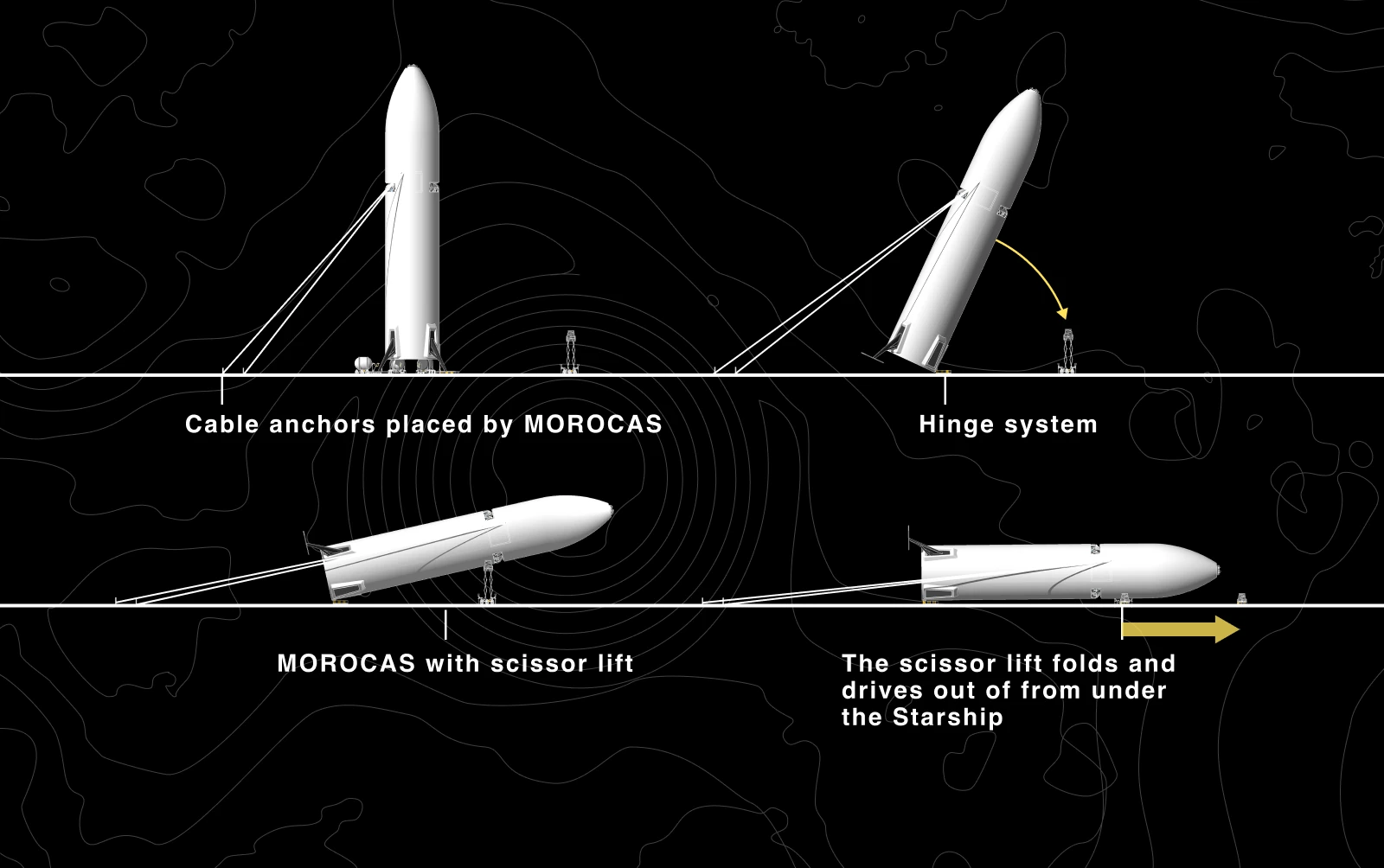
In order to maximize the utility of the volume, the selected orientation was a difficult one: by tipping the whole vehicle on the side, hazards to the crew could be diminished and the base could be further expanded.
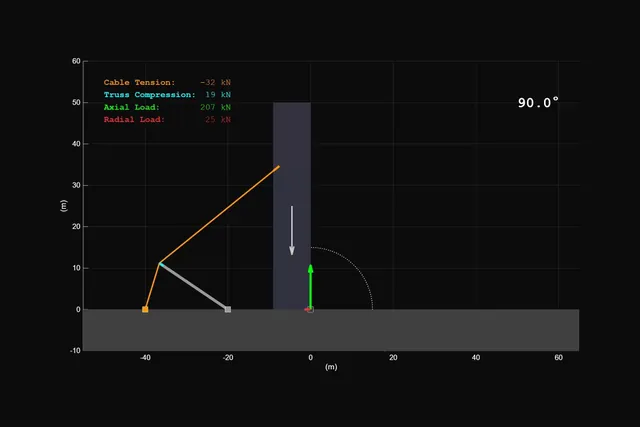
However, how do you tip a 50-metre-high Starship?
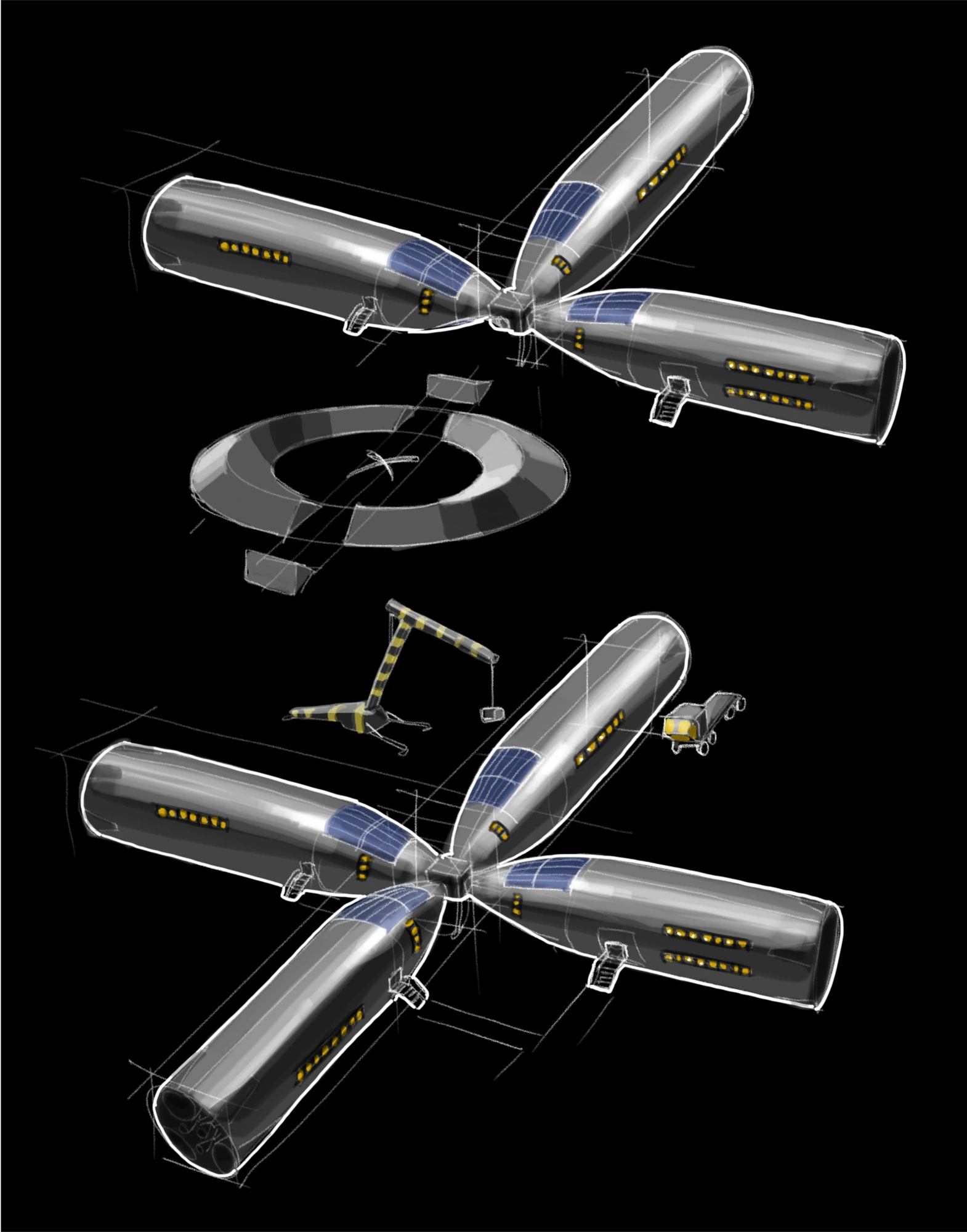
The baseline Concept proposal
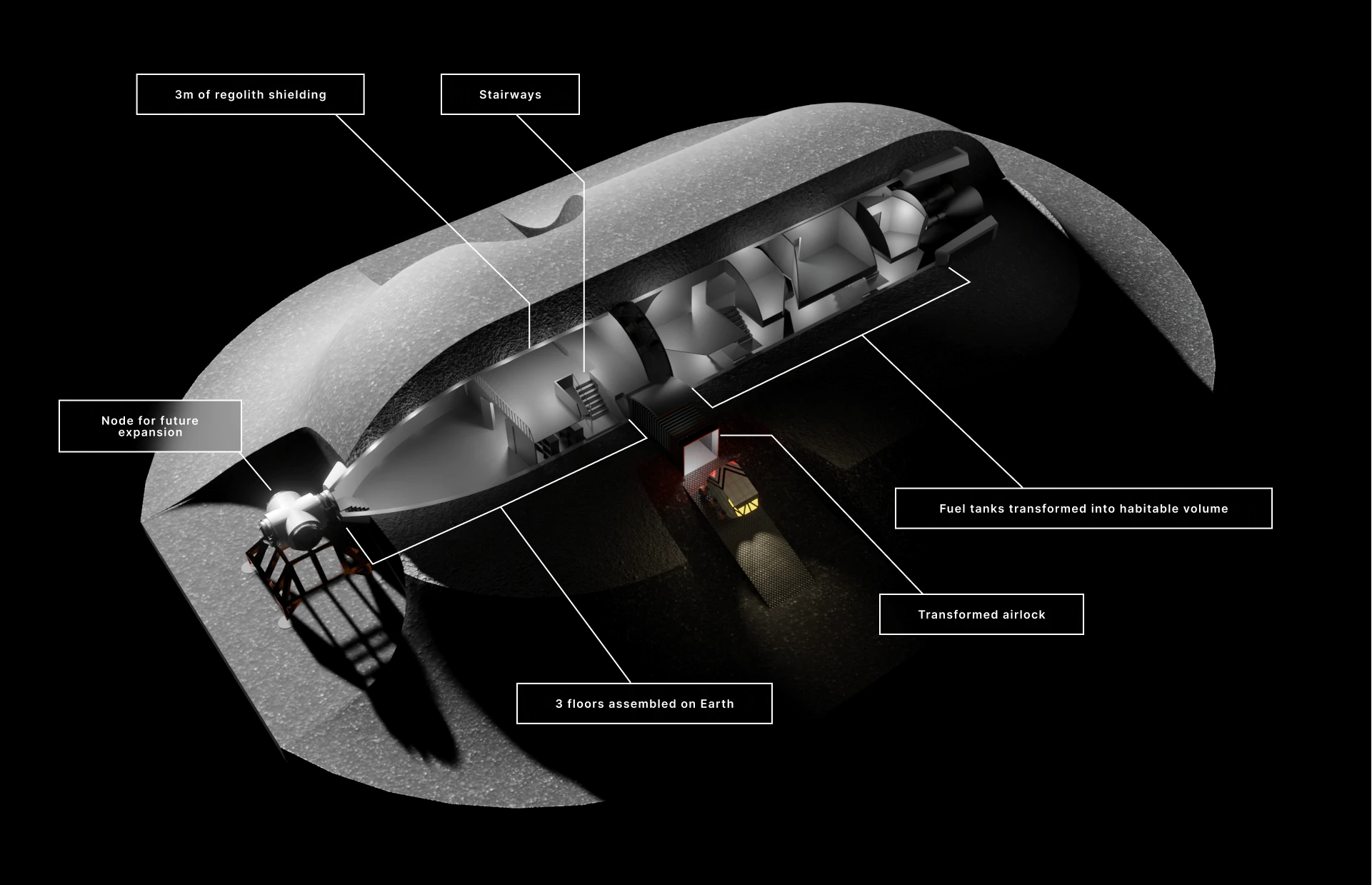
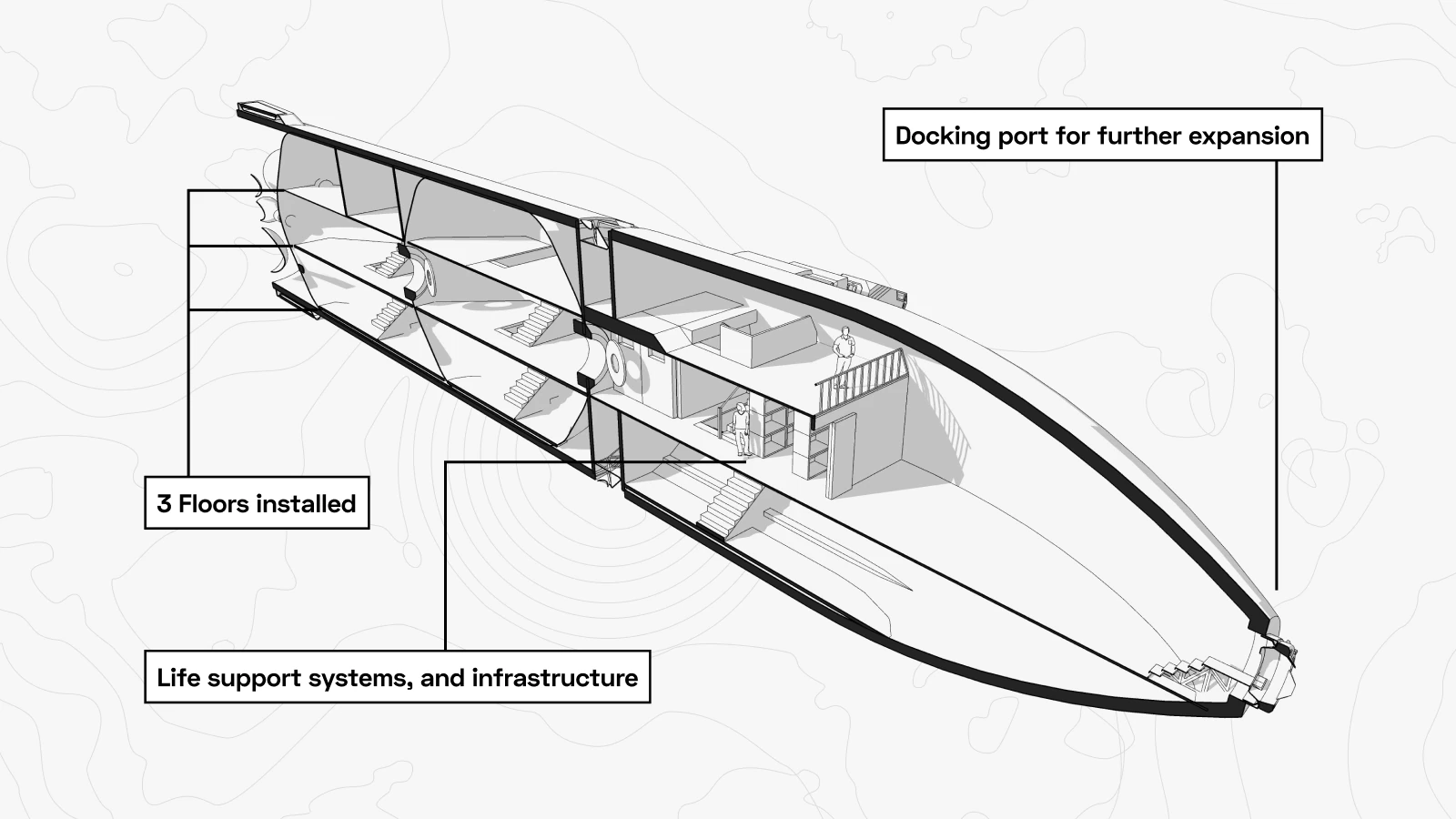
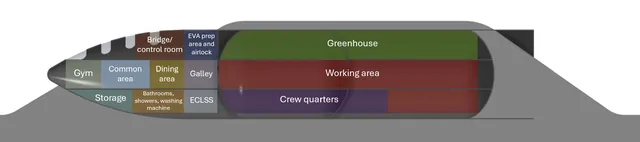
In order to assure all of the requirements for habitability, the design needed to include flooring, wall mounts, stairways, entrance hatches and airlocks.
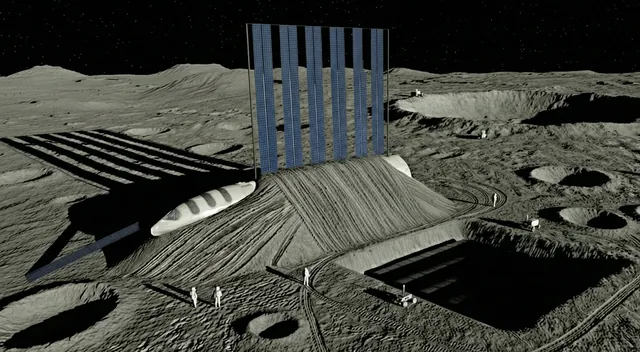
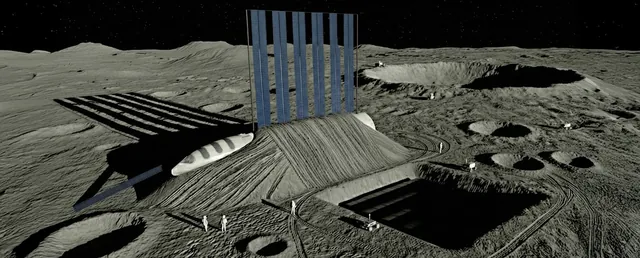
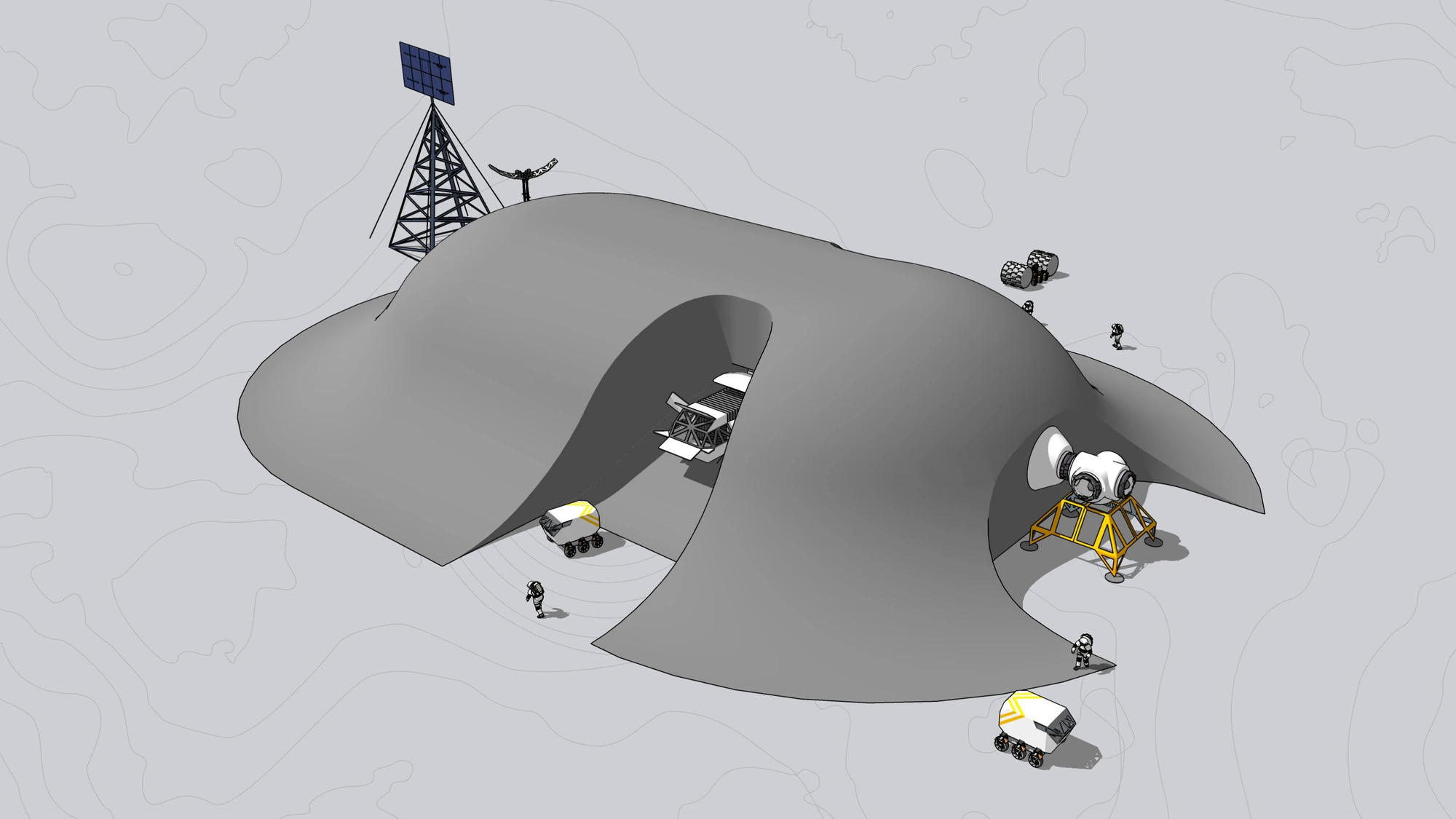
Surrounding the base, a 3 m thick regolith layer would be deposited.
The transfer mission
But how do you get a starship to the Moon? And, most importantly, how do you create a construction site on the Moon?
For that we need to consider a concept of operations derived from the state-of-the-art knowledge of how SpaceX Starships travel to the Moon.
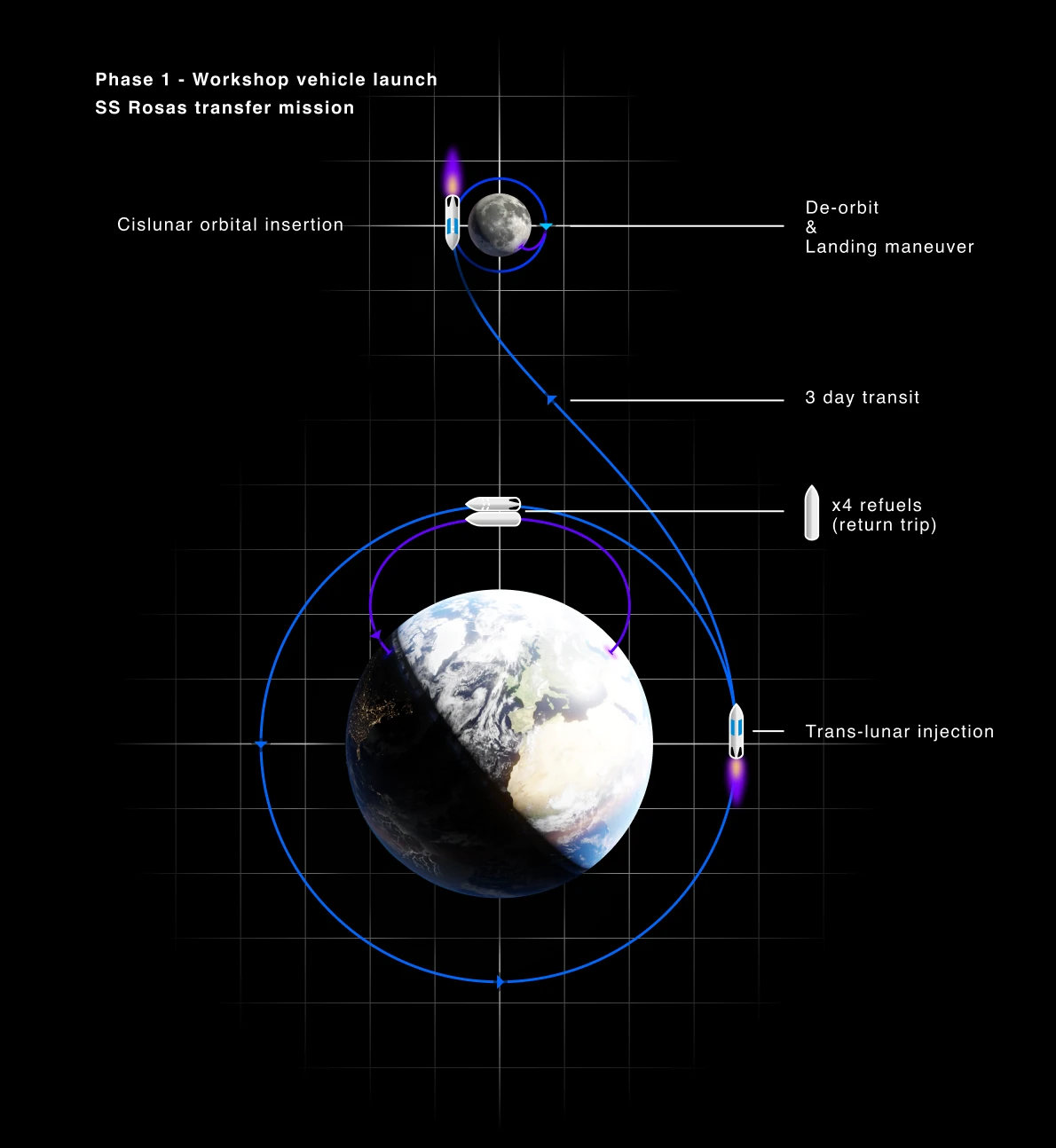
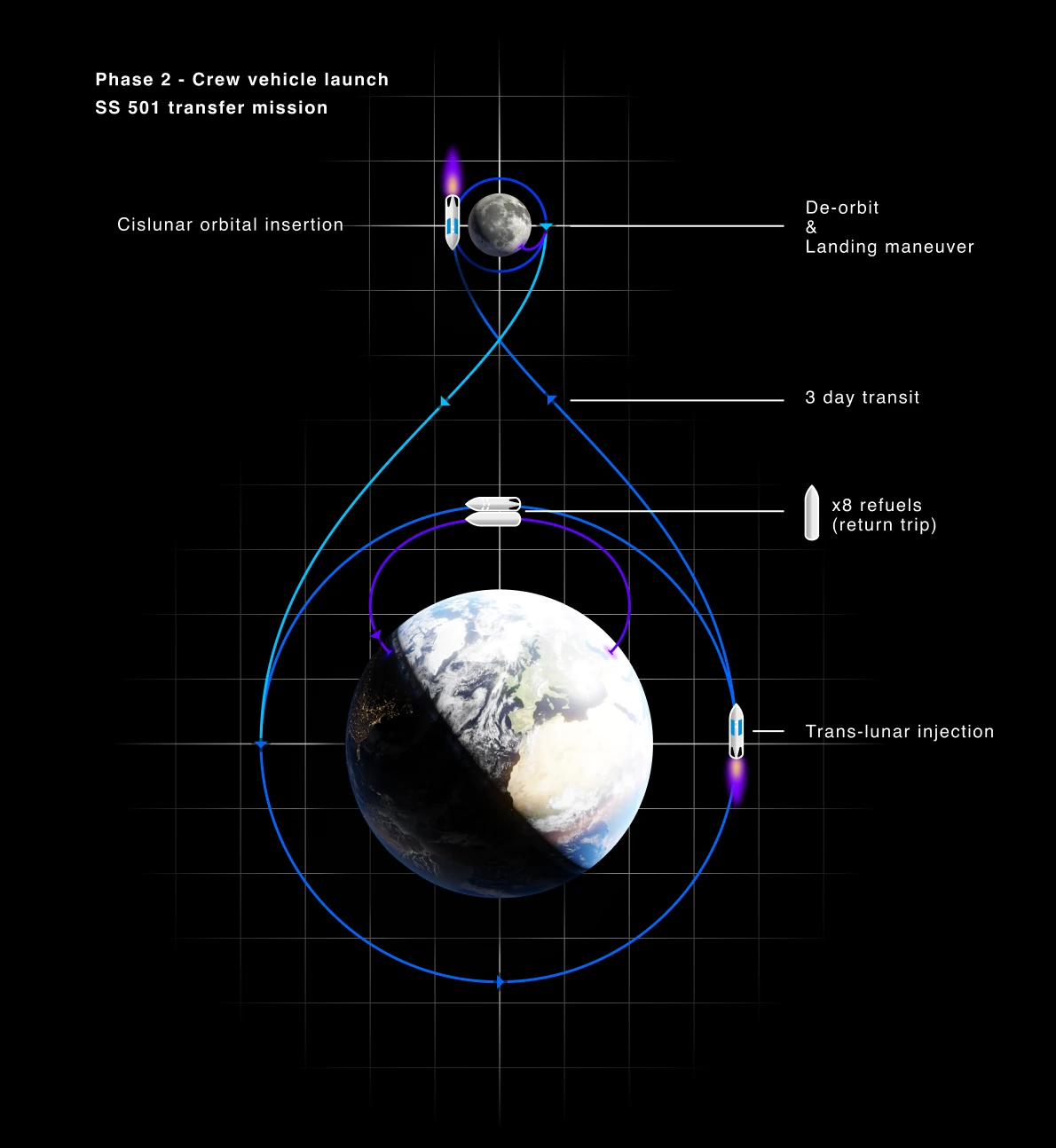
Two mission Starships were needed (besides the fuelling tankers), across two mission phases:
Phase 1 - Workshop vehicle launch
- SS Rosas transfer mission will launch the workshop vehicle, which lands on the Moon without a crew.
Phase 2 - Crew vehicle launch
- SS 501 transfer mission will launch the return starship with the crew that will continue the mission inside the habitat workshop (SS Rosas) already on the site.
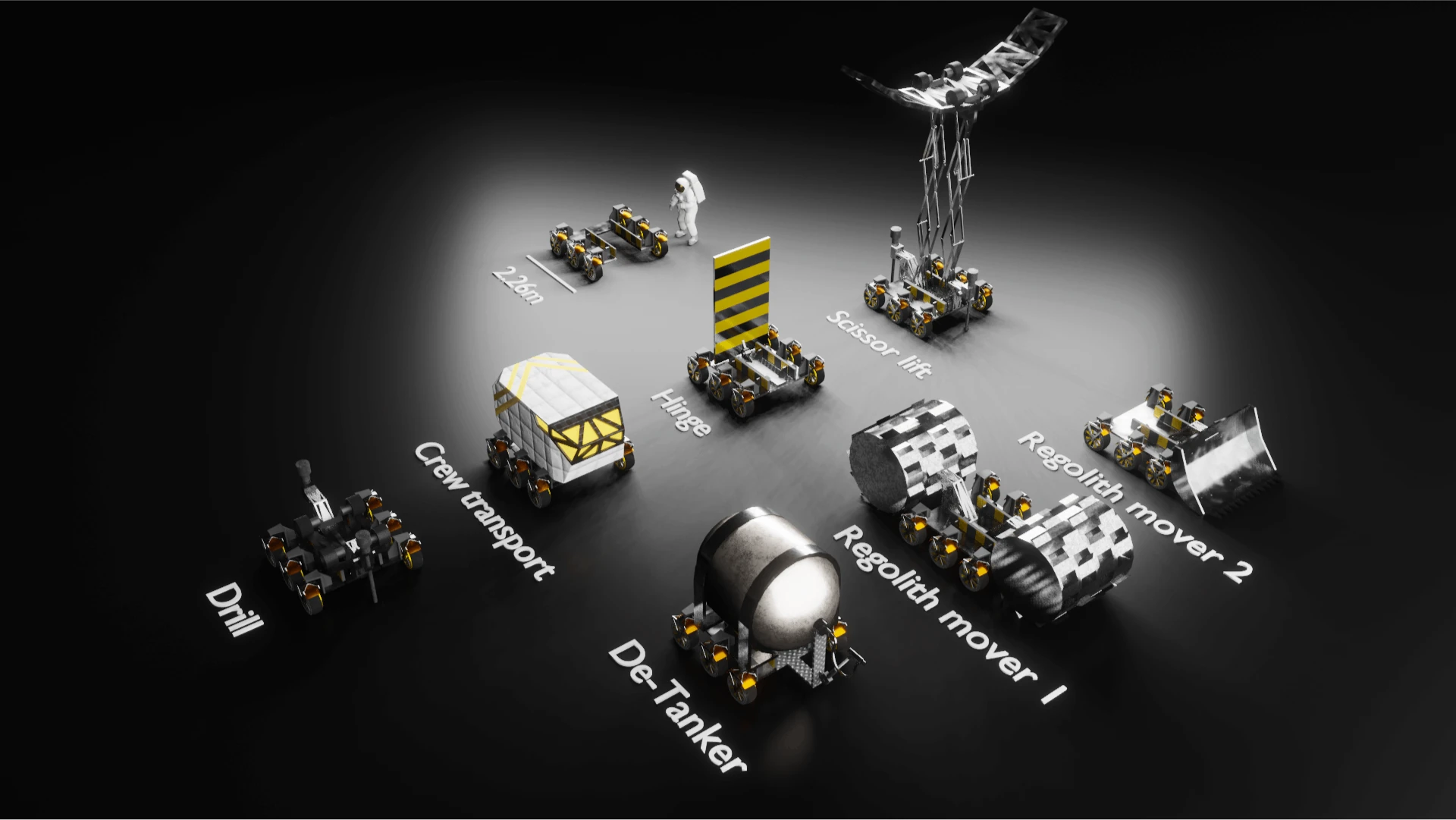
The MOROCAS: Modular robotic construction autonomous system
A modular, remotely operated, team of robots capable of performing construction tasks.
This system was designed in order to reduce the amount of EVA time necessary.
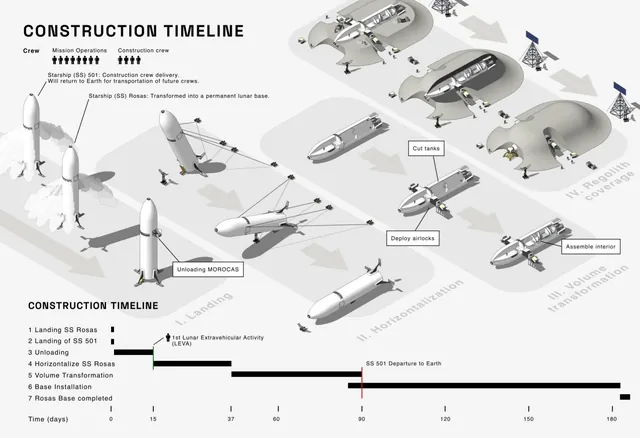
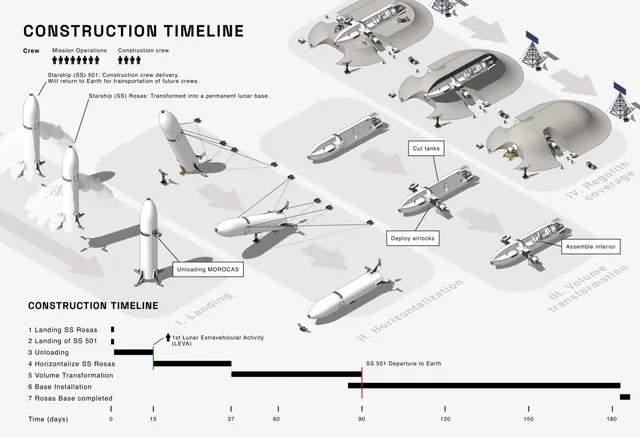
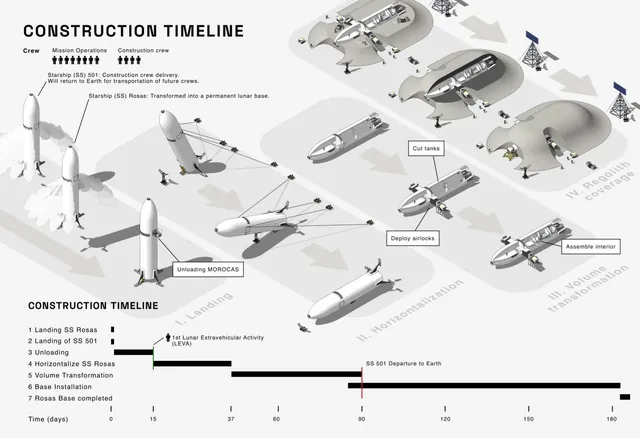
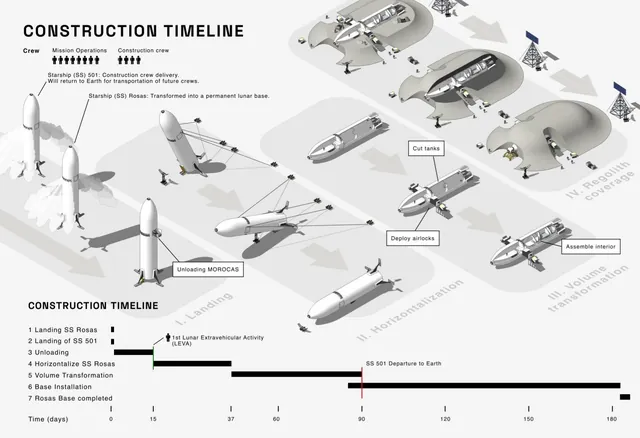
The construction timeline
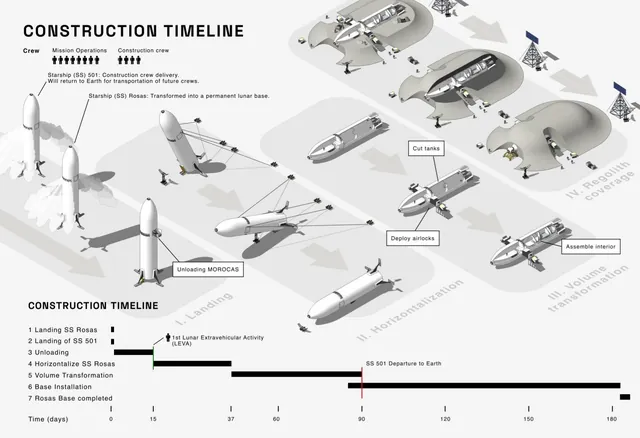
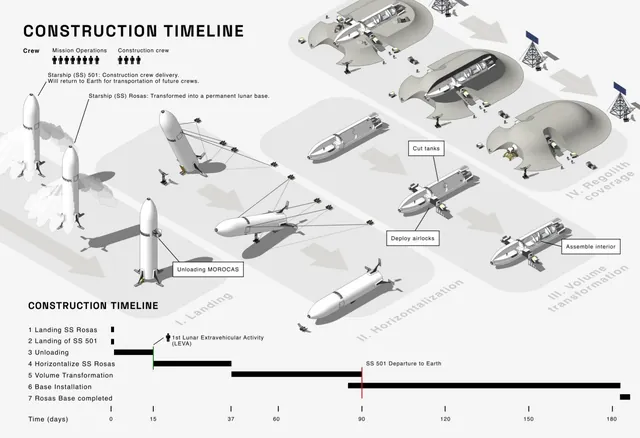
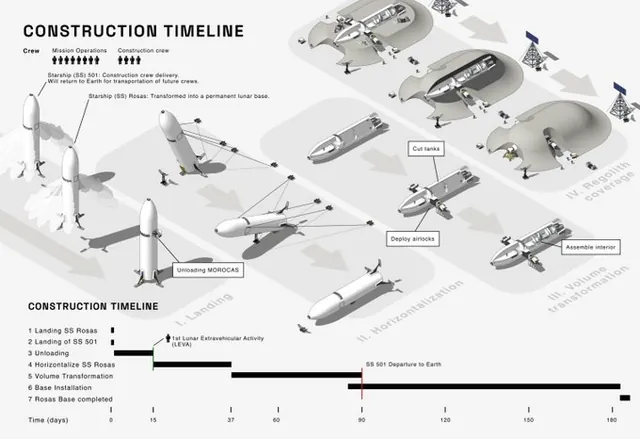
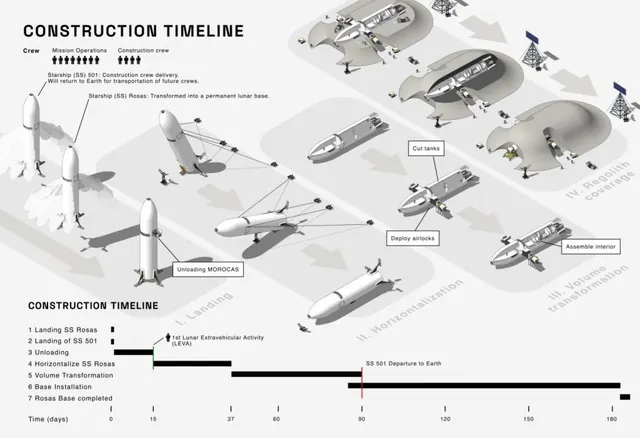
1. Horizontalization: After landing both starships, the base Starship (the future Rosas Base) is horizontalized with the help of the MOROCAS system.
2. Volume connection: after the Starship is horizontalized, the construction crew moves in and starts preparing the fuel tank transformation.
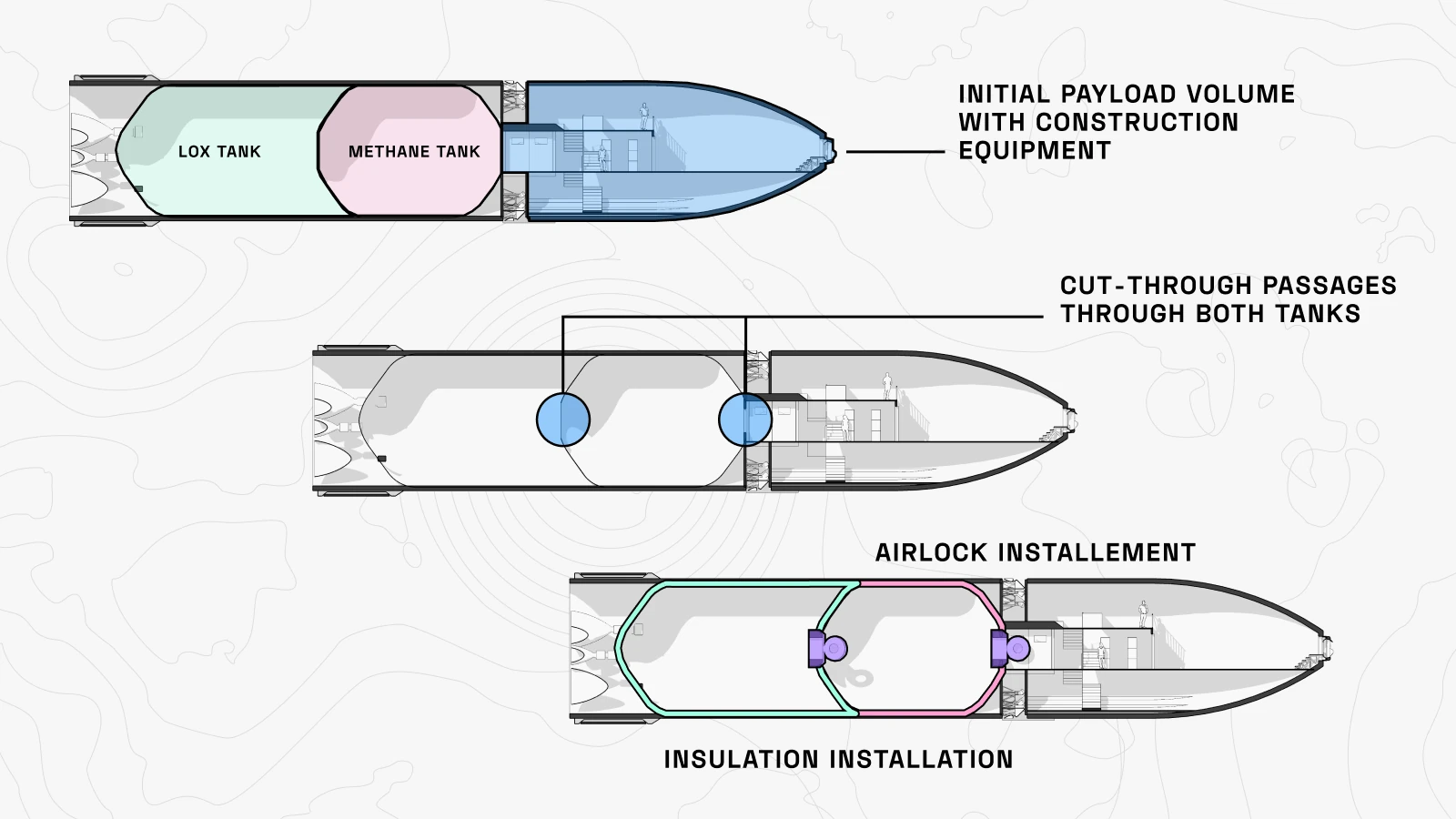
3. Interior installation: Happening after the whole structure is stable and pressurized. The crew brings a series of modular tiles to assemble the interior divisions of Rosas Base.
4. Regolith coverage: The lunar environment is a dangerous place. Micrometeoroids and radiation can be deadly to the whole crew and mission. This way a layer of regolith is deposited by the MOROCAS over several weeks to months.

A window to our Home
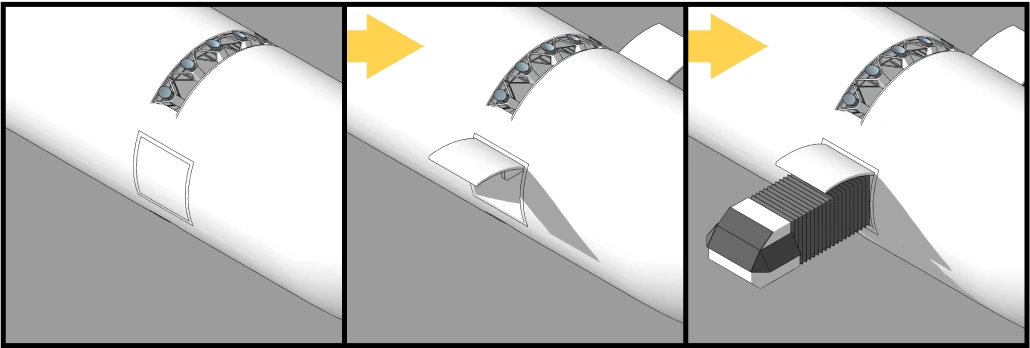
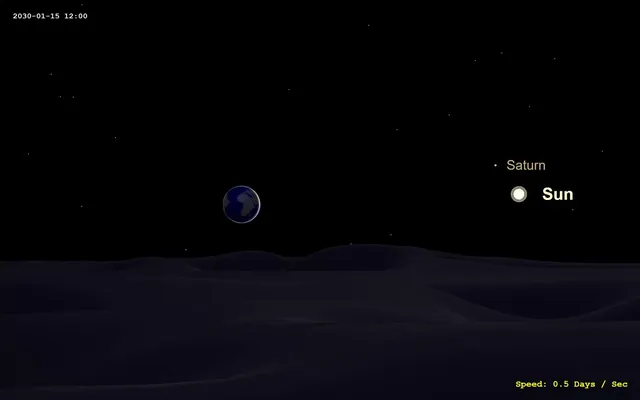
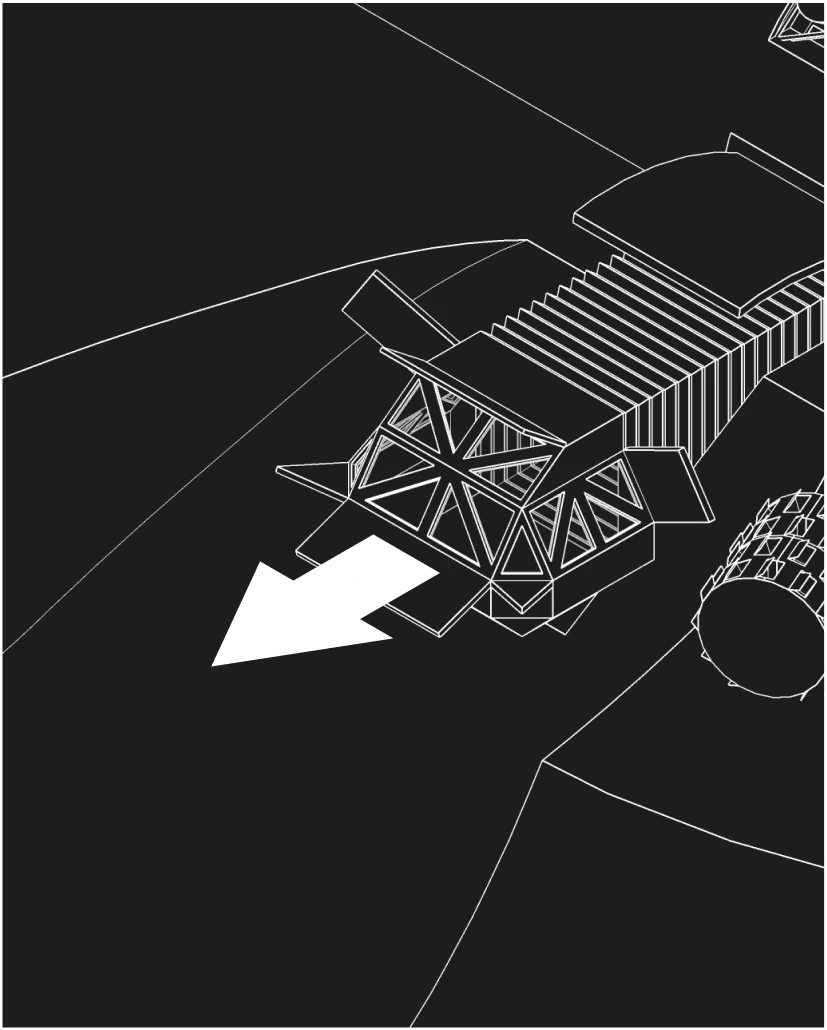
On the side of the Starship, one of the airlocks is transformed into a cupola-style expandable volume. This enables a space for the astronauts to look at the exterior of the base, and, most importantly, to gaze at our Earth.
The OSCAR cupola is retractable. This way, the interior of the base can stay under the protecting regolith, while the viewing area can stay outside for short-duration observations of the Lunar vista, and of Earth.
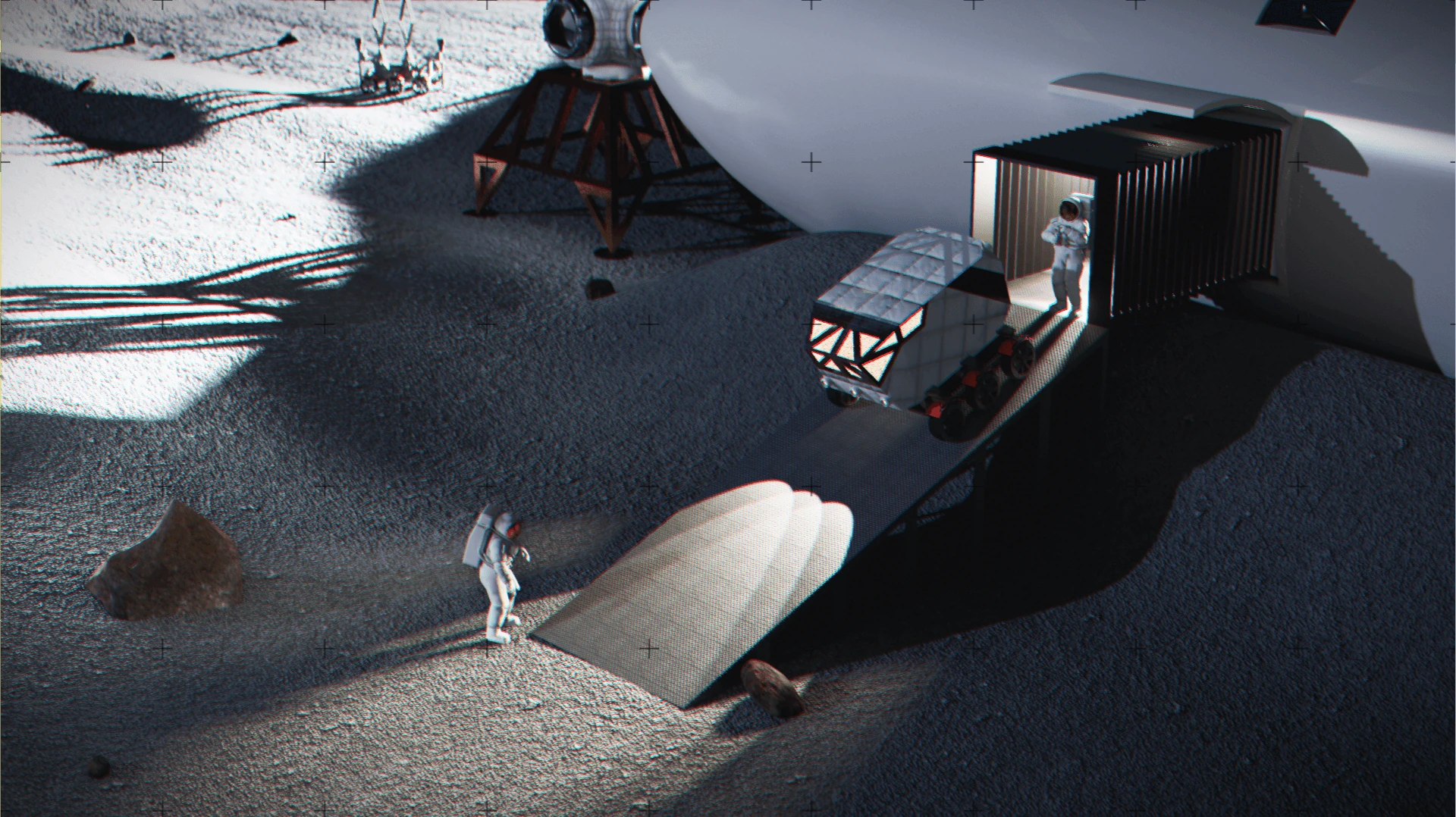
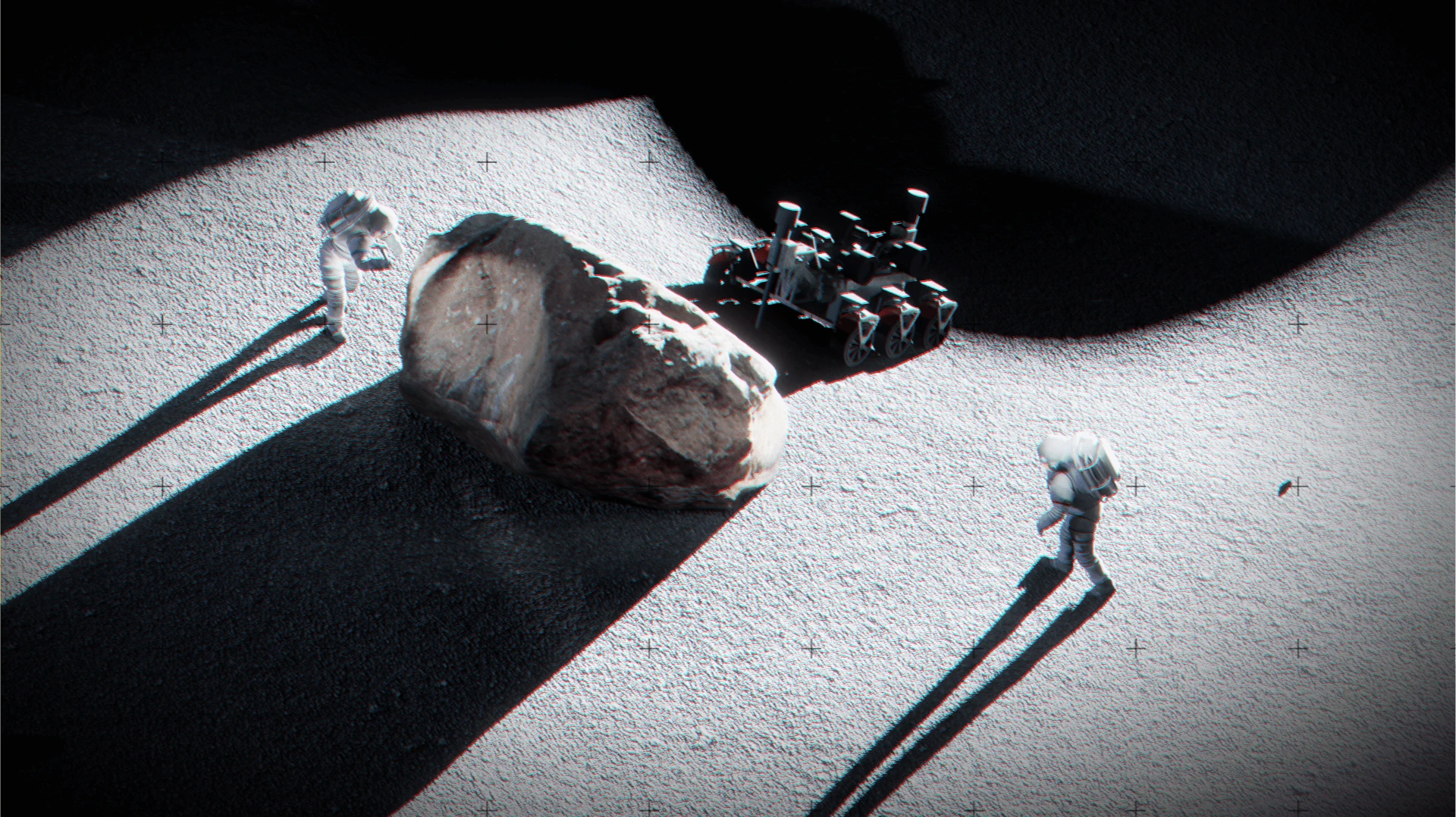
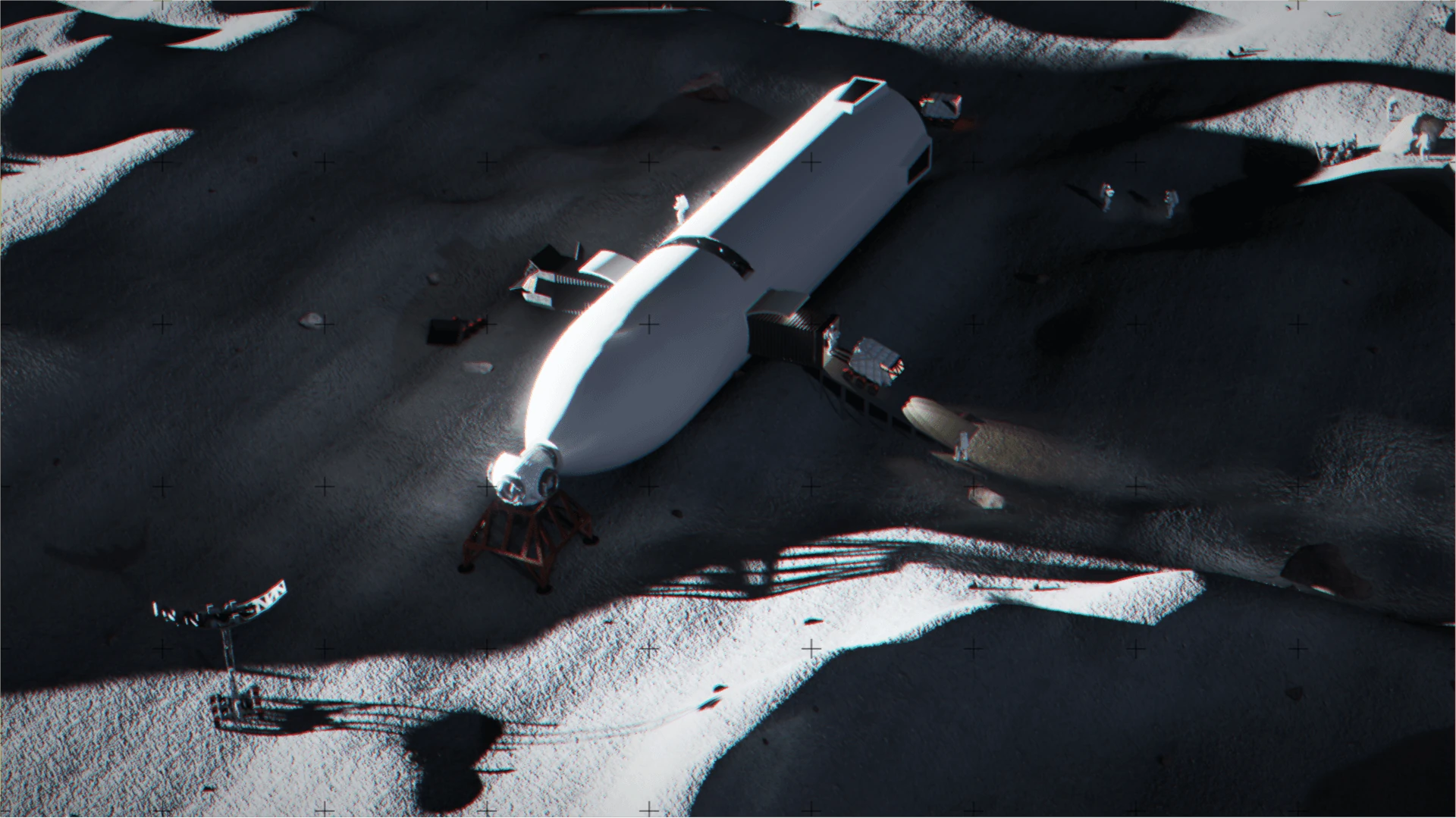
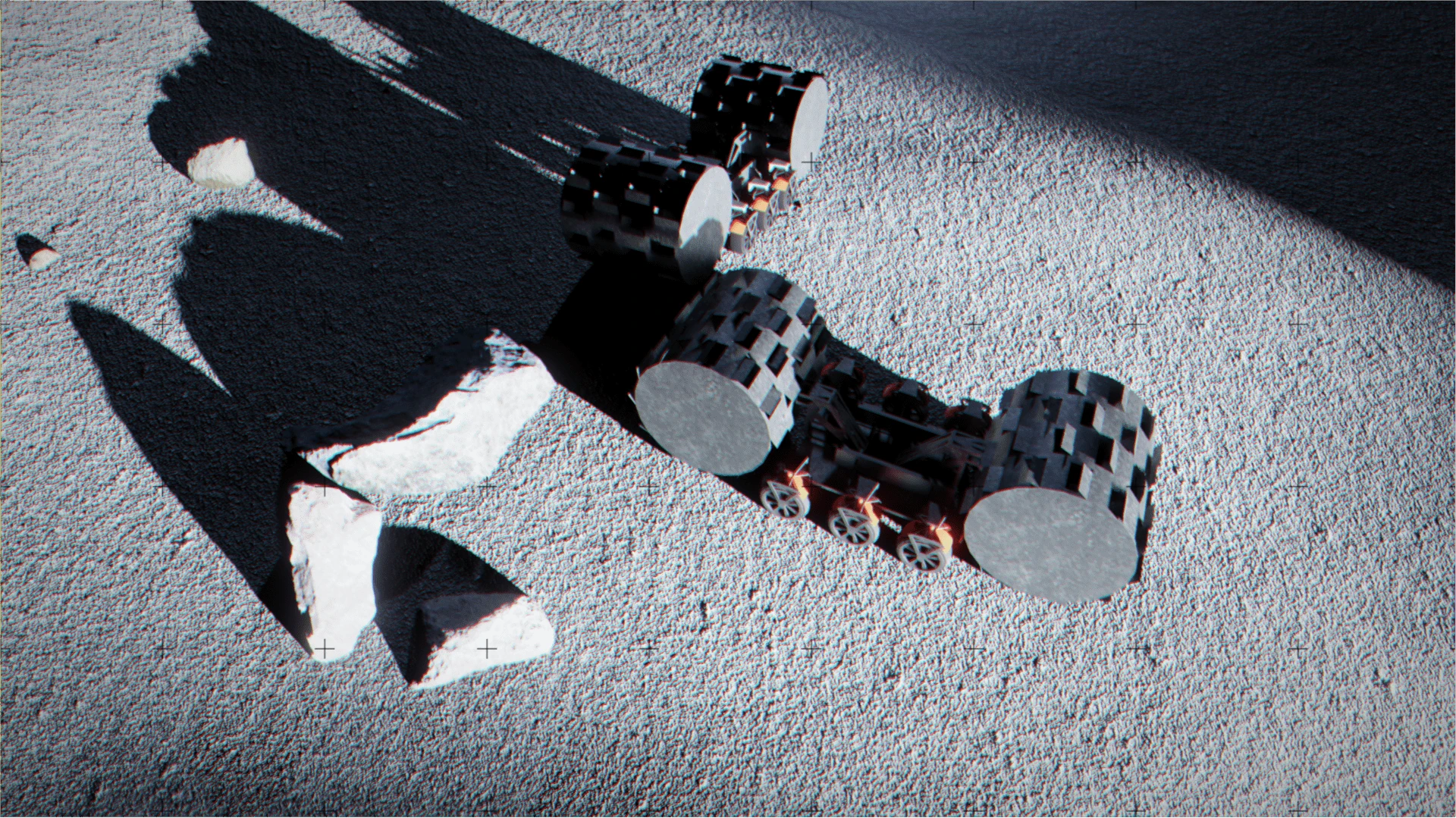
Photorealistic gallery
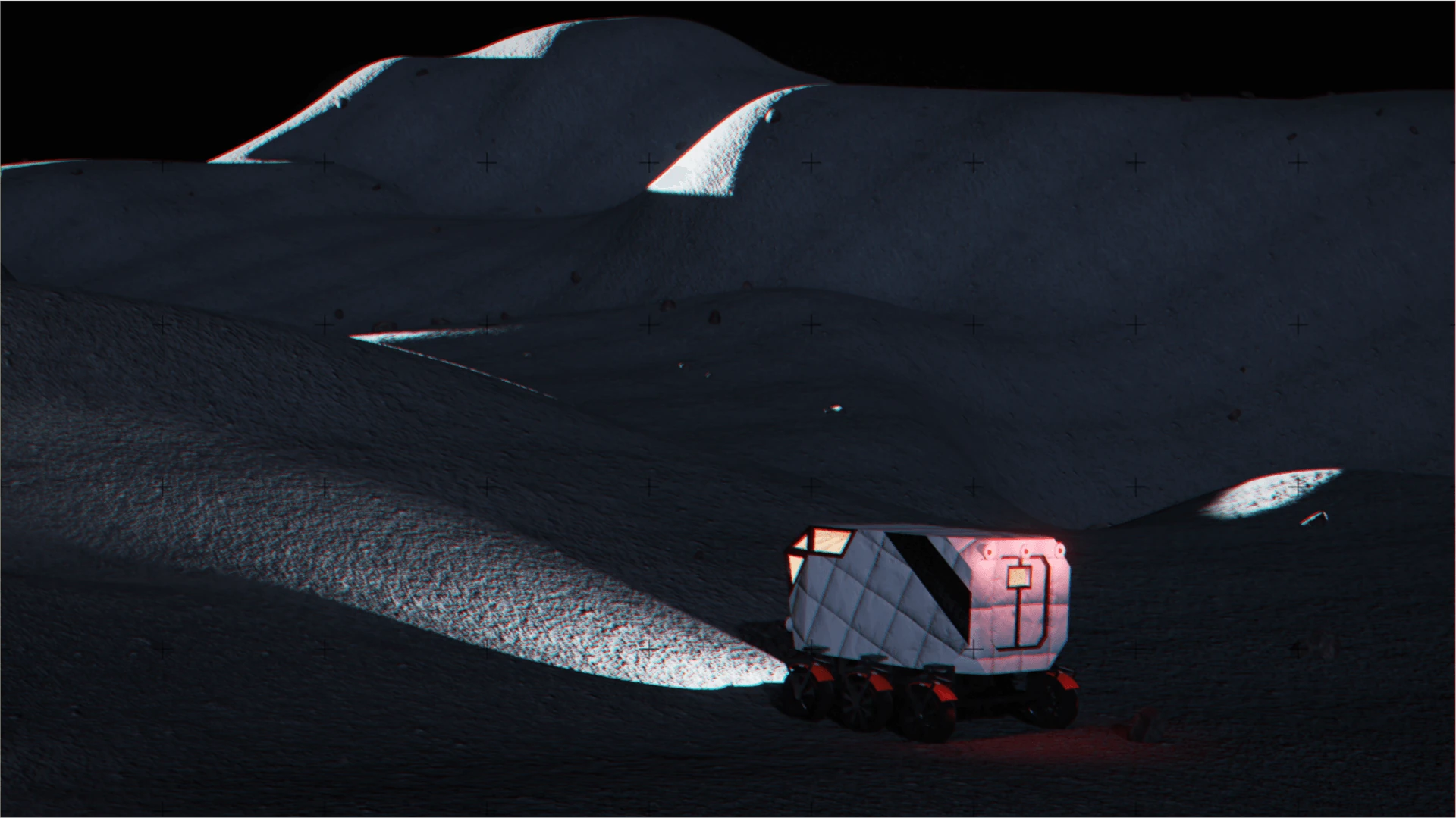
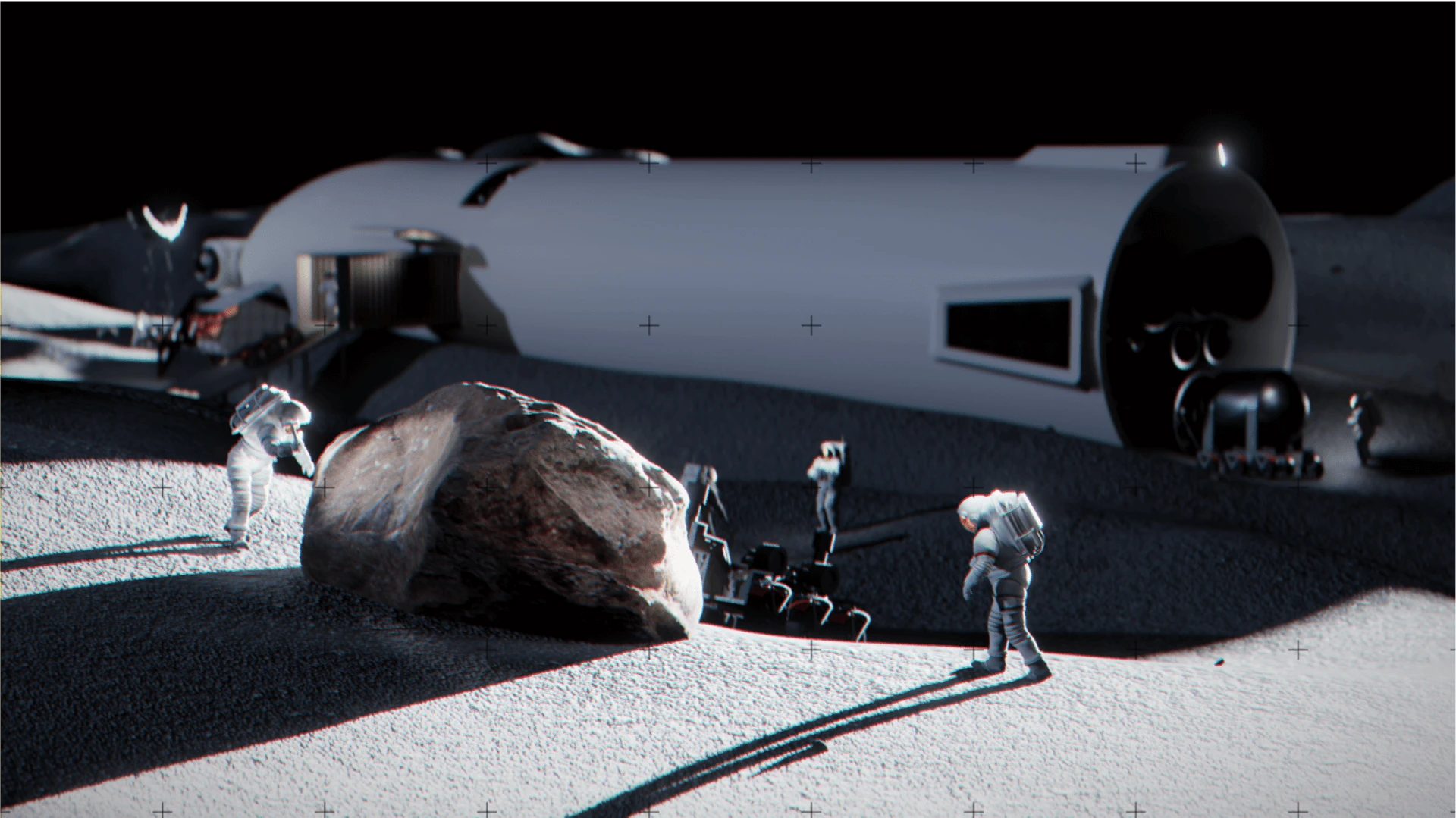
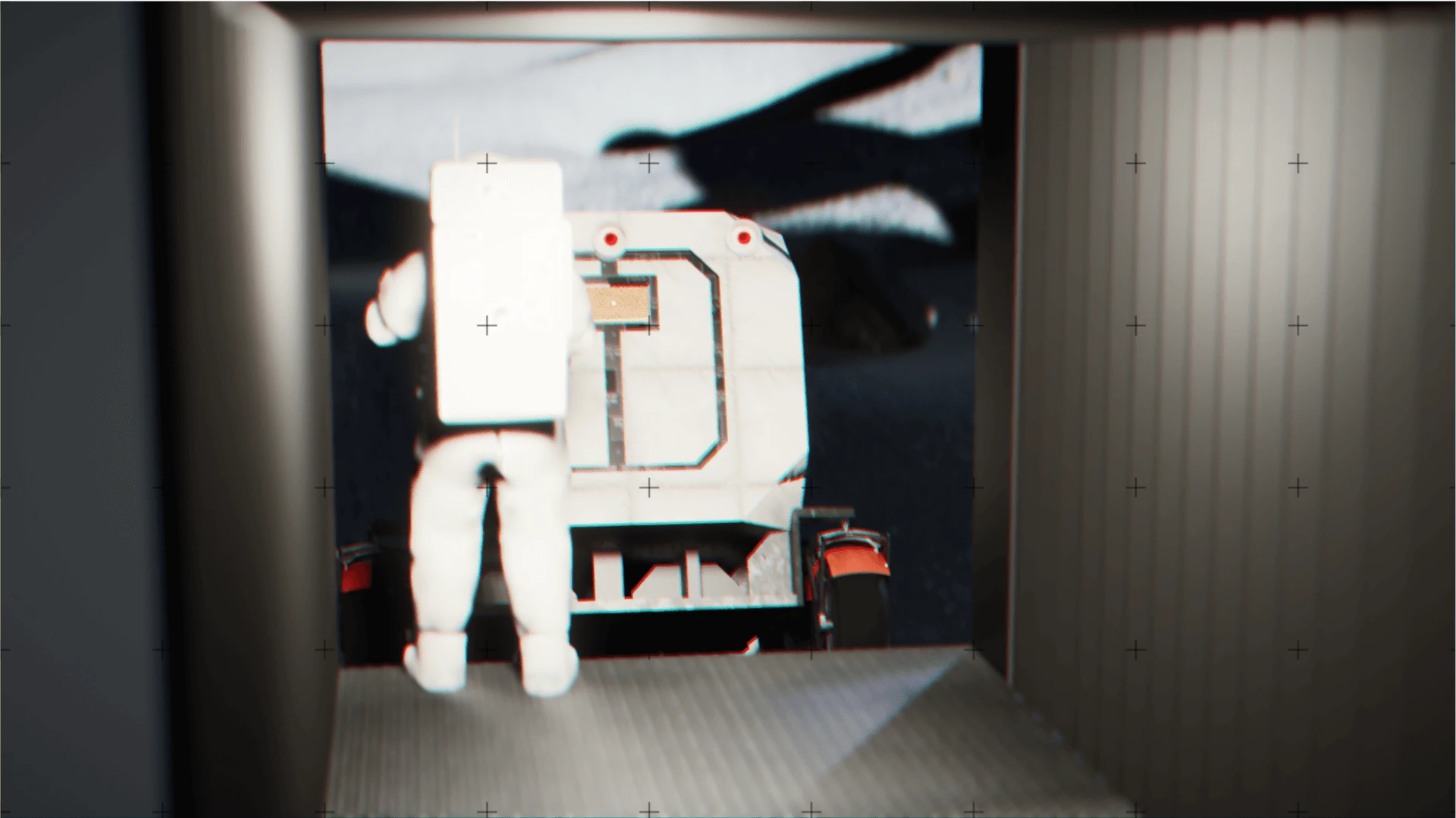
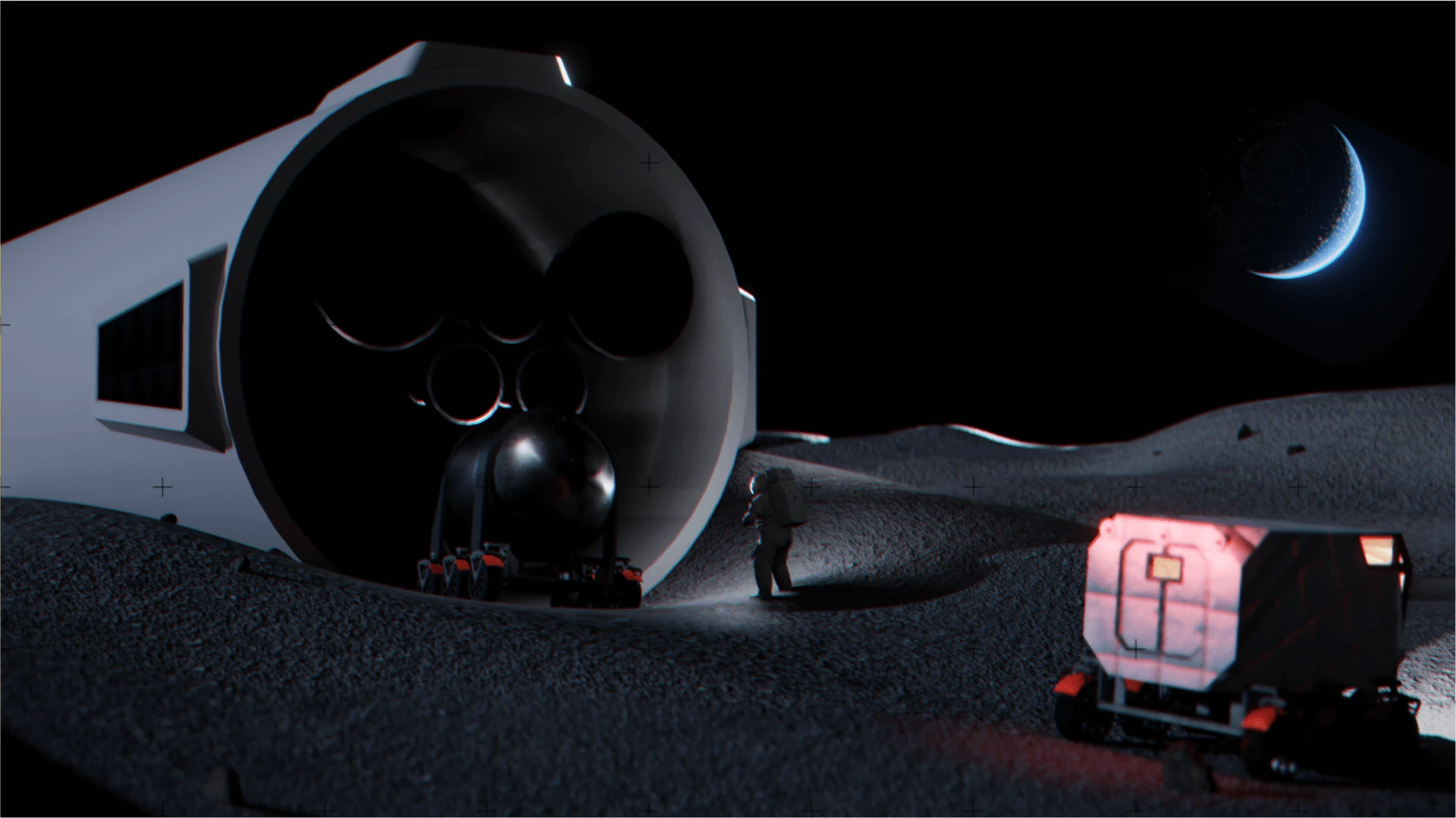
The team
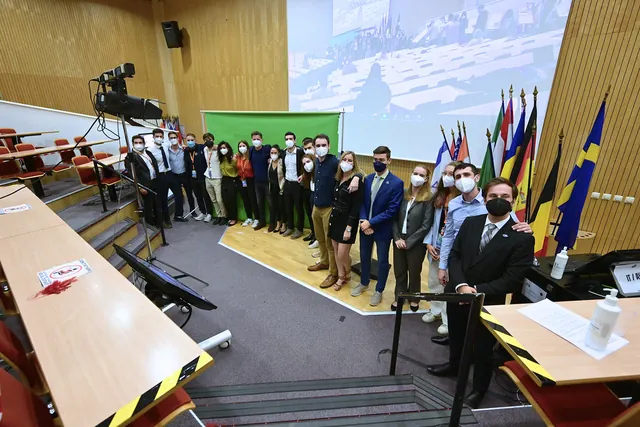
All ISU SSP21 participants from Team Lunar who took part in the project: 21 people from 13 countries.
Participants
Chairs
Teaching associate
A special thank you
In loving memory of Oscar Federico Rosas Castillo – an adventurous, spirited soul who brought us together and made our world a better place. We are better for having known you. May your light shine bright upon us until we see you on the other side of the stars. Ad Astra.
Acknowledgements
ISU and Team Project Solutions for Construction of a Lunar Base wish to express their sincere appreciation to Lockheed Martin Corporation for its sponsorship of this project.
We would also like to thank the chairs and teaching assistants for their amazing support during this team project. They have been the key factor in supporting this team during the process and therefore the success of this lunar team report.
Lastly, we would like to thank the International Space University and SSP21 staff for making this year’s program happen, during the COVID-19 period and supporting the team in the best way possible.
In the news
February 2026 on X
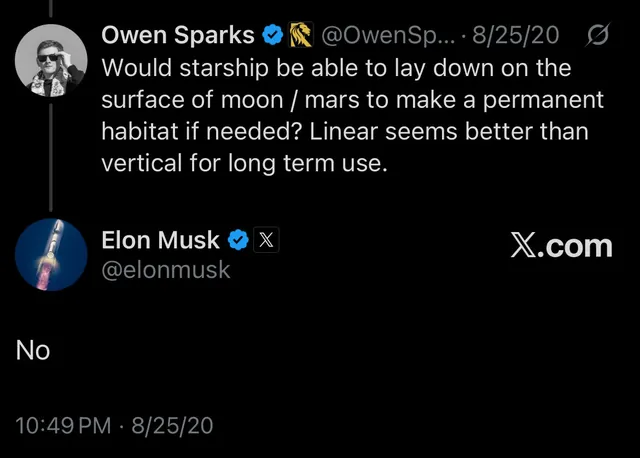
In February 2026 Toby Li posted the Starship base on X and Elon Musk quoted the post.

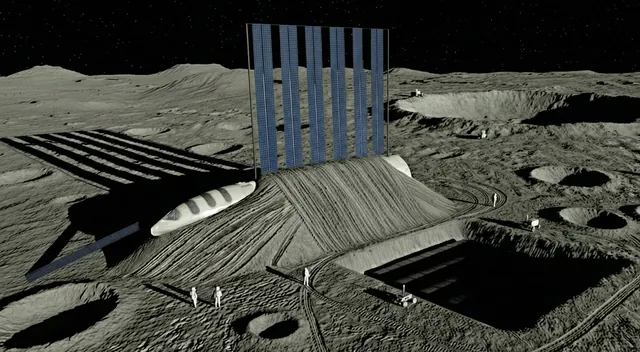
StarHab, the concept today
The base now continues as StarHab, led by Shay Monat from the original team. The account's posts and Shay Monat's posts about it are below.