
ubbu
Computer science for K-6, made easy
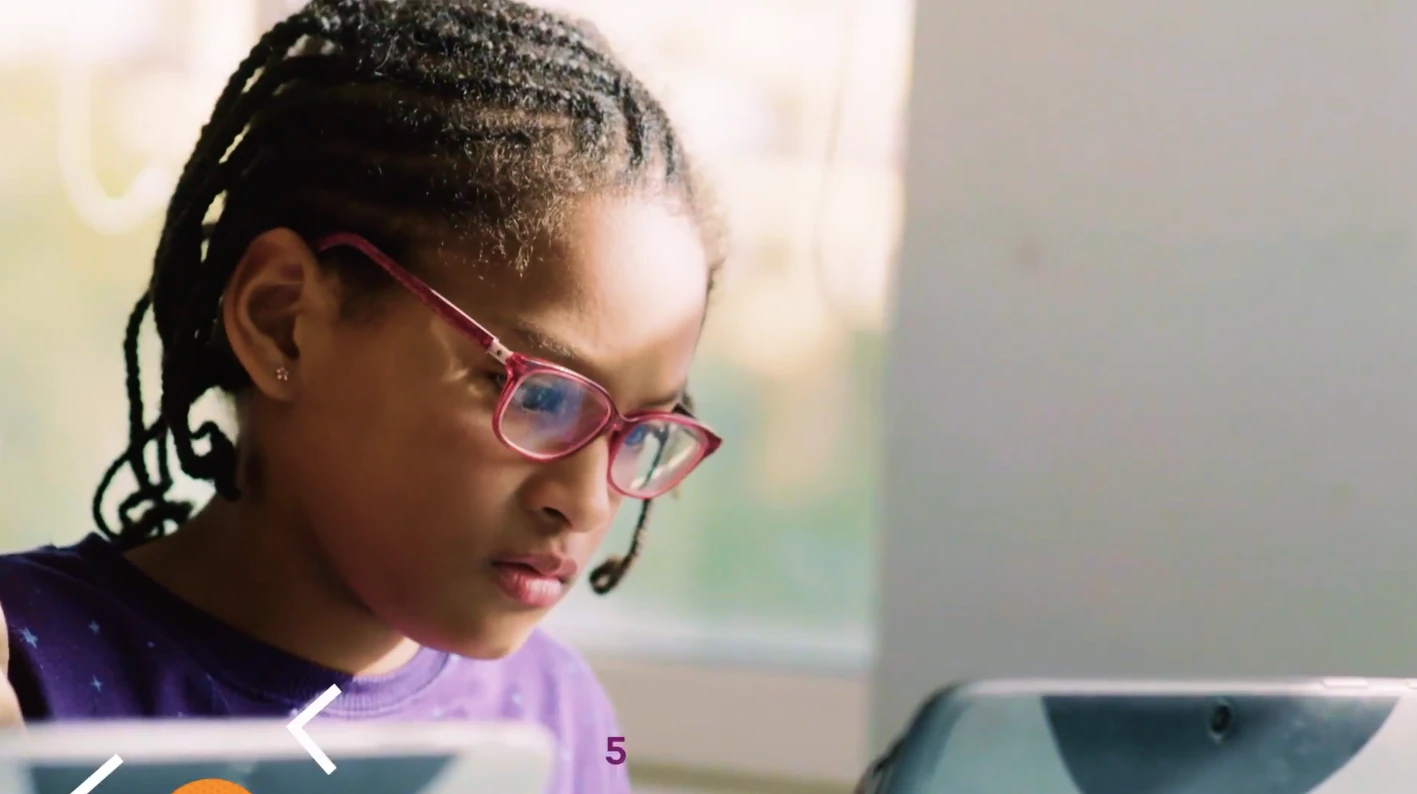
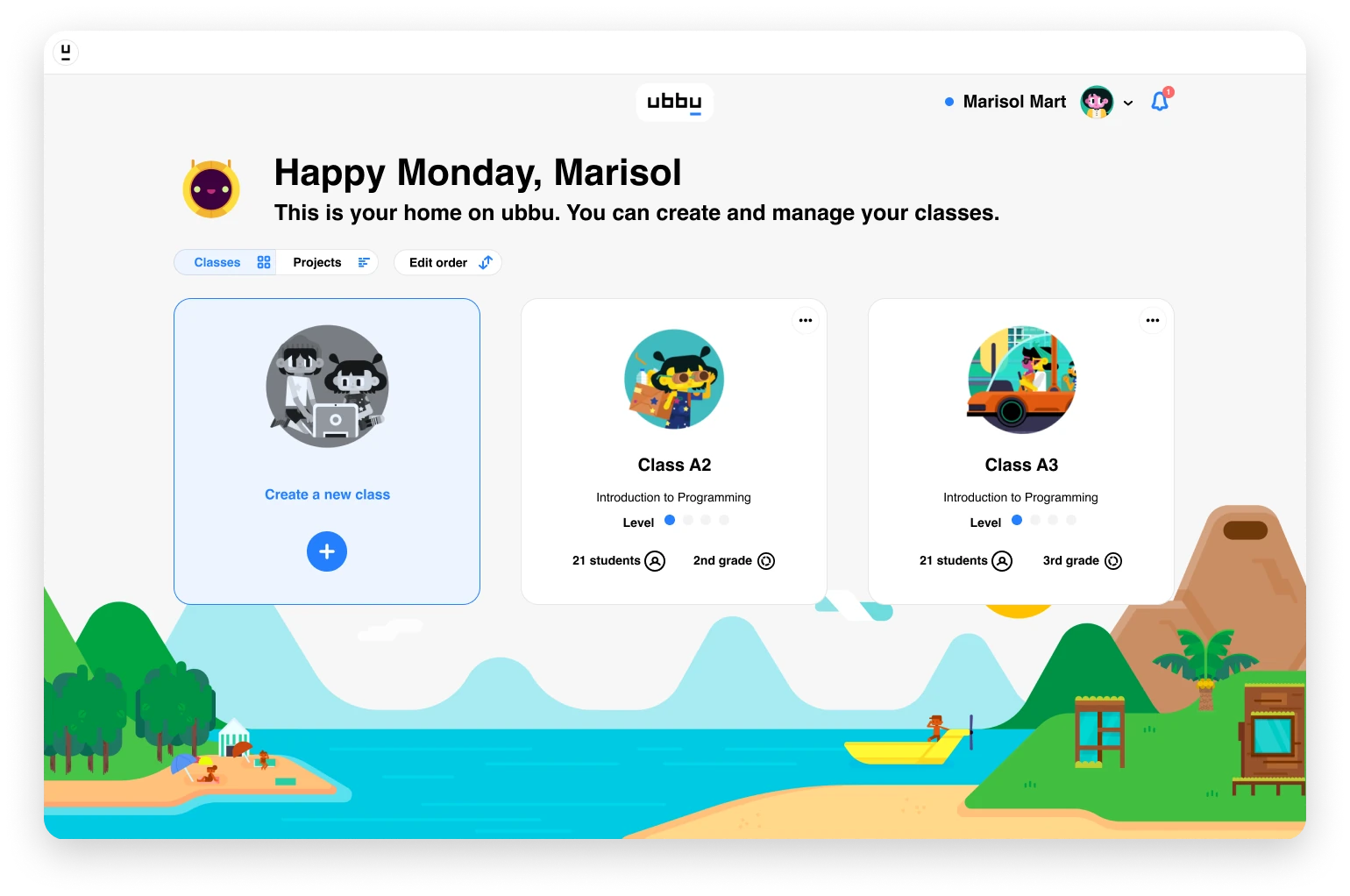
ubbu is a computer-science curriculum platform for primary schools, designed with the help of educators for teachers of any subject.
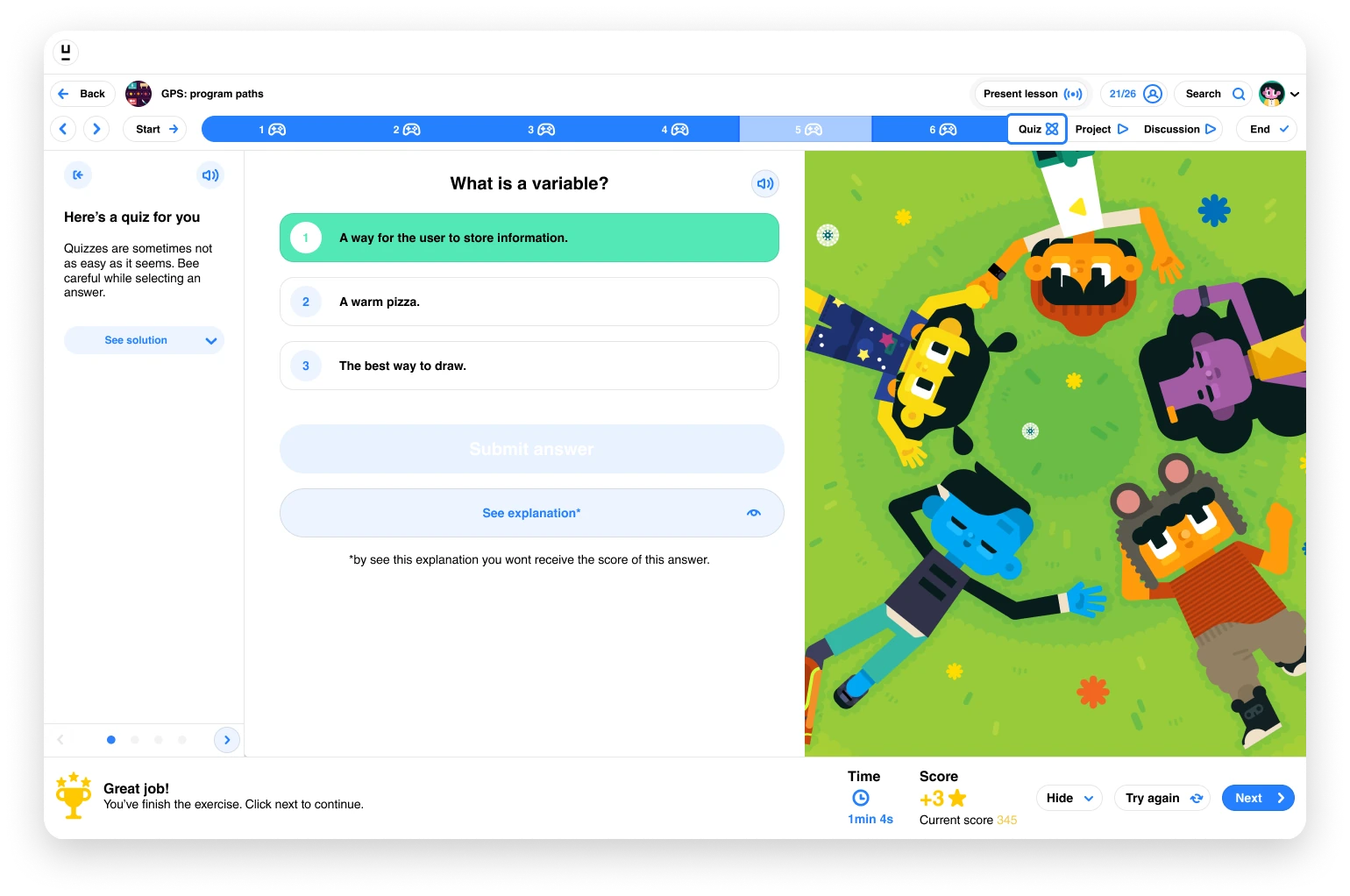
ubbu lets its users log in as a team. It also benefits the kids themselves, who pick up important social skills from the group exercises.
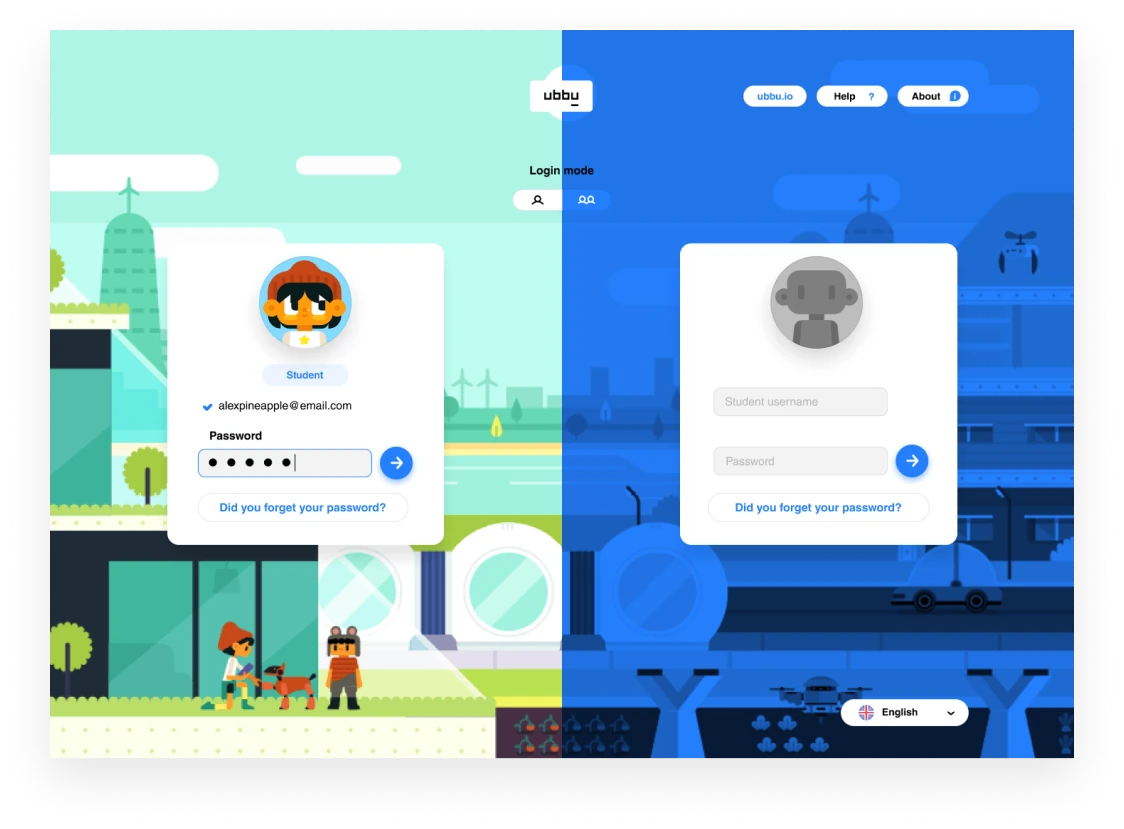
As important as the team login, ubbu was also designed for both online and offline environments. Not every school was connected, so teachers needed solutions that worked offline.
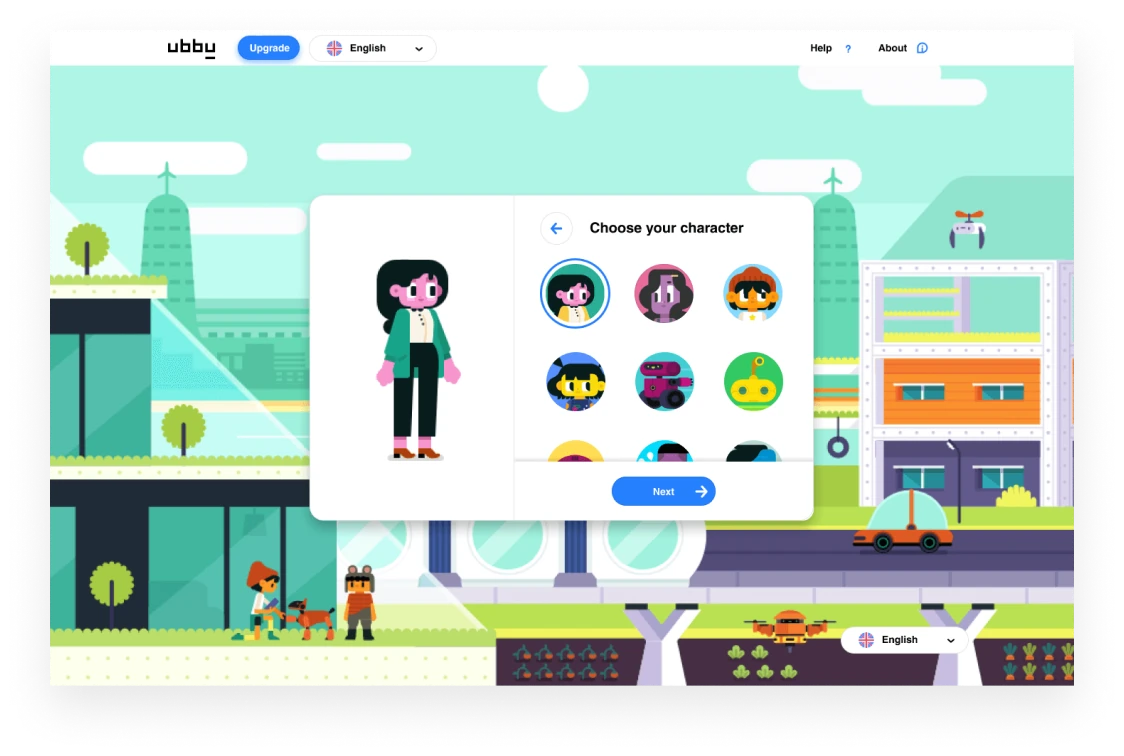
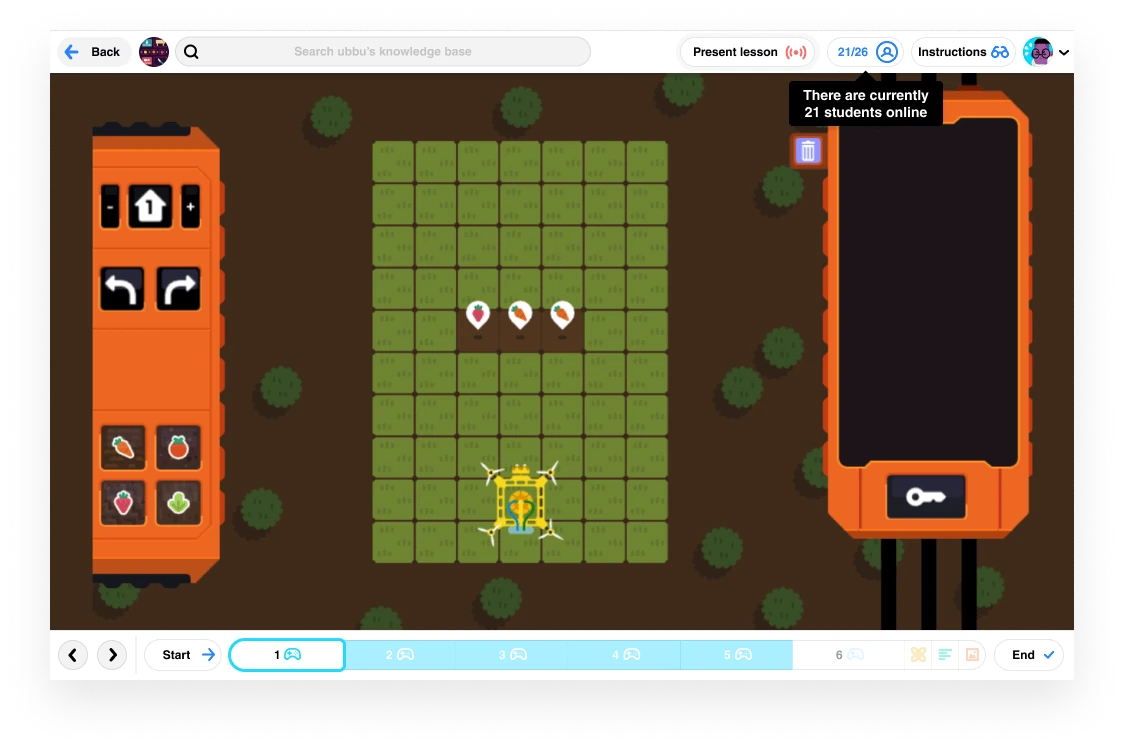
Inside ubbu, there's a curriculum of games and videos, all designed by ubbu's own content team.
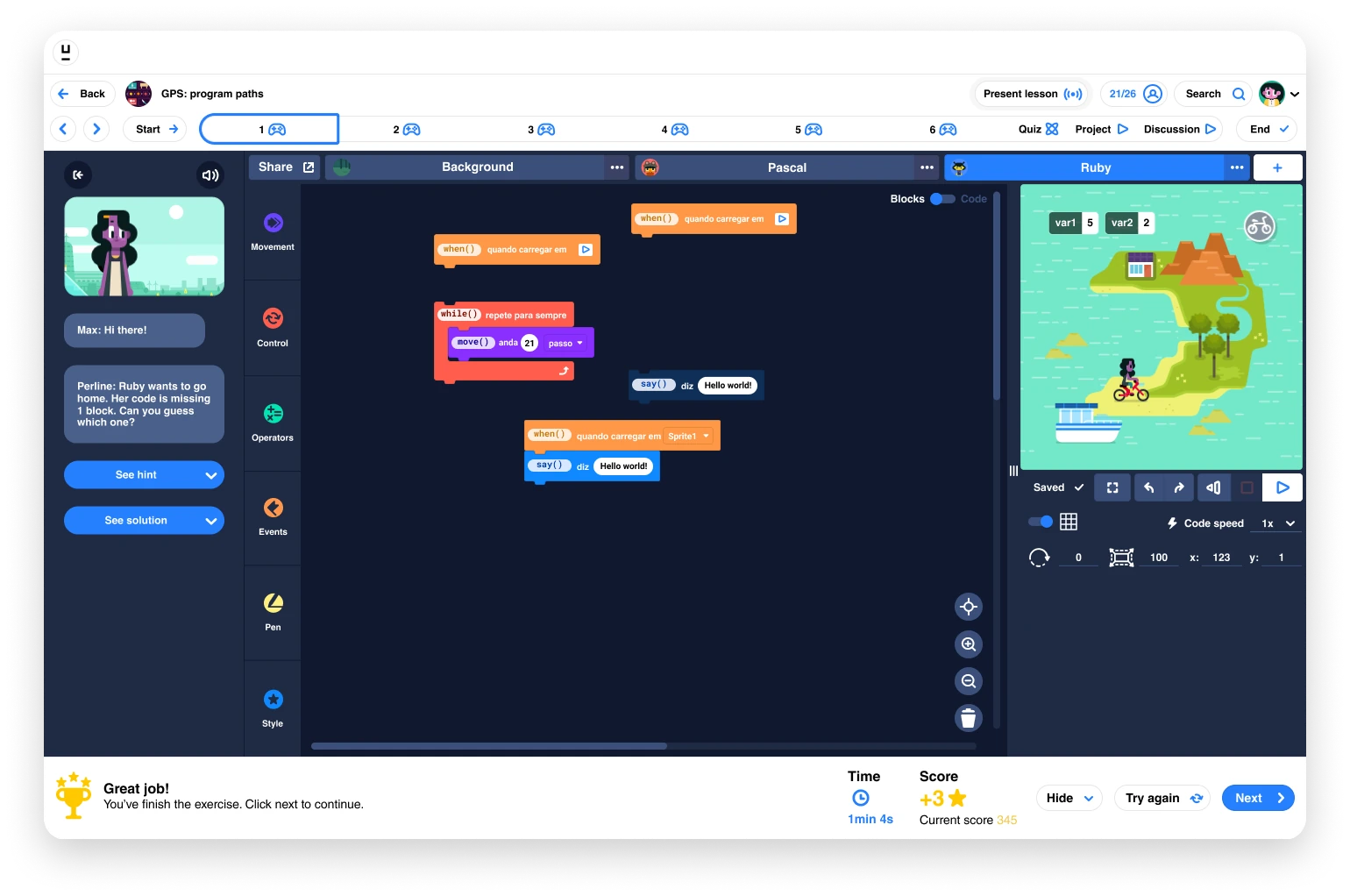
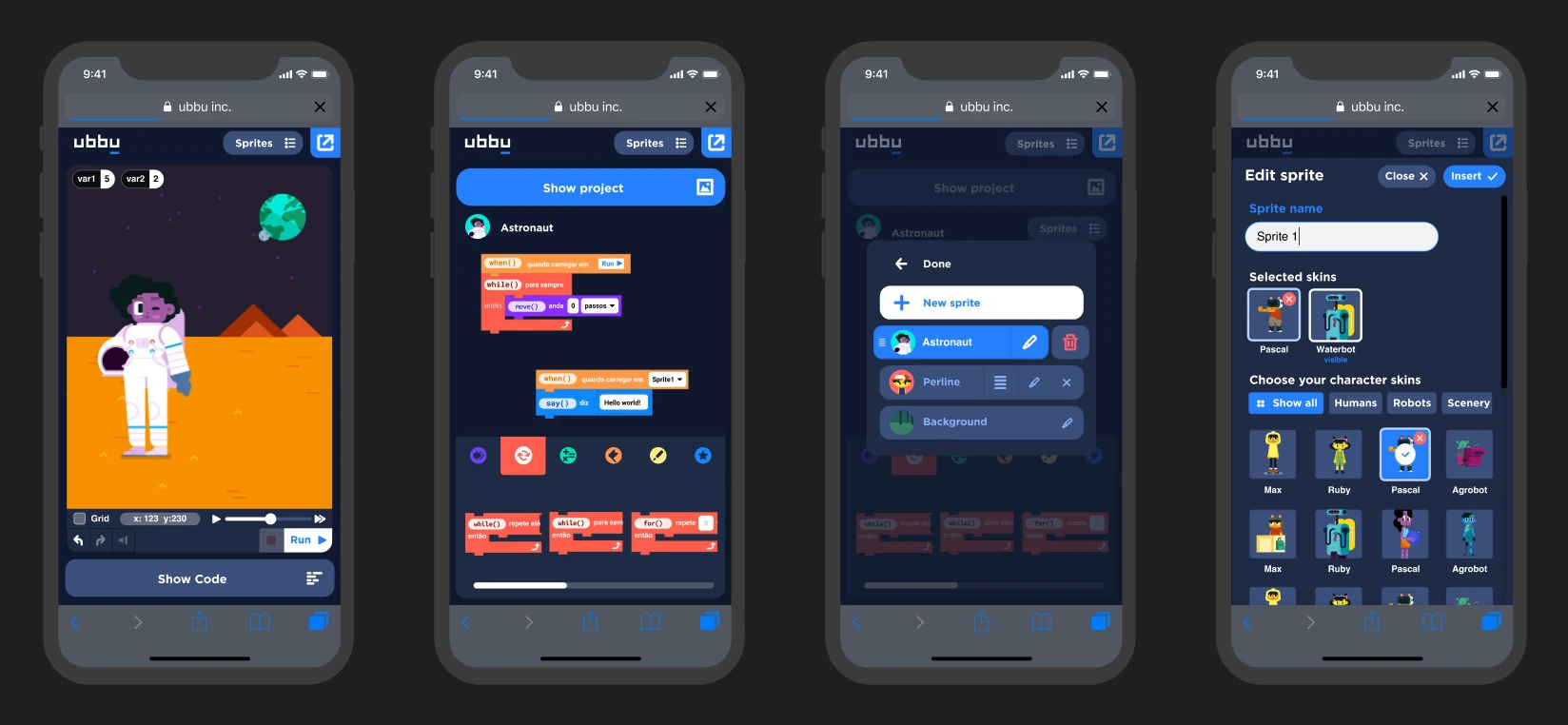
At the end of the learning curve, ubbu has its own block coding tool: ubbox. With it, kids can create code projects and share them with their peers.
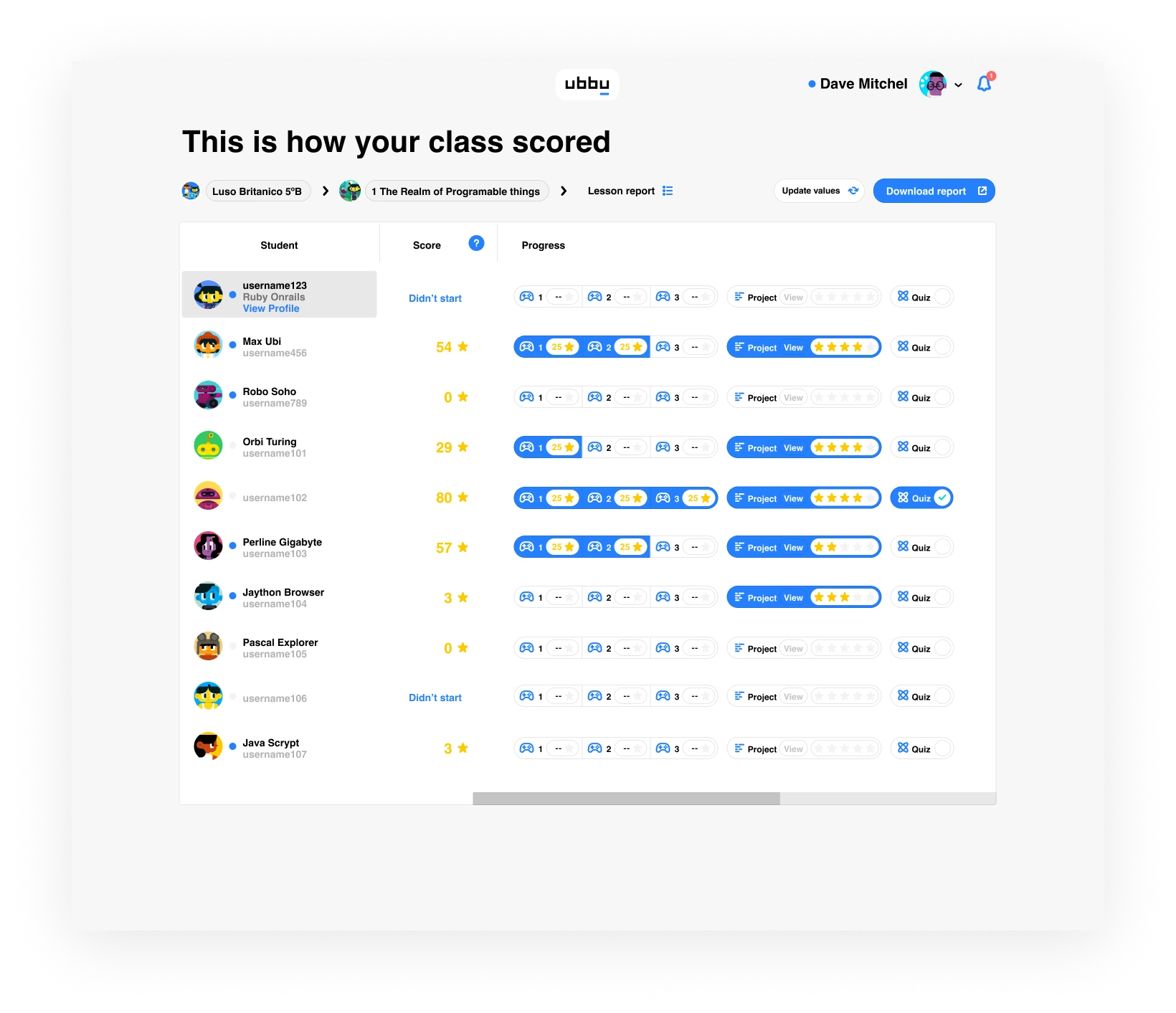
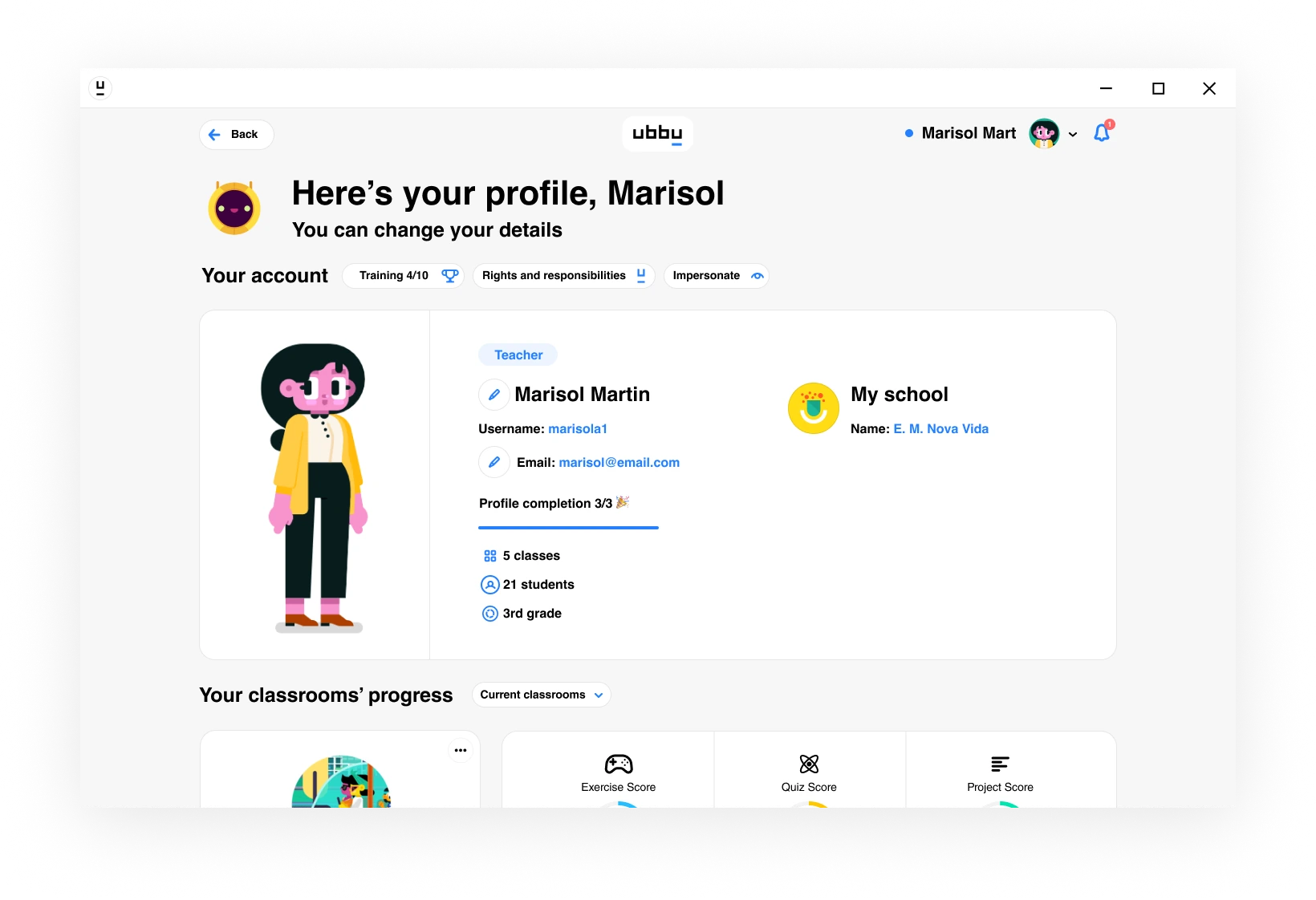
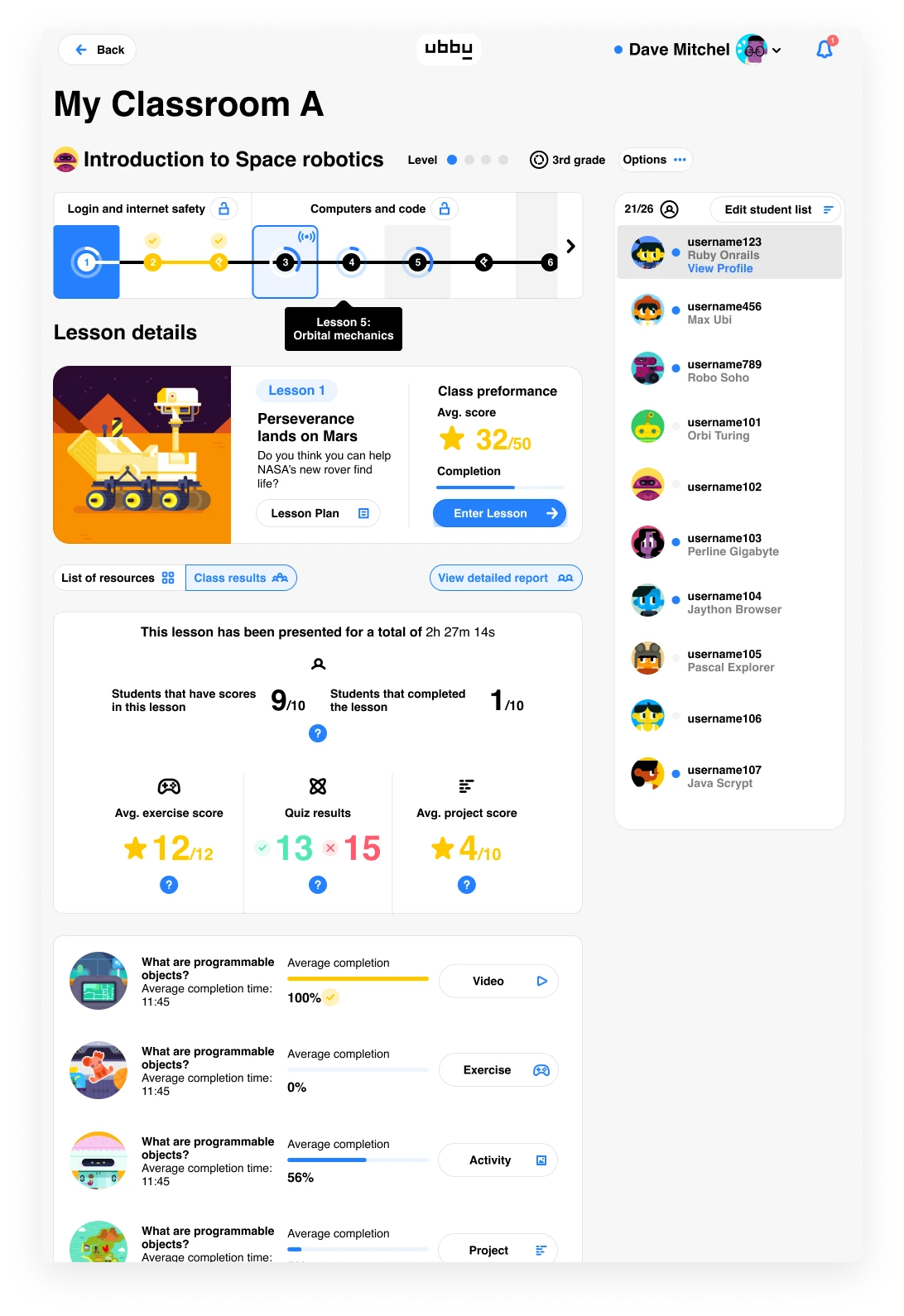
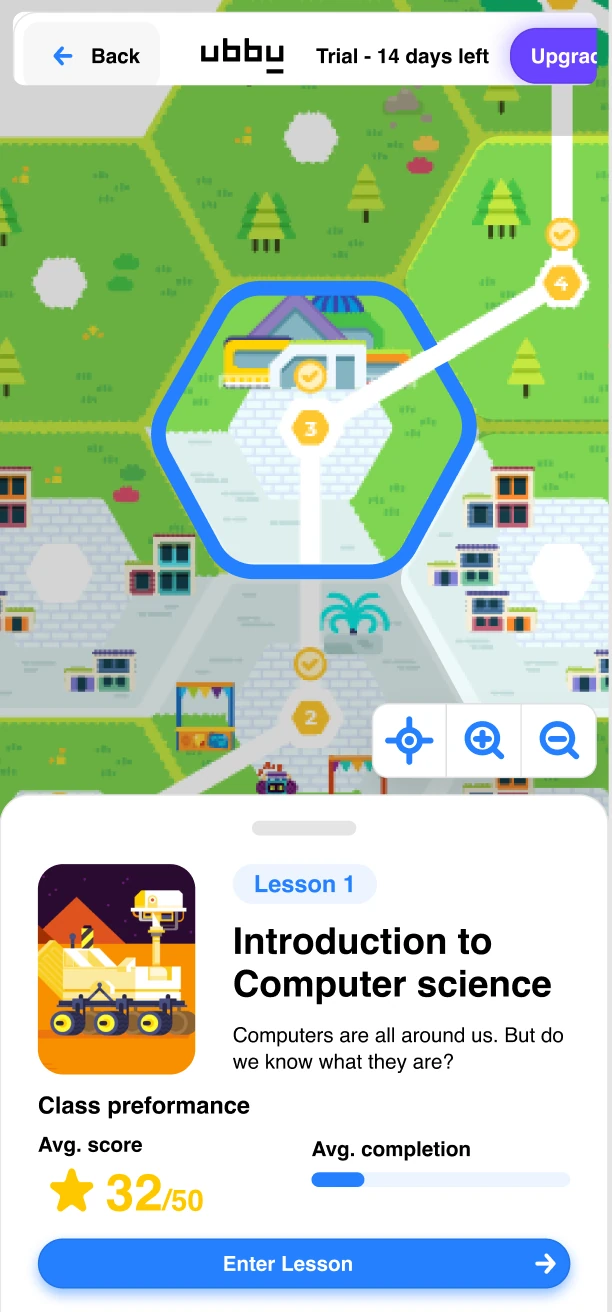
ubbu guides the teacher through the curriculum and gives analytics on the class's progress.
Mobile experience
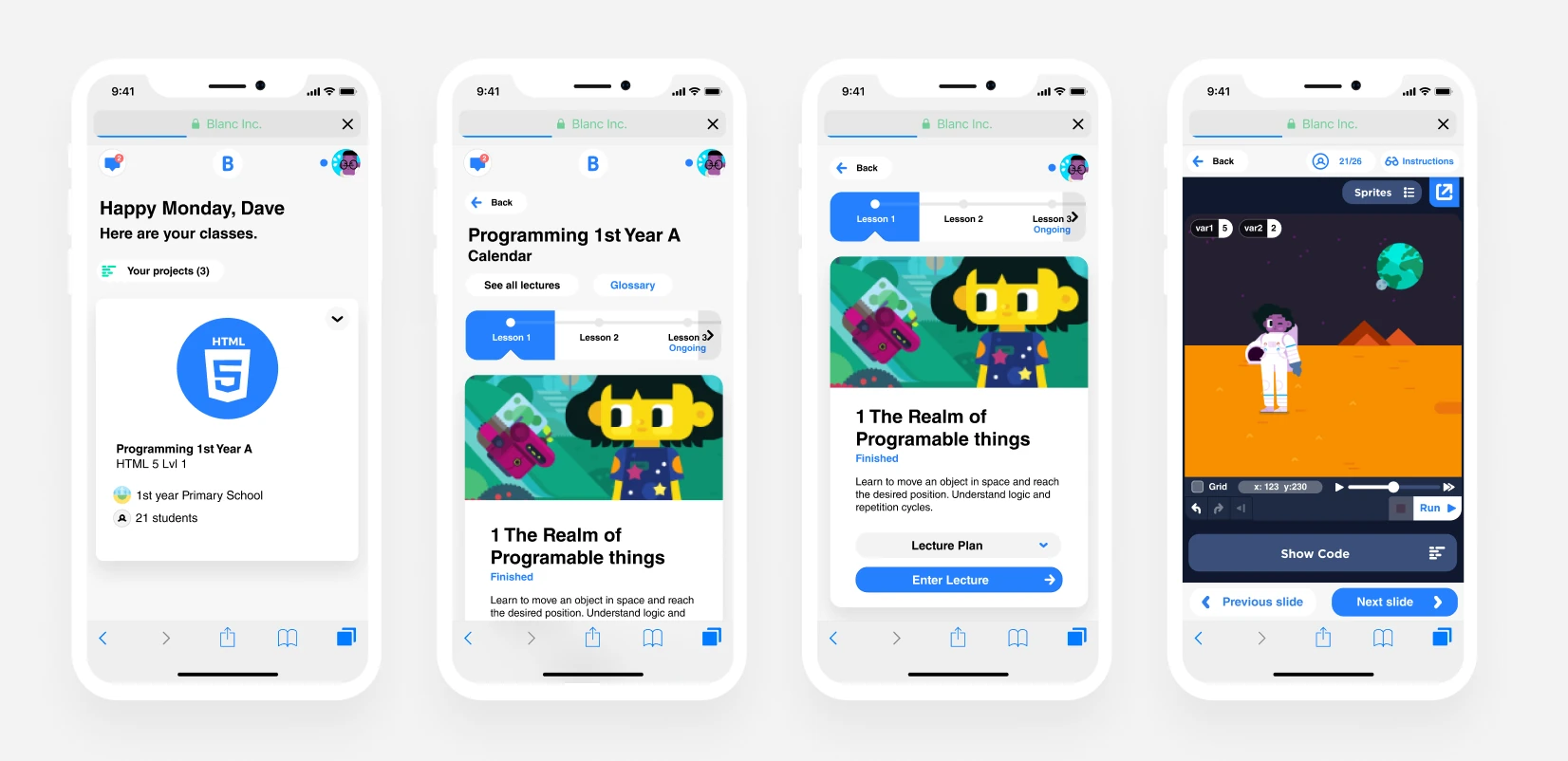
Throughout the years of growing ubbu, mobile grew in importance.
Advanced content navigation
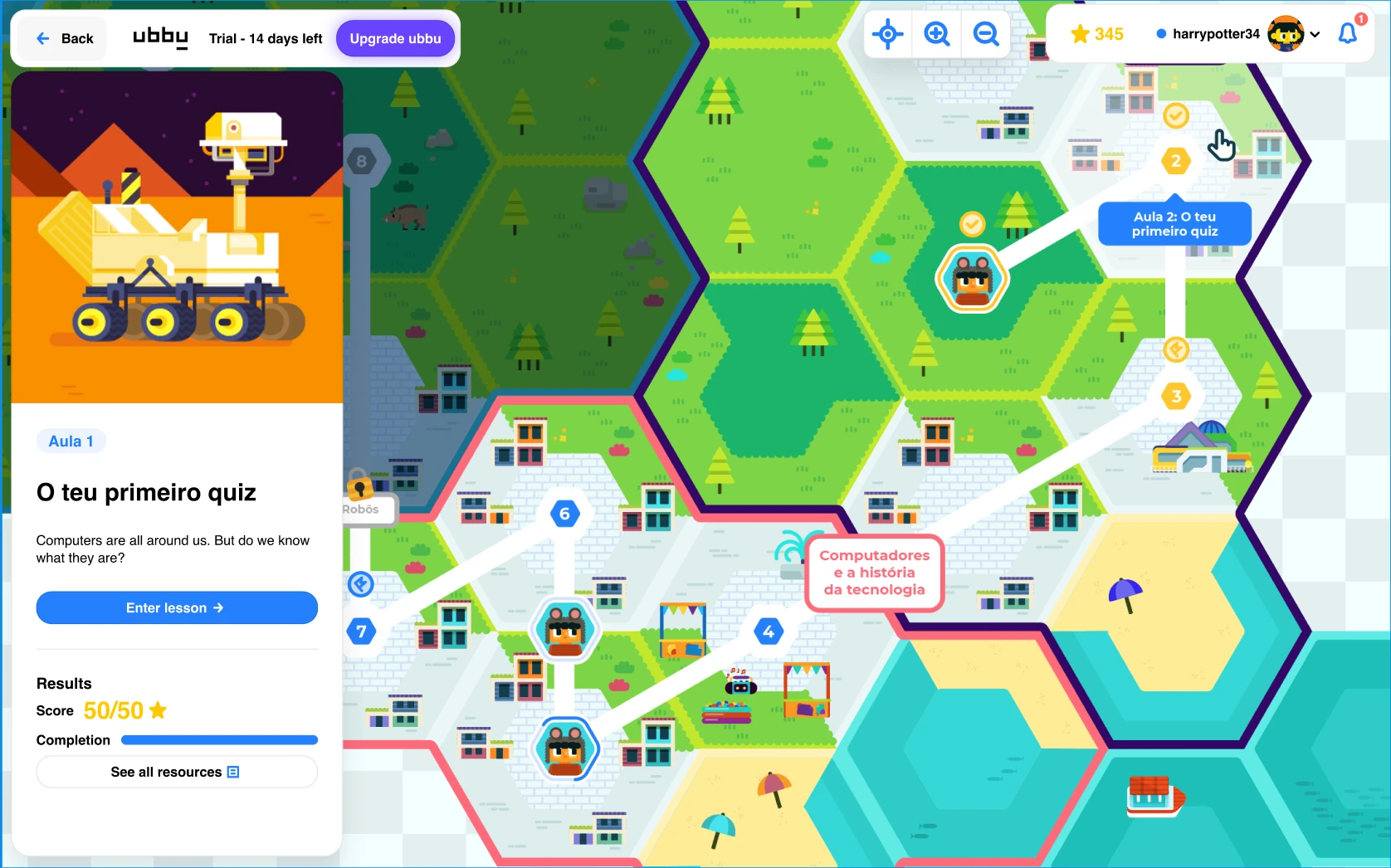
ubbu’s main user, the student, was the focus of the design. Many design experiments set out to increase engagement and lesson-to-lesson navigation.
Here’s one of the broader experiments: UbbuWorld, an immersive experience where the user controls a character hopping between coding challenges, science lessons, and code project builds.
This design was preliminary.
Website design
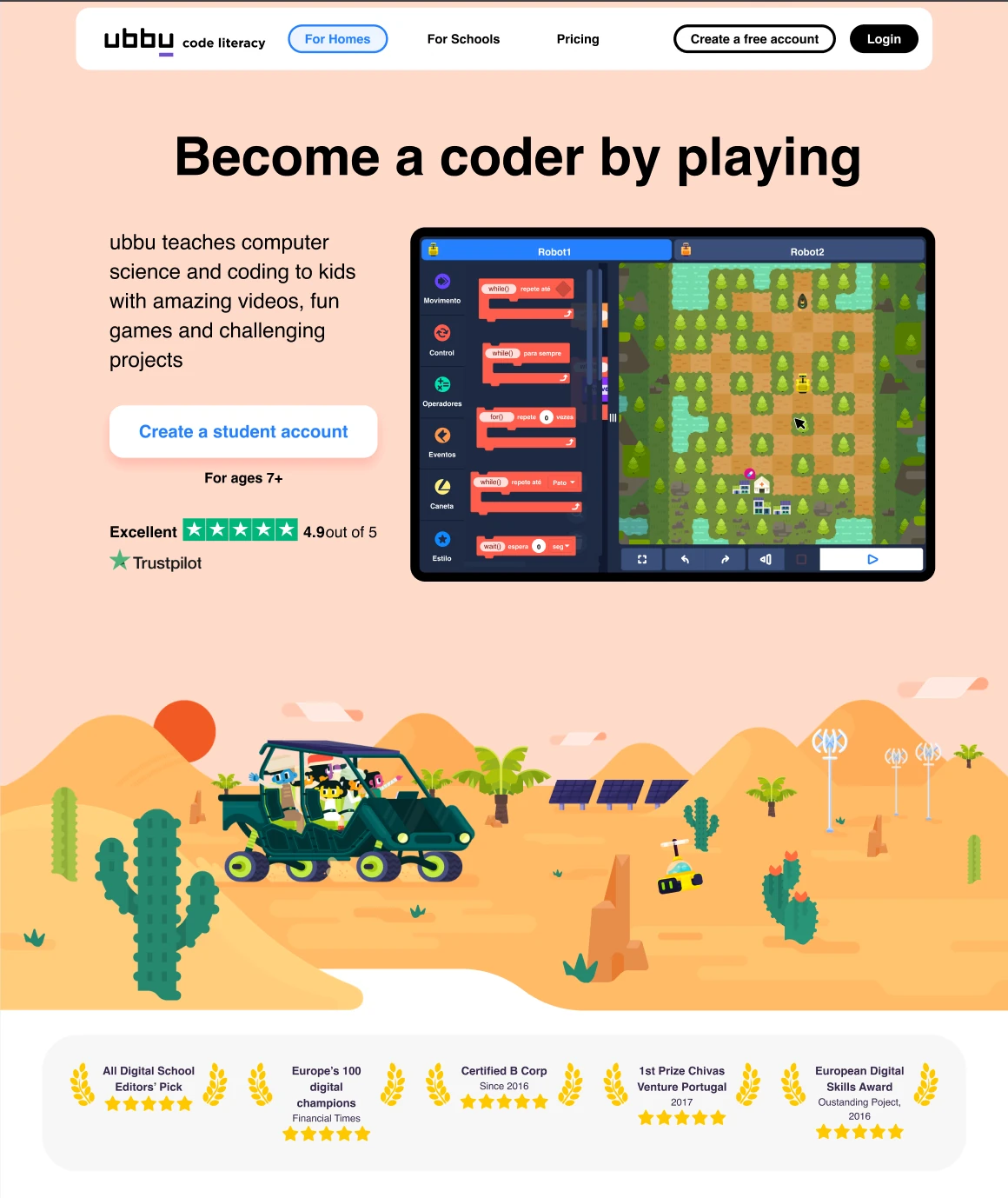
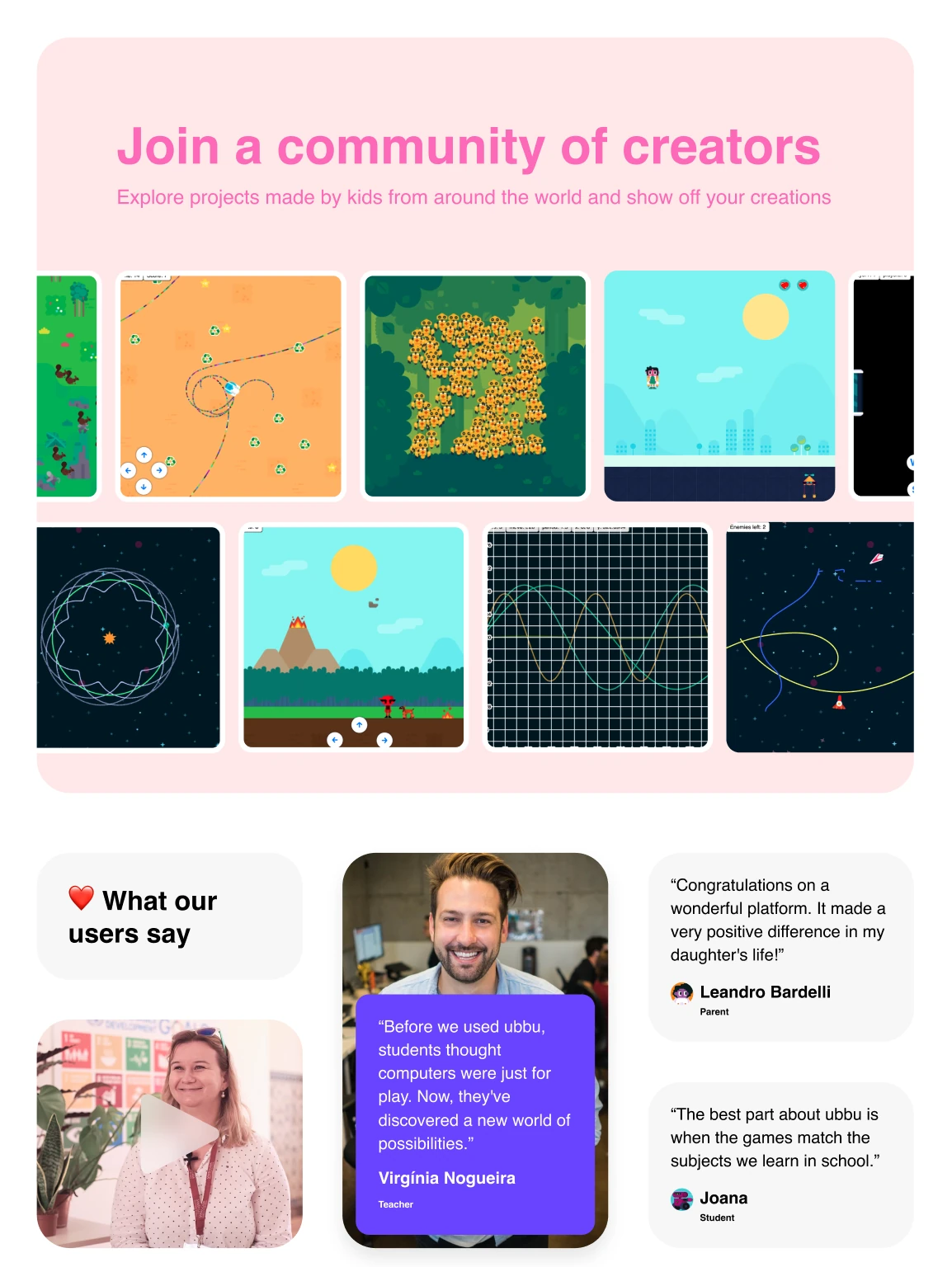
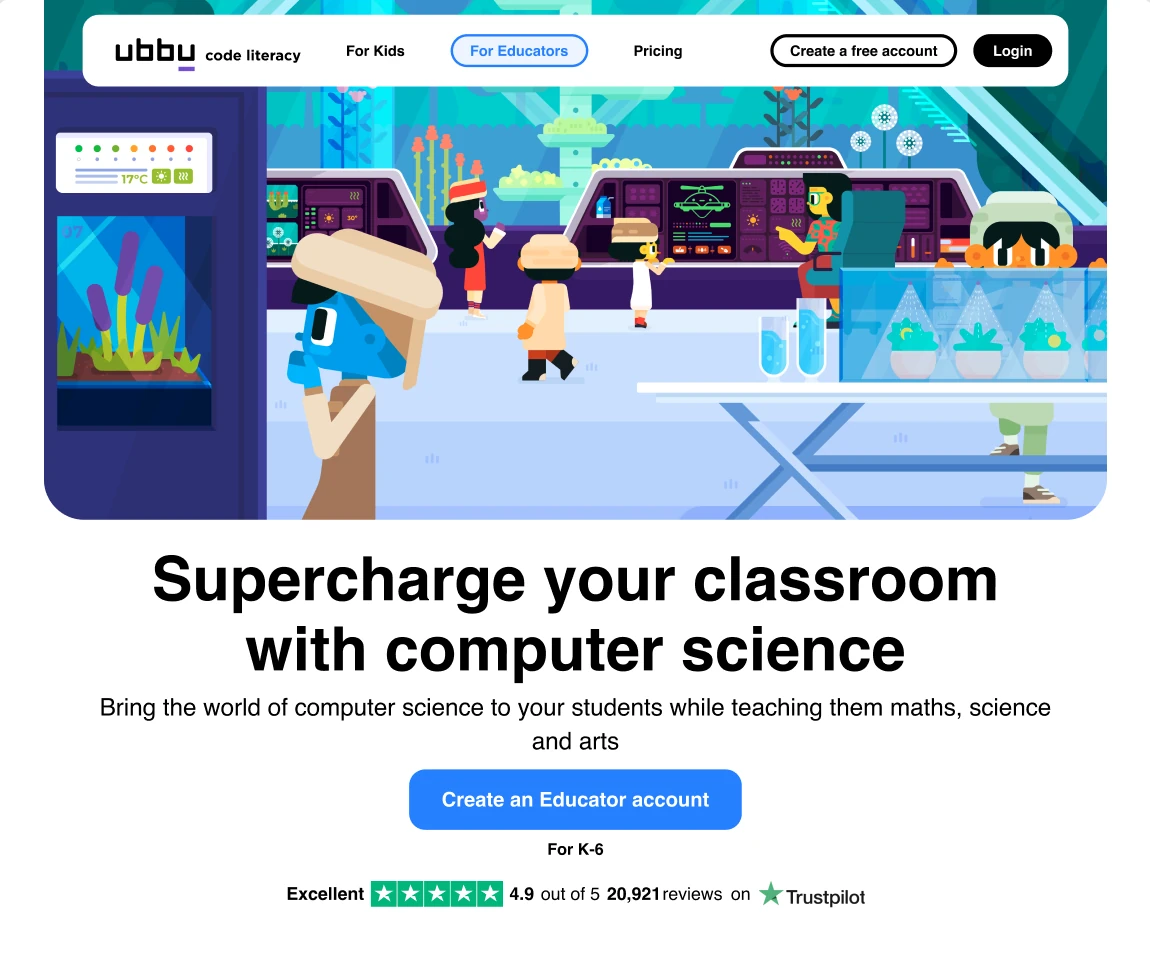
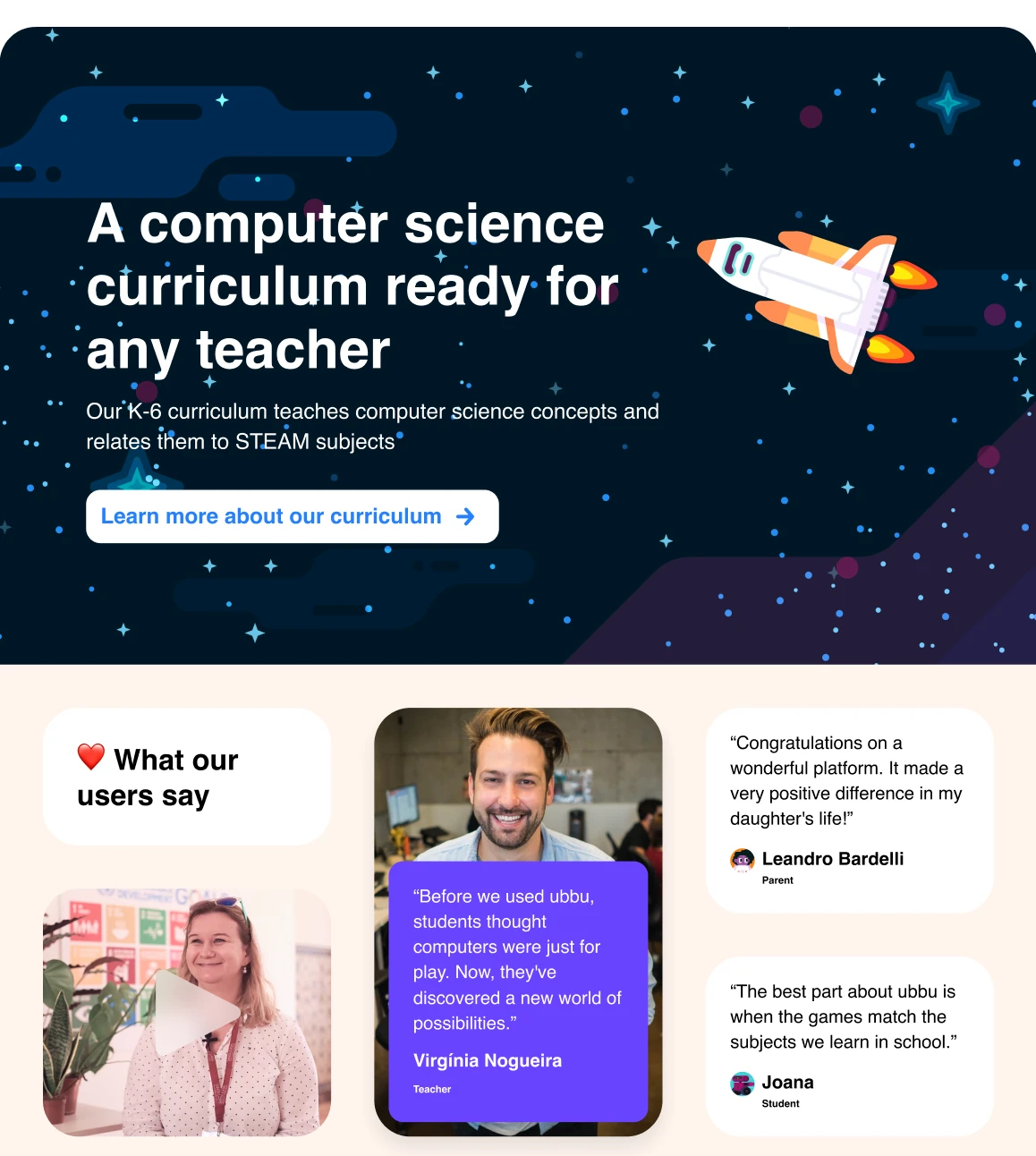
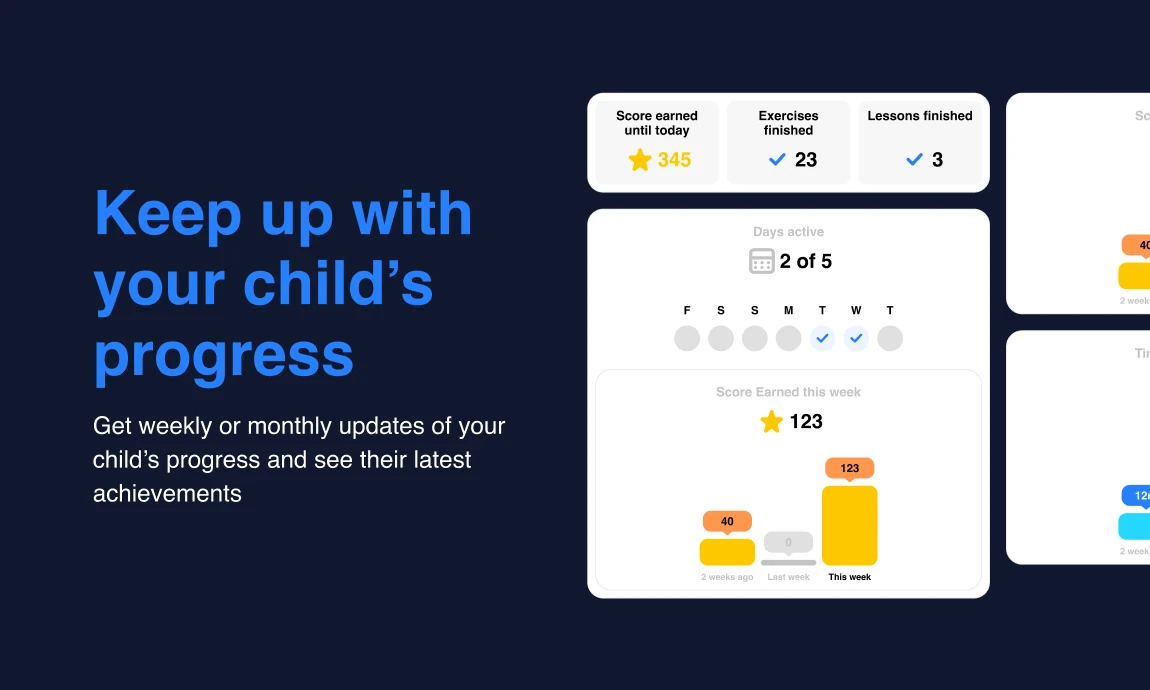
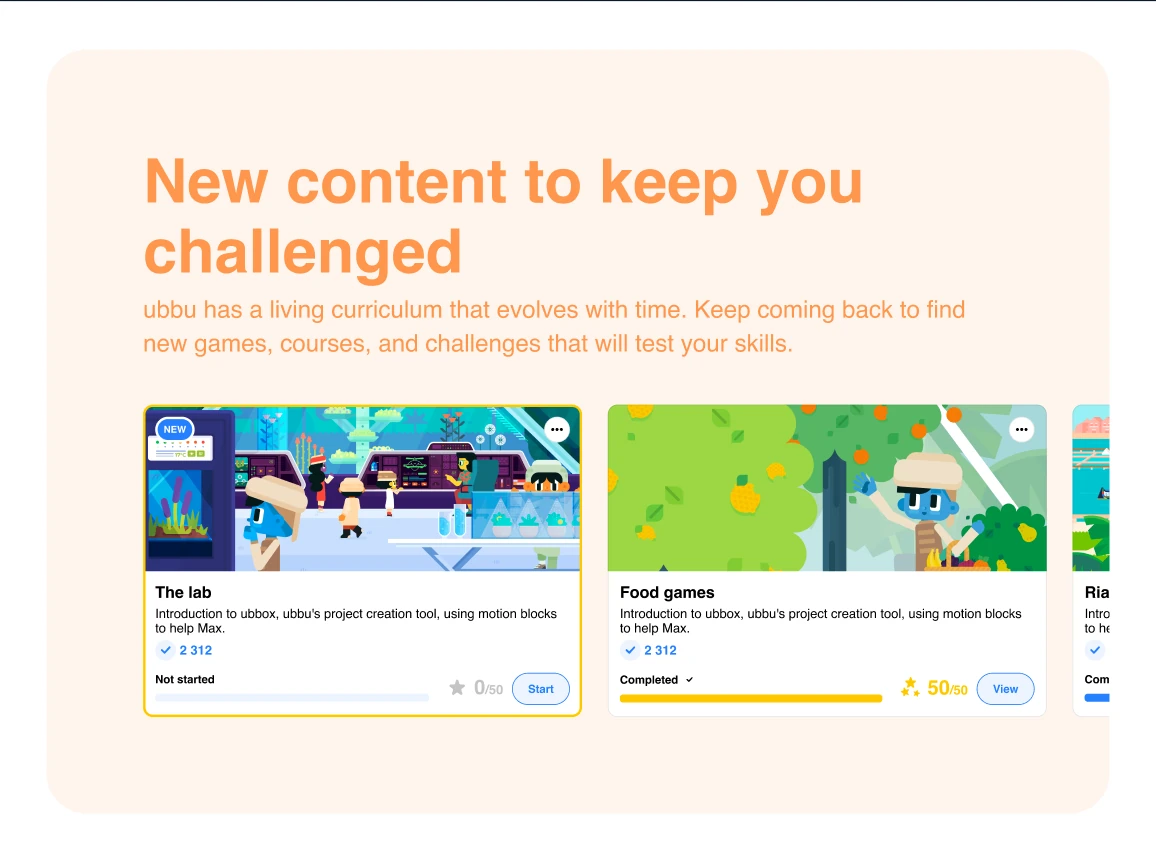
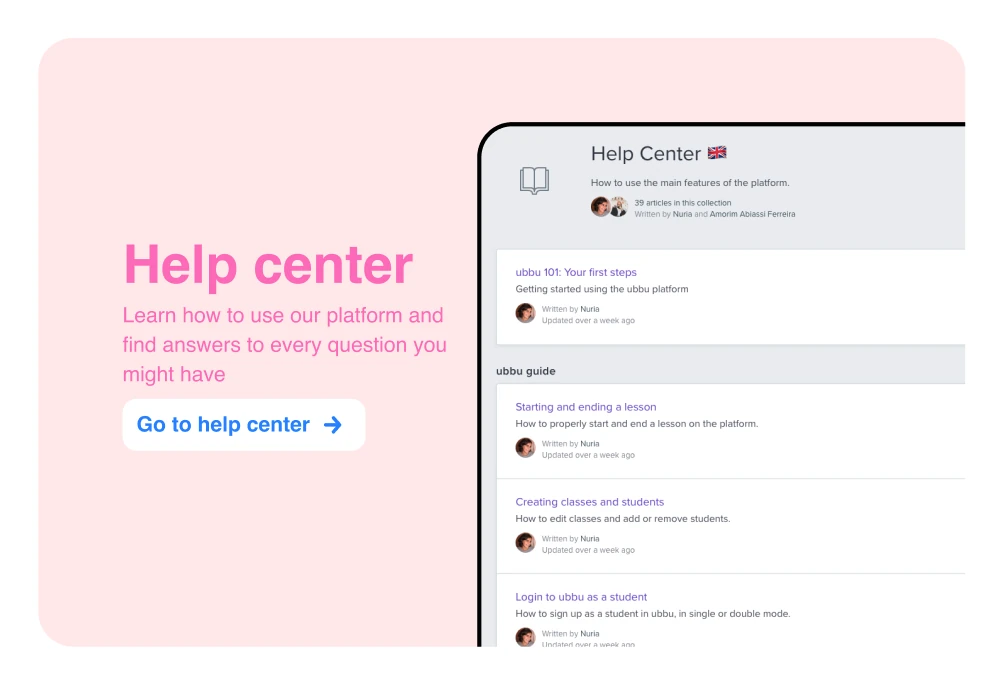
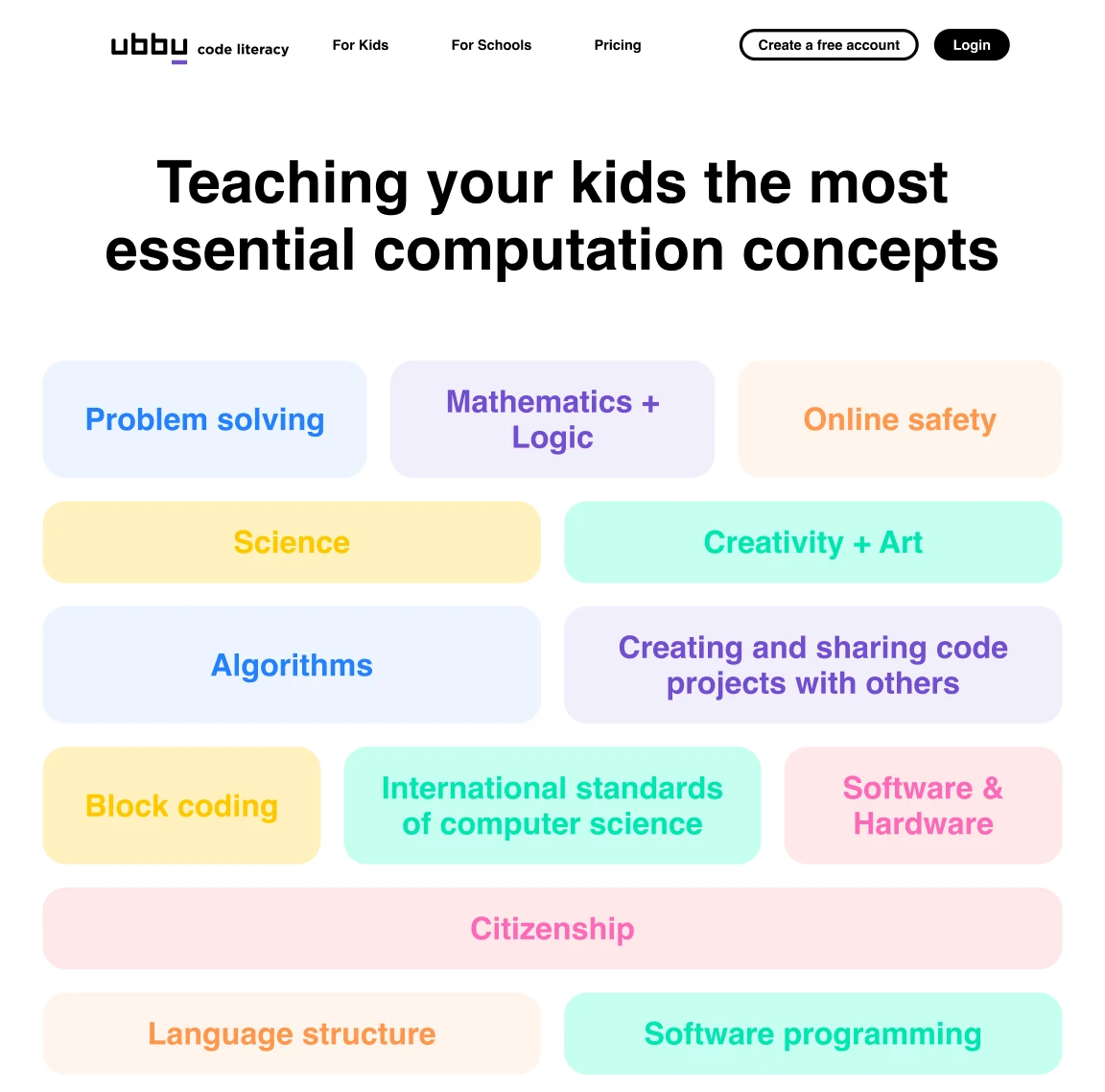
ubbu’s website went through many iterations, as it had to convince kids that it was fun, parents of the educational value of the platform and its method, and, above all, teachers and educators that the program was easy to implement.
Branding and logo design
ubbu’s branding was hard to get right.
Together with the identity crisis of the parent company, there was a problem of trying to speak to many audiences simultaneously.
One of the methods to validate the brand was to ask children of a few nationalities to try to pronounce a few words. ubbu stood out as an easy name to say.
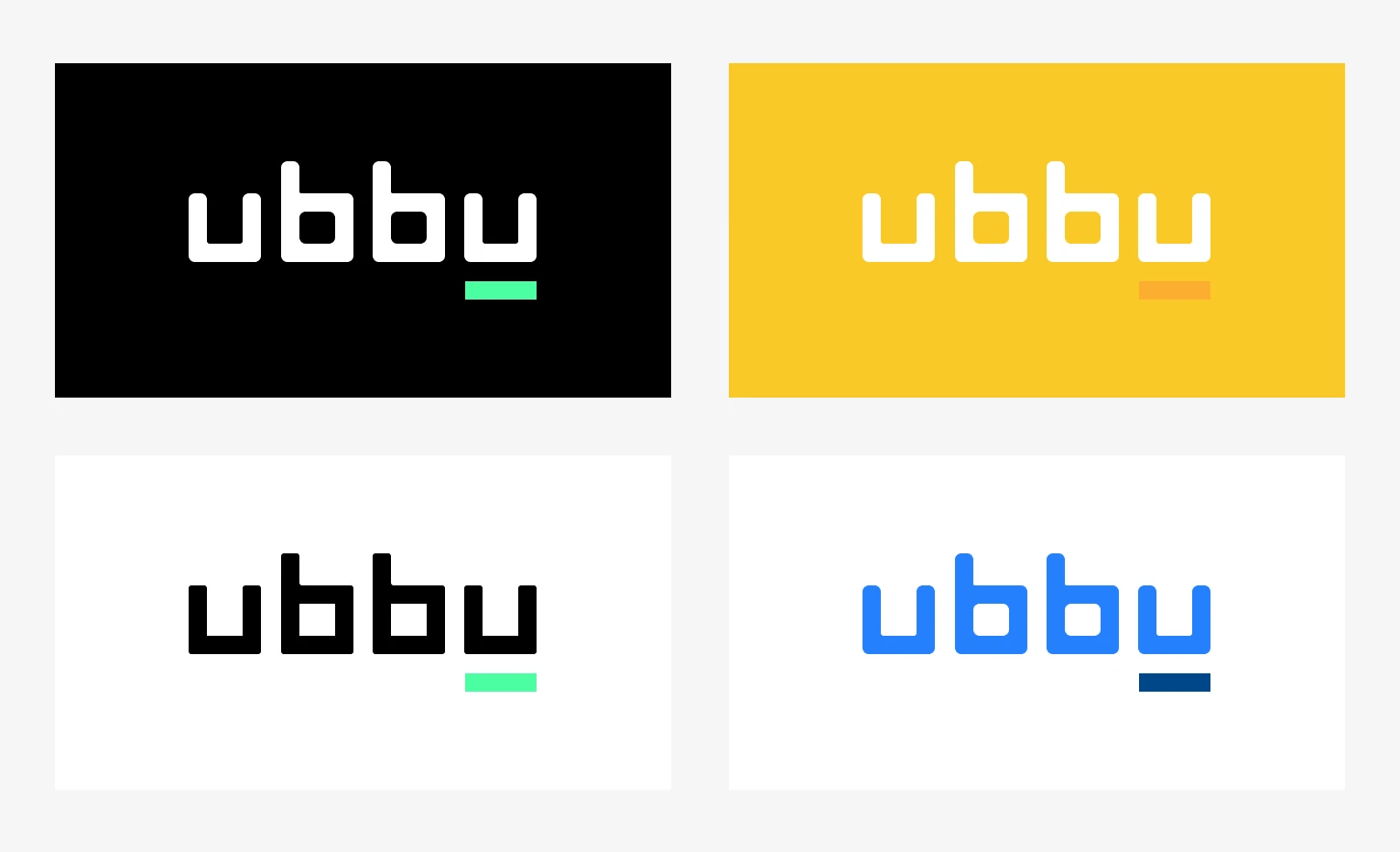
The logo is the name in lowercase, drawn in square letterforms with rounded corners and a short bar under the last u.
The colours were chosen to echo the traditional hues of programming environments, like the old monitor terminals.
Media
An interview on ubbu’s founding history aired on RTP’s Network Negócios, in an episode on how technology is being used to teach in Portugal. Episode 19, “Ubbu, The Inventors e Teckies”, aired on 18 December 2020: watch it on RTP Play (in Portuguese).